


Chronic intake of systemic drugs and impact on the healing of endodontic pathologies
Lara Figini
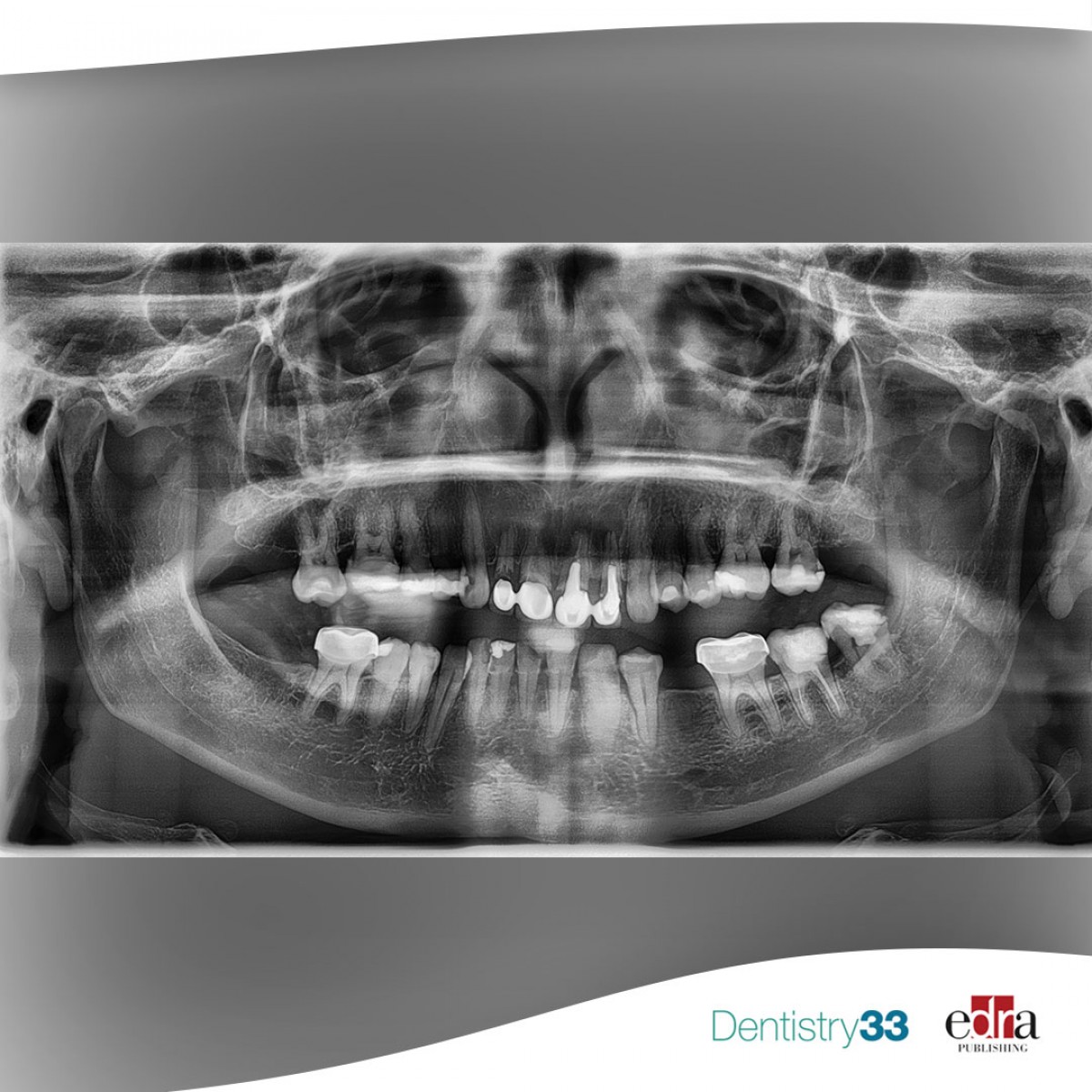
The association between systemic health and the pathogenesis or healing of endodontic disease has gained much attention over the past two decades.
Several literature studies have documented this correlation especially in cases of chronic diseases such as diabetes mellitus (DM), cardiovascular disease (CVD), kidney disease, gastrointestinal disease and rheumatoid arthritis.
Recent systematic reviews have recognized the relationship between endodontic success and various systemic diseases, including DM, CVD, human immunodeficiency virus infection and drugs such as oral bisphosphonate (BP). Studies have also confirmed the possible influence of DM and CVD on the outcome of endodontically treated teeth.
Most patients who have these diseases are treated for these and other conditions with potent drugs that have important biological functions, including anti-inflammatory, antimicrobial and osteoconductive functions, relevant functions in the pathogenesis or healing of pulpitis and apical periodontitis (AP).
Materials and methods
In a systematic review published in the Journal of Endodontics in October 2022, the authors evaluated the relationship between the chronic intake of systemic drugs and the incidence, prevalence or recovery of endodontic pathologies. The authors conducted a comprehensive literature review using the MEDLINE electronic databases Ovid, Scopus, Embase, Cochrane and PubMed. The team also conducted a manual search and extracted articles based on the inclusion criteria.
Results
Researchers identified a total of 2,470 primary screened articles and selected 12 studies to include in the final review. Selected studies included nine cohort or cross-sectional studies and three case-control studies with mostly low to moderate overall risk of bias.
Some drugs have been associated with an increase or decrease in the prevalence of apical periodontitis, while others have been associated with an incidence of pulp calcification or cervical root resorption.
The endodontic effects of some categories of drugs found by the authors based on the data obtained from this review are listed below.
- Statins: shown to decrease the prevalence of PsA, improve healing of PsA and increase calcifications in the vital pulp.
- BM-monoclonal antibodies against RANKL: give an increase in the prevalence of AP (not significant).
- BM-monoclonal antibodies against TNF-alpha: give improved healing of AP.
- Metformin: decreases the prevalence of AP.
- Bisphosphonates: damage decrease in the prevalence of A.
- Antiresorptive drugs-denosumab: damage increased prevalence of cervical root resorption.
- Glucocorticoids: damage increased prevalence of PsA and an increase in calcifications in the vital pulp (not significant).
Conclusions
From the data of this review, researchers concluded that systemic drugs taken chronically can affect the prevalence or recovery of endodontic diseases and conditions, but the level of evidence is still scarce. This justifies the need for future longitudinal clinical trials on the role of chronic systemic drugs as well as drug control when studying systemic diseases.
For more information: "Association of Chronic Systemic Medications with the Incidence, Prevalence, or Healing of Endodontic Disease: A Systematic Review."
 Related articles
Endodontics 17 May 2023
A retrospective study on endodontic treatment outcomes in patients with special needs
This study evaluated the periapical healing and tooth survival in patients with special needs who had permanent teeth endodontically treated in a hospital setting between 1998 to 2019.

The association between systemic diseases (cardiovascular diseases, diabetes mellitus (DM), rheumatoid arthritis, metabolic syndrome...) and periodontits has been widely investigated. However,...
Oral Hygiene & Prevention 21 January 2026
The effectiveness of mouthwash on orthodontic and prosthetic complications: a systematic review

The present study aimed to determine the effectiveness of mouthwashes on the complications of orthodontic treatments and dental prostheses, in addition to filling research gaps, to identify and...
Orthodontics 12 November 2025
Effectiveness of dental monitoring system in orthodontics: A systematic review
Dental monitoring (DM) constitutes a recent technological advance for the remote monitoring of patients undergoing an orthodontic therapy.

A systematic review was conducted to examine the evidence for the effectiveness and safety of corticotomy-facilitated orthodontics.
Read more

Continuous innovation across the DEXIS ecosystem helps clinicians work with greater clarity, confidence, and efficiency
News 23 October 2026

CrownPoint Partners announced the successful closing of a $9.2 million, five-property dental sale-leaseback portfolio located throughout Michigan.
News 23 October 2026
Dentsply Sirona, Midwest Dental Expand Technology Relationship

Beginning November 1, Dentsply Sirona will expand its long-standing relationship with Midwest Dental Equipment & Supply beyond consumables to include its complete technology portfo
Editorials 23 October 2026
Honoring Excellence: Graduation Awards for CU Anschutz Dental Students and Faculty

As the University of Colorado Anschutz School of Dental Medicine celebrates the graduating DDS Class of 2025, we are proud to recognize the students and faculty members whose excep
Implantology 23 October 2026
This peer-reviewed implantology article summarizes clinical evidence from Clinical oral implants research (2026). It focuses on findings that may help dental professionals evaluate treatment...



Copyright © 2026 - All Rights Reserved
ISSN 2767-1178