


Corticotomies and orthodontic tooth movement: a systematic review

Purpose
A systematic review was conducted to examine the evidence for the effectiveness and safety of corticotomy-facilitated orthodontics.
Materials and Methods
Electronic databases (Ovid Medline, EMBASE, Cochrane, SCOPUS, and Web of Science) were searched for articles that examined the rate of corticotomy-facilitated orthodontic tooth movement and its effects on the periodontium, root resorption, and tooth vitality. Unpublished literature was searched electronically through ClinicalTrials.gov (http://www.clinicaltrials.gov) and the ISRCTN registry (http://www.controlled-trials.com). Relevant orthodontic journals and reference lists also were checked for eligible studies. Randomized clinical trials (RCTs) and controlled clinical trials (CCTs) were considered. Two article reviewers independently assessed the search results, screened the relevant articles, performed data extraction, and evaluated the methodologic quality of the studies.
Results
Fourteen eligible articles (6 RCTs and 8 CCTs) were included in the review. There was a statistically meaningful increase in the rate of tooth movement compared with controls for all corticotomy techniques assessed. Some studies reported that acceleration in tooth movement was only temporary (lasting a few months). Corticotomy procedures did not seem to produce unwanted adverse effects on the periodontium, root resorption, and tooth vitality. The quality of the body of evidence was regarded as low owing to the presence of multiple methodologic issues, high risks of bias, and heterogeneity in the included articles.
Conclusion
Corticotomy procedures can produce statistically and clinically meaningful temporary increases in the rate of orthodontic tooth movement with minimal side-effects. Additional high-quality randomized clinical trials are needed to allow more definitive conclusions.
Authors: Braydon M. Patterson, M. Ali Darendeliler, Alexandra K. Papadopoulou
Source: https://www.sciencedirect.com/
 Related articles
Orthodontics 24 February 2026
The Potential Use of Pharmacological Agents to Modulate Orthodontic Tooth Movement (OTM)
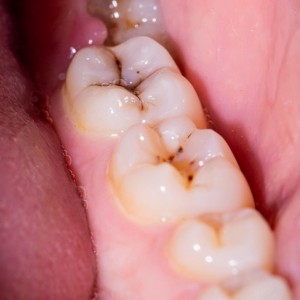
The biological processes that come into play during orthodontic tooth movement (OTM) have been shown to be influenced by a variety of pharmacological agents.
Endodontics 10 September 2023
Regenerated treated incisors subjected to orthodontic movement

With an increasing number of anterior traumatized teeth treated with regenerative endodontic procedures nowadays, orthodontic movement of such teeth is expected to become a common scenario in...
One of the problems that orthodontists commonly face is the prolonged duration of the treatment. Therefore, it is important to find an effective method to increase the rate of orthodontic tooth...
Orthodontics 27 December 2022
Study: InBrace is first orthodontic system to achieve tooth movement on autopilot

“Orthodontics on autopilot through digital customization and Programmed Non-Sliding Mechanics” was published online Nov. 8 and appears in the December...
Prosthodontics 01 October 2022
Pilot study: 24 months in vivo wear of enamel antagonists to lithium disilicate implant crowns

To evaluate whether there is a significant difference between the ratio of wear of lithium disilicate implant crowns and their enamel antagonists and adjacent enamel or enamel antagonist contacts.
Read more

Jen Kim Field, chief sustainability officer at Henry Schein and president of the Henry Schein Cares Foundation, answers questions for Dentistry Today about the group’s achievements
News 12 October 2026
The education-first program offered learning for the entire dental practice, with practical insights spanning the full patient journey and focused on improving workflows, collabora
News 12 October 2026
AAO and Stand for the Silent Unite Communities This Month to Shine a Light on Bullying Prevention
Editorials 12 October 2026
Expanded coverage: Texas A&M’s Plemons named 2026 Texas Dentist of the Year

Sometimes a small act of generosity can make a tremendous impression, especially on a 7-year-old.
Endodontics 12 October 2026
This peer-reviewed endodontics article summarizes clinical evidence from Journal of dentistry (2026). It focuses on findings that may help dental professionals evaluate treatment decisions, patient...



Copyright © 2026 - All Rights Reserved
ISSN 2767-1178