


Postoperative pain after pulpotomy versus pulpectomy of primary molars with symptomatic irreversible pulpitis: an equivalent randomized clinical trial.
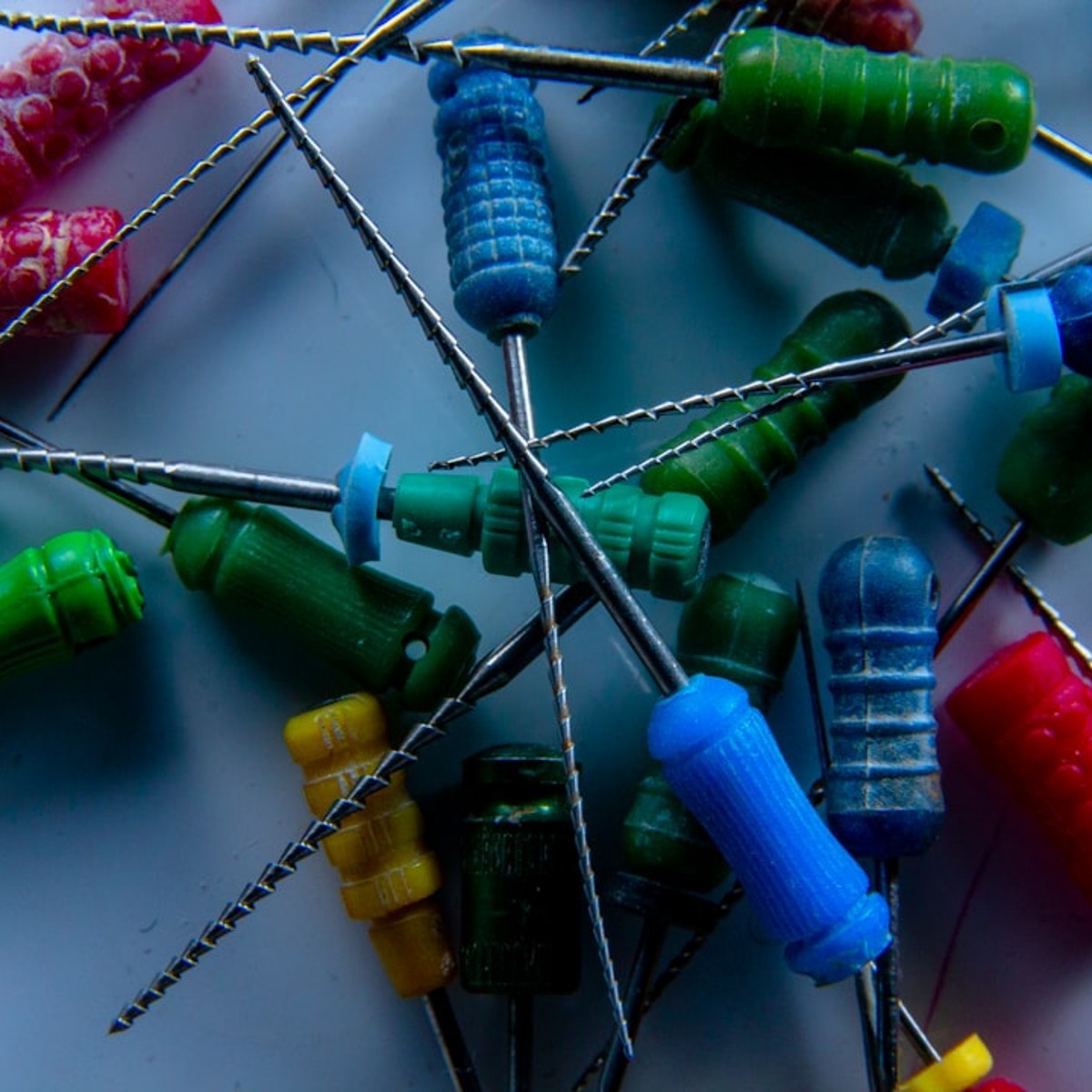
This peer-reviewed endodontics article summarizes clinical evidence from BMC oral health (2026). It focuses on findings that may help dental professionals evaluate treatment decisions, patient outcomes, or clinical protocols.
Abstract
OBJECTIVES: The study aimed to compare the incidence of postoperative pain after pulpotomy versus pulpectomy of primary molars with symptomatic irreversible pulpitis (SIP).
MATERIALS AND METHODS: An equivalent parallel, two-tailed randomized controlled trial was conducted involving 92 children aged 5 to 7 years presenting with carious mandibular second primary molars exhibiting signs of SIP. Participants were randomly assigned to two equal groups of 46 children each, with the affected mandibular second primary molars treated using either pulpotomy as the intervention or pulpectomy as the control treatment. The postoperative severity of pain was determined at 6, 12, 24, 48, 72 h and after one-week following treatment using a modified Wong-Baker FACES (WBF) pain scale. Considering an equivalence margin of 10% between the two endodontic techniques, the absolute risk difference (ARD) was calculated at a 90% confidence interval. The level of significance was set to < 5%.
RESULTS: After six hours, 65.2% of pulpotomy and 73.9% of pulpectomy patients reported no pain. At 24 and 48 h, pain absence was comparable between groups (73.9% vs. 78.3%). However, by one week, 8.7% of pulpotomy patients still experienced severe pain versus 2.2% in pulpectomy. The incidence of postoperative pain severity after either pulpotomy or pulpectomy was equivalent with no significant difference over the follow-up periods.
CONCLUSIONS: Pulpotomy could be an alternative approach to treat primary molars with SIP when hemostasis can be achieved.
CLINICAL RELEVANCE: Postoperative pain intensity is a critical factor in assessing the success of endodontic treatment, especially in children. Pulpotomy can be a suitable and less invasive endodontic treatment for primary teeth with SIP.
SUPPLEMENTARY INFORMATION: The online version contains supplementary material available at 10.1186/s12903-026-08329-z.
Key takeaway
Key takeaway: Because the evidence comes from a clinical trial design, the findings may be especially useful when comparing treatment approaches in daily practice.
Introduction from full text
The main objective of pulp treatment is to maintain the health and integrity of the oral tissues. Early loss of primary teeth leads to malocclusion and esthetic, phonetic, and functional problems (Evangelista et al., 2022 ).
Root canal treatment is indicated in primary teeth that show symptoms of irreversible pulpitis, but it is a challenge, time‐consuming, and expensive, in addition to the fact that it requires definitely positive cooperation from the children, as their behavior can affect the treatment results positively or negatively. (Alzoubi et al., 2021 ; Fuks et al., 2019 ).
The dissection of the molar root canals increases complications, which may lead to tooth extraction. Excellent skills are required to perform endodontic treatment, taking into account possible damage to the permanent tooth bud during treatment due to the files used or filling materials (Pinheiro et al., 2012 ).
Vital pulp therapy using biocompatibility materials is an option as an alternative to pulpectomy in cases of irreversible pulpitis, where studies have shown a weak correlation between the histological status of the pulp and the symptoms that the patient complains about (Ricucci et al., 2019 ).
Use of biocompatibility materials has led to a high success rate in cases of irreversible pulpitis, such as mineral trioxides, as it was applied in many studies on permanent molars of patients with irreversible pulpitis (Koli et al., 2021 ; Qudeimat et al., 2017 ).
Mineral Trioxide Aggregate (MTA) and Bioceramic were presented as alternative biocompatibility materials in primary molar pulpotomy, as use of these materials showed a high success rate (Hegde & Naik, 2005 ; Lei et al., 2019 ).
In 2007, a group of Canadian researchers introduced a ready‐to‐use, no‐mix Bioceramic based on calcium silicate. This material is available in three forms: Bioceramic Root Repair Material Putty (BC RRM Putty, fast set putty), BC RRM Past (Bioceramic Root Repair material, a syringable paste), and BC Sealer (Bioceramic sealer) (Xavier et al., 2019 ).
Bioceramic consists of Tricalcium silicate, Dicalcium silicate, zirconium oxide, tantalum pentoxide, and Calcium phosphate monobasic as well as filler and thickening agents (Debelian & Trope, 2016 ).
The histological pulp structure of primary teeth is similar to that of permanent ones (Fuks et al., 2016 ), where many studies revealed the occurrence of the same vascular/immune responses in both primary and permanent teeth when their pulp tissue was exposed to bacterial invasion because of caries (Rodd & Boissonade, 2005 , 2006 ).
Several studies have evaluated the efficacy of biocompatibility materials in primary molar pulpotomy with irreversible pulpitis (Asgary et al., 2021 ; Memarpour et al., 2016 ), but no study has evaluated the efficacy of both MTA and BC putty in such cases.
Therefore, the main aim of this study was to evaluate the success rate of pulpotomies on primary molars with irreversible pulpitis and the secondary aim was to compare the effectiveness of MTA and BC putty.
Peer-reviewed source
Dania Ibrahem Sermani, Mahmoud Ahmed Abdelmotelb, Ahmad Abdel Hamid Elheeny
BMC oral health. 2026
DOI: 10.1002/cre2.700
PMID: 42035058
PubMed: https://pubmed.ncbi.nlm.nih.gov/42035058/
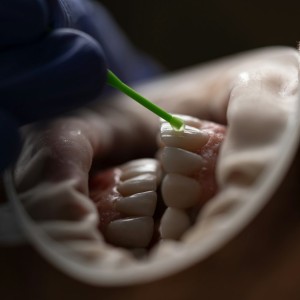
Image: Ozkan Guner (Unsplash)
 Related articles
Endodontics 19 October 2026
This peer-reviewed endodontics article summarizes clinical evidence from International endodontic journal (2026). It focuses on findings that may help dental professionals evaluate treatment...
Endodontics 19 October 2026
This peer-reviewed endodontics article summarizes clinical evidence from BMC oral health (2026). It focuses on findings that may help dental professionals evaluate treatment decisions, patient...
Endodontics 12 October 2026
This peer-reviewed endodontics article summarizes clinical evidence from Journal of dentistry (2026). It focuses on findings that may help dental professionals evaluate treatment decisions, patient...
Endodontics 05 October 2026
This peer-reviewed endodontics article summarizes clinical evidence from Journal of dentistry (2026). It focuses on findings that may help dental professionals evaluate treatment decisions, patient...
Endodontics 01 October 2026
This peer-reviewed endodontics article summarizes clinical evidence from International endodontic journal (2026). It focuses on findings that may help dental professionals evaluate treatment...
Read more
News 19 October 2026

Milestone achieved approximately two years after full commercial launch reflects growing surgeon adoption and expanding use of EnFix across orthopedic sports medicine applications.
Editorials 19 October 2026
Expanded coverage: Texas A&M’s Plemons named 2026 Texas Dentist of the Year

Sometimes a small act of generosity can make a tremendous impression, especially on a 7-year-old.
Endodontics 19 October 2026
This peer-reviewed endodontics article summarizes clinical evidence from International endodontic journal (2026). It focuses on findings that may help dental professionals evaluate treatment...
Endodontics 19 October 2026
This peer-reviewed endodontics article summarizes clinical evidence from BMC oral health (2026). It focuses on findings that may help dental professionals evaluate treatment decisions, patient...
Products 19 October 2026




Copyright © 2026 - All Rights Reserved
ISSN 2767-1178