


A retrospective study on endodontic treatment outcomes in patients with special needs

Introduction
Outcomes of endodontic treatment in patients with special needs are not fully understood, leading to reluctance in performing endodontic treatment.
Methods
This retrospective cohort study evaluated the periapical healing and tooth survival in patients with special needs who had permanent teeth endodontically treated in a hospital setting between 1998 to 2019. Data characterization was performed using univariate analyses. Logistic and Cox regression analyses (P<0.05) were performed to identify the odds ratio (OR) and hazard ratio (HR) of the potential prognostic factors, respectively. These predictors were chosen from previous outcome studies in the general population and patients with special needs.
Results
61 patients (108 teeth) met the inclusion criteria. Most common treatment modality was initial therapy with 81.5% of cases being managed without a need for general anesthesia. Healing rate for initial endodontic treatment was 89.9% and was affected by no restoration at follow-up (OR=0.15, 95%CI:0.12, 0.71, P=0.02). After a mean follow up of 79.36±59.6 months, the survival rate was 73% and was correlated with gender (HR for males = 0.3; 95% CI, 0.1-0.6; P <0.05) and age (HR for patients >45 years = 3.7; 95% CI, 1.7-8.2; P<0.05). The most common reason for tooth extraction was unrestorable tooth fracture.
Conclusions
Endodontic therapy without a need for general anesthesia is a viable treatment option for patients with special needs. If the overall patient condition permits, then treatment can be administered by community dentists rather than waiting for a patient to be seen in a hospital setting.
C. Williams-Beecher. "A Retrospective Study on Endodontic Treatment Outcomes in Patients with Special Needs." Journal of Endodontics. 8 May 2023. DOI: https://doi.org/10.1016/j.joen.2023.04.013
 Related articles
Products 28 September 2026

(“Sonendo” or the “Company”), a leading dental technology company and developer of the GentleWave® System, today announced that more than two million patients have now been treated
News 07 August 2026
National trauma data show Medicaid coverage rose from 16% to 24% after ACA implementation, while self-pay cases declined, suggesting broader insurance access for patients needing u

Your website is your virtual storefront and, more often than not, a patient’s first impression of your practice.
Oral surgery 10 April 2026
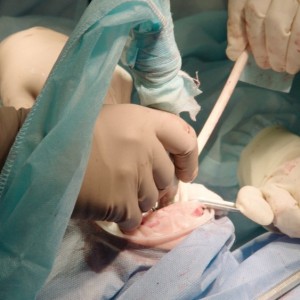
A systematic literature search in MEDLINE, Embase, and the Guideline websites, from October 2007 to October 2012, produced articles that were critically evaluated.

The American Dental Association (ADA) recently commended Rep. Jeff Van Drew (R-NJ) and Rep. Herb Conaway (D-NJ), for introducing the Improving Dental Administration (IDA) Act to ensure that the more...
Read more
Continuous innovation across the DEXIS ecosystem helps clinicians work with greater clarity, confidence, and efficiency
News 23 October 2026
CrownPoint Partners announced the successful closing of a $9.2 million, five-property dental sale-leaseback portfolio located throughout Michigan.
News 23 October 2026
Dentsply Sirona, Midwest Dental Expand Technology Relationship
Beginning November 1, Dentsply Sirona will expand its long-standing relationship with Midwest Dental Equipment & Supply beyond consumables to include its complete technology portfo
Editorials 23 October 2026
Honoring Excellence: Graduation Awards for CU Anschutz Dental Students and Faculty

As the University of Colorado Anschutz School of Dental Medicine celebrates the graduating DDS Class of 2025, we are proud to recognize the students and faculty members whose excep
Implantology 23 October 2026
This peer-reviewed implantology article summarizes clinical evidence from Clinical oral implants research (2026). It focuses on findings that may help dental professionals evaluate treatment...


Copyright © 2026 - All Rights Reserved
ISSN 2767-1178