


Effectiveness of dental monitoring system in orthodontics: A systematic review
Background
Dental monitoring (DM) constitutes a recent technological advance for the remote monitoring of patients undergoing an orthodontic therapy. Especially in times of health emergency crisis, the possibility of relying on remote monitoring could be particularly useful.
Objectives
To assess the effectiveness of DM in orthodontic care.
Eligibility
Studies conducted on healthy patients undergoing orthodontic care where DM was applied, assessing a change in treatment duration, emergency appointments, in-office visits, orthodontic relapse, early detection of orthodontic emergencies and improvement of oral health status.
Information sources
PubMed, Web of Science and Scopus were searched for publications until November 2022.
Risk of bias
Quality assessment was performed with the STROBE Checklist.
Data extraction
Data were extracted independently by two reviewers, and discrepancies were resolved with a third reviewer.
Included studies
Out of 6887 records screened, 11 studies were included.
Synthesis of results
DM implemented to the standard orthodontic care was found to significantly decrease the number of in-office visits by 1.68–3.5 visits and showed a possible trend towards improvement of aligner fit. Conversely, evidence does not support a reduction of treatment duration and emergency appointments. The assessment of the remaining variables did not allow any qualitative synthesis.
Conclusions
This review highlighted that DM implemented to standard orthodontic care can significantly decrease the number of in-office visits and may potentially result in an improved aligner fit. Due to the low quality of most of the included studies and the heterogeneity of the orthodontic system where DM was applied, studies with different investigation team and rigorous methodology are advocated.
Authors: Linda Sangalli, Anna Alessandri-Bonetti, Domenico Dalessandri
Source: https://journals.sagepub.com/
 Related articles
Oral Hygiene & Prevention 21 January 2026
The effectiveness of mouthwash on orthodontic and prosthetic complications: a systematic review
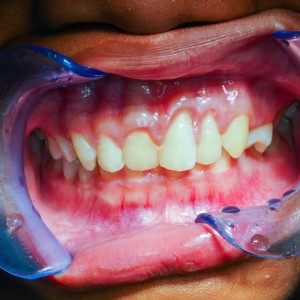
The present study aimed to determine the effectiveness of mouthwashes on the complications of orthodontic treatments and dental prostheses, in addition to filling research gaps, to identify and...
Endodontics 20 May 2024

The most frequently intracanal antibacterial dressing currently used is calcium hydroxide (Ca(OH)₂), whose antibacterial capacity is due to the alkalinity which produces a release of highly...
Orthodontics 21 August 2026
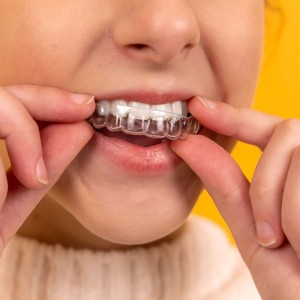
This peer-reviewed orthodontics article summarizes clinical evidence from Dental press journal of orthodontics (2026). It focuses on findings that may help dental professionals evaluate treatment...
Products 07 August 2026
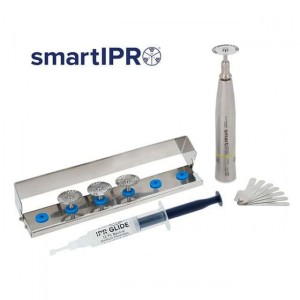
Partnership with Eversmile makes o scillating s ystem available through HSO in the United States.
Orthodontics 07 August 2026
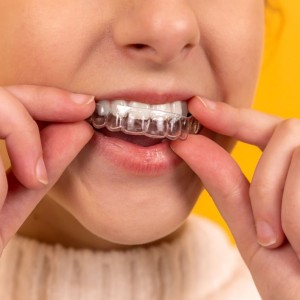
This peer-reviewed orthodontics article summarizes clinical evidence from Dental press journal of orthodontics (2026). It focuses on findings that may help dental professionals evaluate treatment...
Read more
Products 15 October 2026
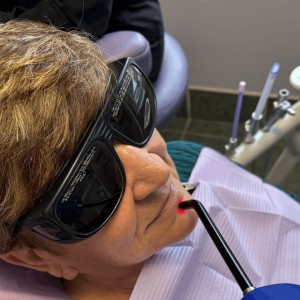
The belief in the healing power of light goes all the way back to ancient Egypt and the worship of Rah, the sun god.
Nearly half the world’s population is affected by oral disease—and the number of cases is rising.
News 15 October 2026

New office at 3170 R Street adds walk-in availability and same-day care options in a region where dental providers are in short supply
Each year, the University of Colorado Anschutz School of Dental Medicine (SDM) Excellence Awards recognize individuals whose dedication, leadership and innovation strengthen our mi
Oral surgery 15 October 2026
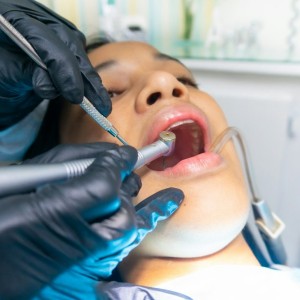
This peer-reviewed oral surgery article summarizes clinical evidence from International journal of oral and maxillofacial surgery (2026). It focuses on findings that may help dental professionals...



Copyright © 2026 - All Rights Reserved
ISSN 2767-1178