


Awake, sleep behavior in patients with painful TMD
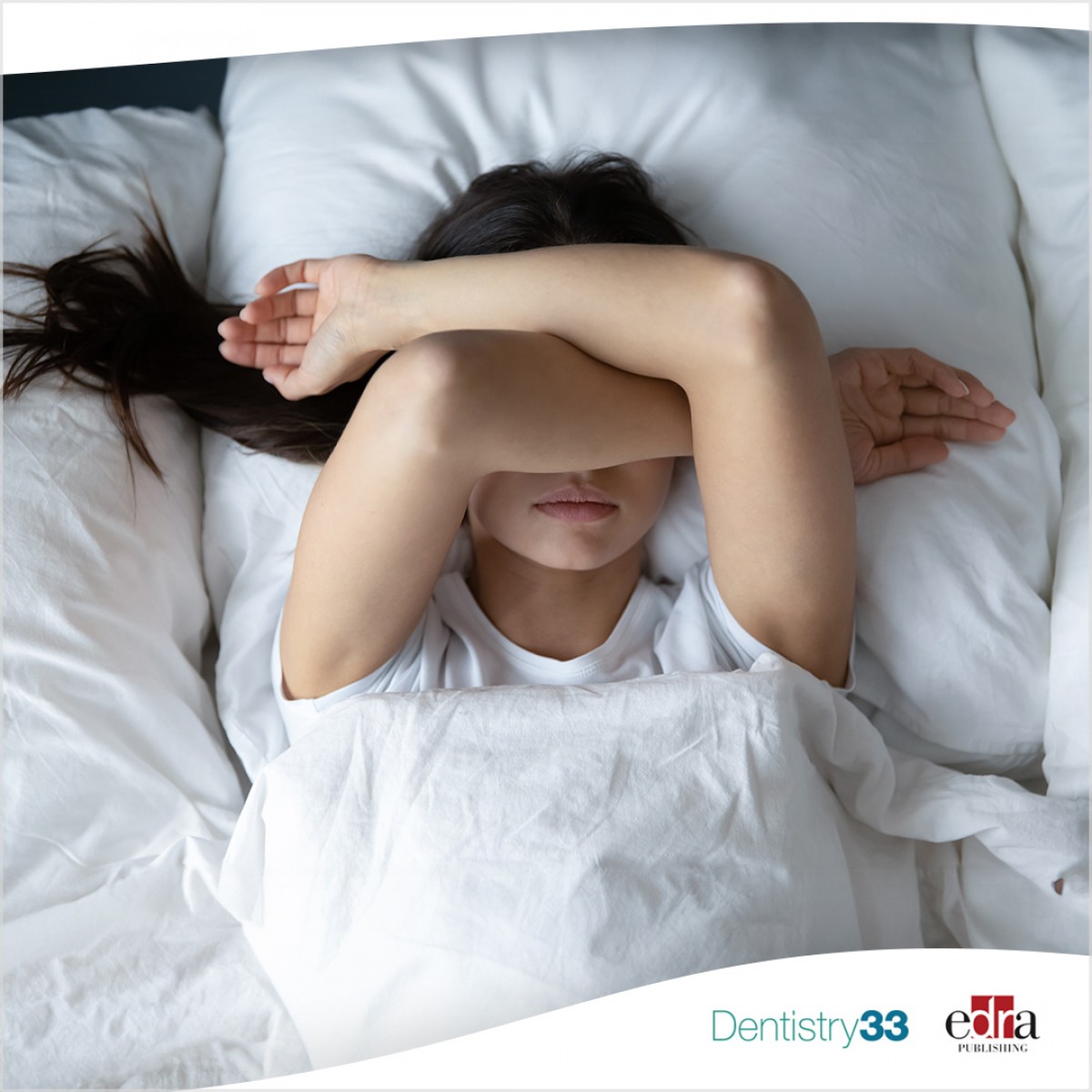
Objectives
The aim of this research was to explore the oral behaviors exhibited by individuals with and without temporomandibular disorders (TMD) pain, and with various pain characteristics; and to determine which oral behavior is correlated with painful TMD.
Methods
328 patients with TMD who visited Orofacial Pain Clinic were included in this retrospective cross-sectional study. The patients were categorized into 2 groups—painful TMD and non-painful TMD—based on pain status; their other pain characteristics were recorded. To evaluate oral behaviors, researchers utilized the Oral Behaviors Checklist (OBC) and categorized into 3 levels based on the Diagnostic criteria for TMD scoring manual. To investigate the associations amongst demographic information, oral behavior levels, and TMD pain status and characteristics, logistic regression was employed, whilst t tests were used to analyze OBC scores. Logistic regression was also used to examine individual oral behaviors in relation to specific pain characteristics.
Results
Age and marital status were associated with TMD pain status. Significantly higher OBC scores were observed in chronic pain compared to acute pain group, but the scores were not significantly different for pain status and other pain characteristics. OBC score and level were associated solely with TMD pain chronicity. According to multivariate logistic regression, “clench or grind teeth when sleeping” was the strongest predictor of TMD pain and “place tongue forcibly against teeth” was the strongest predictor of chronic painful TMD.
Conclusions
High oral behavior level and OBC scores were associated with chronic painful TMD. Sleep bruxism was the strongest predictor of TMD pain. Age and marital status were correlated with TMD pain status. In the treatment of TMD, there can be potential benefits in addressing and managing oral parafunctional behaviors.
Wajana Keela, Touch Itthikul, Somsak Mitrirattanakul, Sunee Pongrojpaw, "Awake and Sleep Oral Behaviours in Patients With Painful Temporomandibular Disorders," International Dental Journal, 14 August 2023, ISSN 0020-6539, https://doi.org/10.1016/j.identj.2023.07.013.
 Related articles
Implantology 07 March 2024

The longevity of teeth, dental restorations and dental implants is influenced by a number of factors, those related to the materials used, technical factors and patient-related factors.

Almost 55% of adolescents have tooth sensitivity, bleeding gums, clenching or grinding of teeth and pain or difficulty opening or closing the mouth, according to the Sanitas Oral Health Study 2023.
Oral pathology 14 June 2023

Tooth wear is the loss of hard tooth tissue from the surface not due to caries, trauma or developmental disorders. There are various causes of wear including friction, erosion, abrasion and...
Prosthodontics 18 May 2023
Evaluating the reliability of a new portable device to diagnose nocturnal bruxism

Bruxoff is a portable sleep bruxism assessment device that combines electromyography and heart rate assessment. In this study, authors investigated the reliability and validity of the device...

To help dentists and dental teams, the FDI World Dental Federation's Dental Practice Committee has developed guidelines outlining the etiology, signs and symptoms, prevention methods, diagnosis and...
Read more
Products 20 October 2026

News 20 October 2026

In recognition of National Dental Hygiene Month, Delta Dental highlights key findings from its 2026 State of America’s Oral Health and Wellness Report , a nationwide analysis of co
News 20 October 2026

Abra Health Group has launched The Dental Bank, a new community impact initiative designed to make essential oral health resources more accessible to individuals and families throu
Editorials 20 October 2026
Woman’s skull likely proof of ancient nose amputation, says College of Dentistry professor
Qian Wang, professor in biomedical sciences at Texas A&M College of Dentistry in Dallas, identified what he and other researchers believe is likely one of the first examples of an
Endodontics 20 October 2026
This peer-reviewed endodontics article summarizes clinical evidence from Clinical oral investigations (2026). It focuses on findings that may help dental professionals evaluate treatment decisions,...



Copyright © 2026 - All Rights Reserved
ISSN 2767-1178