


Innovative educational methods and technologies applicable to continuing professional development in periodontology
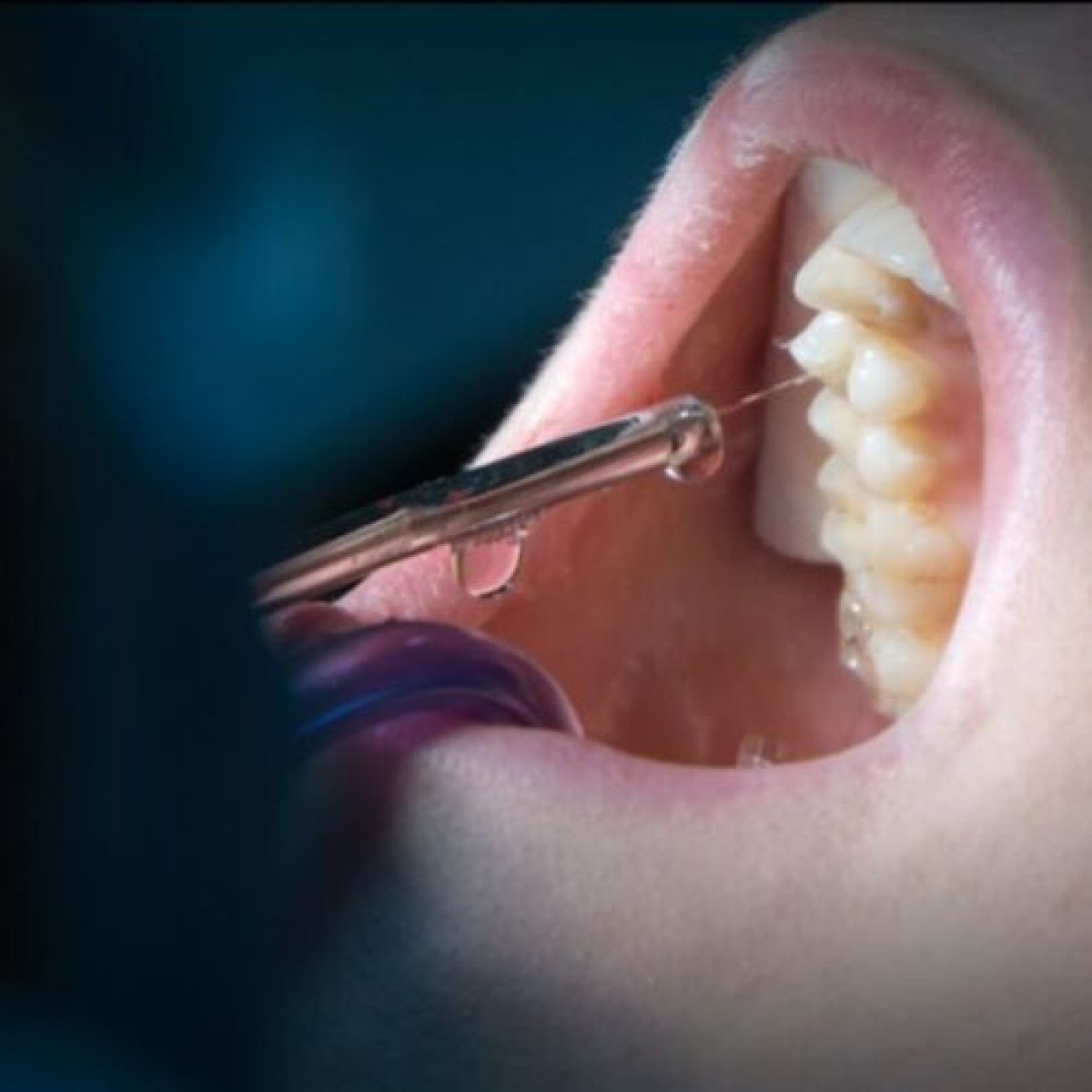
Continuous professional development (CPD) in Periodontology refers to the overall framework of opportunities that facilitate a life-long learning practice, driven by the learner-practitioner and supported by a variety of institutions and individuals.
CPD must address different needs for a great diversity of practitioners. It is clear that no particular methodology or technology is able to successfully accommodate the entire spectrum of CPD in Periodontology. Course designers must choose from and combine a wide array of methodologies and technologies, depending upon the needs of the learners and the objectives of the intended education. Research suggests that ‘interactivity’, ‘flexibility’, ‘continuity’ and ‘relevance to learners’ practice’ are major characteristics of successful CPD.
Various methods of mentoring, peer-learning environments and work-based learning have been combined with reflective practice and self-study to form the methodological backbone of CPD courses. Blended learning encompasses a wide array of technologies and methodologies and has been successfully used in CPD courses. Internet-based content learning management systems, portable Internet devices, powerful databases and search engines, together with initiatives such as ‘open access’ and ‘open courseware’ provide an array of effective instructional and communication tools.
Assessment remains a key issue in CPD, providing learners with valuable feedback and it ensures the credibility and effectiveness of the learning process. Assessment is a multi-level process using different methods for different learning outcomes, as directed by current evidence and best practices. Finally, quality assurance of the education provided must follow CPD courses at all times through a structured and credible process.
Authors: N. Mattheos, M. Schoonheim-Klein, A. D. Walmsley, I. L. C. Chapple
Source: https://onlinelibrary.wiley.com/
 Tag
Tag
Related articles
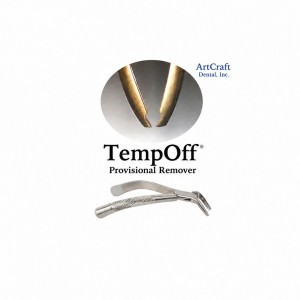
ArtCraft Dental is drawing attention among restorative clinicians with TempOff, an innovative instrument designed to simplify temporary removal.
Pediatric dentistry 29 April 2026
Exploration and innovative application of digital technology in pediatric dentistry
Pediatric dentistry treats patients aged 0-18 years, encompassing the characteristics of general dentistry.

Clarity Aligners from Solventum are nearly invisible and extruded in 2 thicknesses to express different mechanical force levels.
Prosthodontics 12 February 2026
Mandibular guidance prosthesis: Conventional and innovative approach: A case series
Surgical resection of the lower jaw due to the presence of a benign or malignant tumor is the most frequent cause of mandibular deviation.

A new grant awarded to Marcie S. Rubin, DrPH, MPH, MPA, associate professor of Behavioral Sciences in Dental Medicine at the Columbia University College of Dental Medicine will support the...
Read more
Europe 18 October 2026 - 30 November -0001
IDS Cologne 2027 in Cologne: Event Preview and Professional Highlights

The IDS Cologne 2027 will take place from March 16, 2027 to March 20, 2027 in Cologne, Germany, offering dental professionals a focused environment for continuing education, clinical updates and...
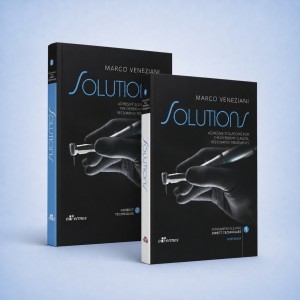
Solutions is an Edra professional dentistry reference focused on clinical practice, education and treatment planning.
Products 16 October 2026
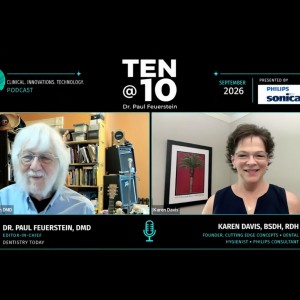
Karen Davis on Philips Sonicare DiamondClean 9900 Prestige & Smarter Brushing
News 16 October 2026
Align Technology to Report Q3 2026 Financial Results October 28
(Nasdaq: ALGN), a leading global medical device company that designs, manufactures, and sells the Invisalign® System of clear aligners, iTero™ intraoral scanners, and exocad™ CAD/C
News 16 October 2026
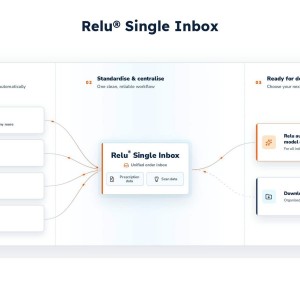
Fewer people on intake, faster turnaround, and no lost cases: Relu’s new automation captures and centralizes every scan and Rx from every source within a minute of arrival



Copyright © 2026 - All Rights Reserved
ISSN 2767-1178