


55% of Spanish adolescents have an oral health problem
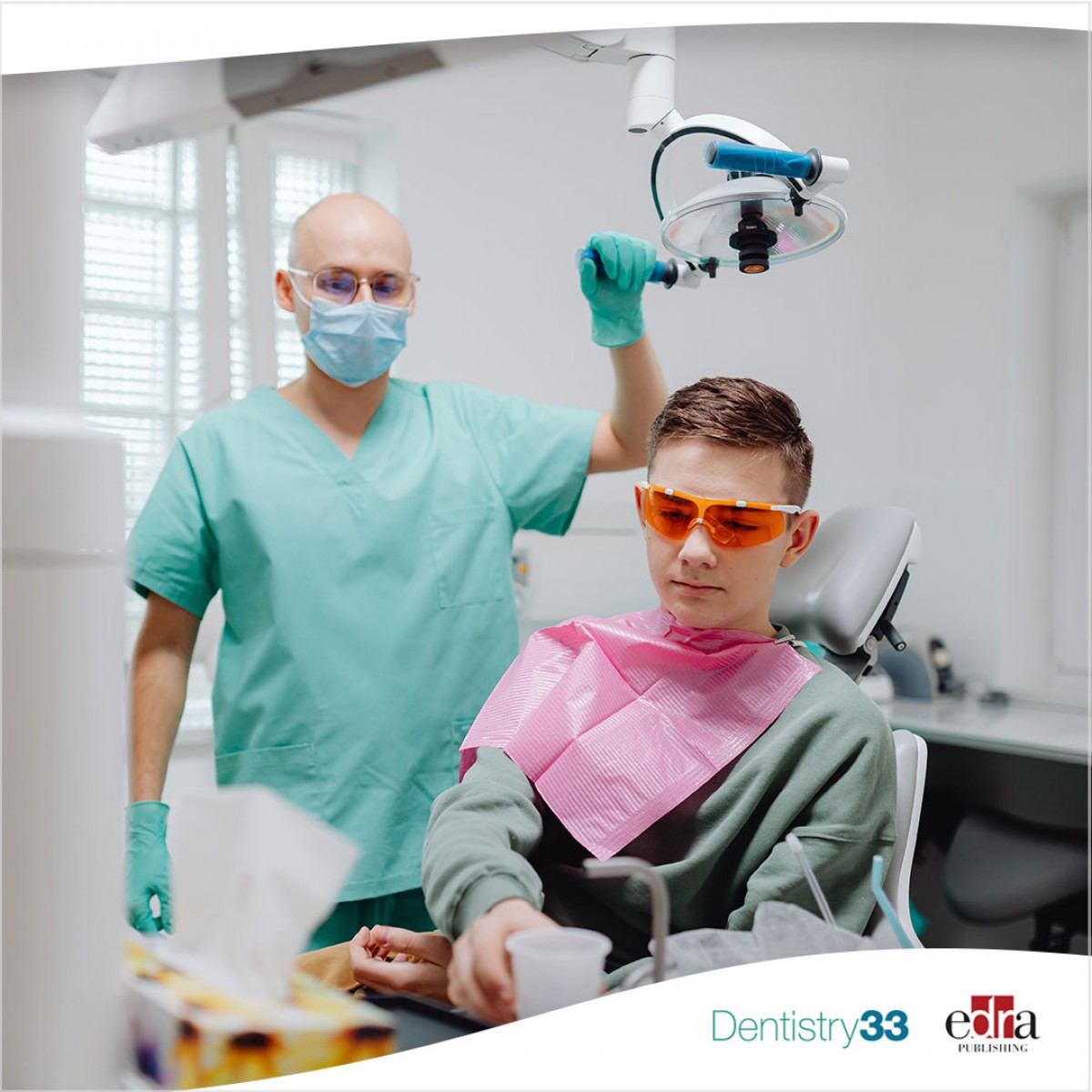
Almost 55% of adolescents have some type of oral health problem, including tooth sensitivity, bleeding gums, clenching or grinding of teeth and pain or difficulty opening or closing the mouth, according to the Sanitas Oral Health Study 2023.
During adolescence the maxillofacial bones have not yet completed their development, which facilitates the movements necessary to correct problems such as malocclusion or dental crowding. According to the data of the study, 3 out of 4 adolescents wear or have worn an orthodontic appliance or braces.
"Adolescence is a complex stage, of many changes, but it can be a key moment to address oral problems already present since, if corrections are made during this period, we can prevent them from going further in the future", said Dr. Berta Uzquiza, dentist and head of Innovation and Clinical Quality at Sanitas Dental.
Dental health is directly related to overall health. If these problems are not corrected at an early age, problems arising from a bad bite may appear. Some of them are:
- Poor digestion. Teeth that do not occlude correctly hinders the correct chewing of food, which means more work of the stomach.
- Gum problems and increased risk of cavities. Crowding of the teeth makes it difficult to brush so that proper hygiene can be carried out, which can lead to gingivitis (inflammation of the gums) or an increased risk of tooth decay.
- Headaches and neck. An incorrect gear of the teeth can have an impact on problems in the temporomandibular joint and muscle pains in the head and cervical area, which try to compensate for this malocclusion.
Taking into account these problems, it should be noted that practically all Spanish adolescents said that they would be open to orthodontic treatment if necessary and 56% would choose the treatment recommended by their dentist, according to data extracted from the study.
In addition, 39% of adolescents indicate that they would be willing to start dental treatment only for cosmetic reasons.
"The best orthodontic treatment for each person is the one that, after conducting a rigorous study and analysis of the case by an orthodontist, successfully treats the patient's pathology by restoring oral function and the aesthetics of their smile," said Uzquiza. "In these cases, it is necessary to carry out periodic reviews, either in person or even through video consultation."
The time required to wear orthodontics and the results obtained will depend largely on the adolescent's follow-up of the orthodontist's instructions. These include eating the right foods, maintaining good oral hygiene and adhering to the prescribed screening schedule.
 Related articles
Oral Hygiene & Prevention 23 November 2026
This peer-reviewed oral hygiene & prevention article summarizes clinical evidence from BMC oral health (2026). It focuses on findings that may help dental professionals evaluate treatment...
Prosthodontics 20 November 2026
This peer-reviewed prosthodontics article summarizes clinical evidence from BMC oral health (2025). It focuses on findings that may help dental professionals evaluate treatment decisions, patient...
Oral pathology 17 November 2026
This peer-reviewed oral pathology article summarizes clinical evidence from BMC oral health (2023). It focuses on findings that may help dental professionals evaluate treatment decisions, patient...
Prosthodontics 12 November 2026
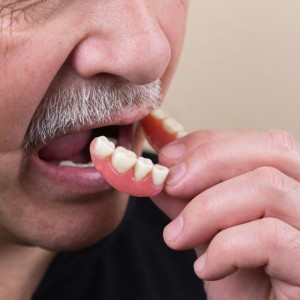
This peer-reviewed prosthodontics article summarizes clinical evidence from BMC oral health (2026). It focuses on findings that may help dental professionals evaluate treatment decisions, patient...
Oral pathology 11 November 2026
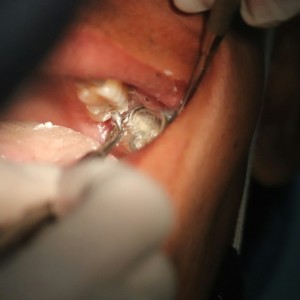
This peer-reviewed oral pathology article summarizes clinical evidence from BMC oral health (2024). It focuses on findings that may help dental professionals evaluate treatment decisions, patient...
Read more
Products 24 November 2026
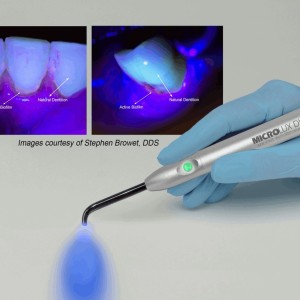
Microlux DW Illuminator Helps Detect Caries, Cracks, and Biofilm
News 24 November 2026
A network of providers will pilot systemic health screening workflows during regular dental hygiene visits to advance whole-person health.
News 24 November 2026

Envista Holdings Corporation (NYSE: NVST ) (“Envista”) recently announced that it has priced an offering (the “Offering”) of $430 million in aggregate principal amount of its 6.250
Editorials 24 November 2026
28th Annual White Coat Ceremony Marks New Milestone for Dental Classes of 2029 and 2030
Members of the DDS Class of 2030 and the International Dentist Pathway Class of 2029 were met with thunderous applause from friends and family as they entered the auditorium of the
Periodontology 24 November 2026
This peer-reviewed periodontology article summarizes clinical evidence from BMC oral health (2026). It focuses on findings that may help dental professionals evaluate treatment decisions, patient...


Copyright © 2026 - All Rights Reserved
ISSN 2767-1178