


Can bruxism predispose to implant failure?
Lara Figini

The longevity of teeth, dental restorations and dental implants is influenced by a number of factors, those related to the materials used, technical factors and patient-related factors. Specifically, bruxism is related to various negative consequences, both at the level of natural teeth and at the level of dental implants, where it can cause overload and therefore be associated with a higher risk of implant failure, generating technical complications and failures of the implant support, including fracture of the implants themselves. Such failures and complications lead not only to suffering for patients, but also to increased costs and additional sessions to deal with the problems.
Type of research and analysis methods
In a systematic review published in the Journal of Oral Rehabilitation, the authors evaluated implant failure and marginal bone loss (MBL) in patients with probable bruxism compared to non-bruxist patients. The review was registered in PROSPERO (CRD42021238397). The electronic bibliographic search was performed in September 2022 using PubMed/Medline, Web of Science and Science Direct, and was also combined with a manual bibliographic search. Two independent reviewers performed abstract screening, full text assessment, quality assessment (National Institutes of Health tool) and performed data extraction. Pairwise random effect meta-analysis was performed.
Results
Of 1,338 studies identified, 27 studies were included presenting data on 2,105 implants in probable bruxists and 10,264 implants in non-bruxists, with 138 and 352 implant failures, respectively. The meta-analysis highlighted that implants placed in probable bruxists had a higher risk of failure than in non-bruxists. Eighteen studies provided general data on MBL but did not report separate results between bruxists and non-bruxists, so MBL could not be analyzed.
Conclusions
From the data of this review, which must be confirmed in other similar studies and reviews, it can be concluded that implants inserted in probable bruxist patients present a significantly higher risk of failure compared to implants inserted in non-bruxist patients.
Clinical implications
The results of this review should be considered when planning and managing implant treatment.
Bibliography : Bruxism and dental implants: A systematic review and meta-analysis. Birgitta Häggman-Henrikson, David Ali, Mustafa Aljamal, Bruno Ramos Chrcanovic. J Oral Rehabil. January 2024;51:202–217.
 Related articles

The inconclusiveness and scarcity of research focusing on the association between oral behavior and painful TMD accentuates the necessity for further studies in this specific area.

Almost 55% of adolescents have tooth sensitivity, bleeding gums, clenching or grinding of teeth and pain or difficulty opening or closing the mouth, according to the Sanitas Oral Health Study 2023.
Oral pathology 14 June 2023

Tooth wear is the loss of hard tooth tissue from the surface not due to caries, trauma or developmental disorders. There are various causes of wear including friction, erosion, abrasion and...
Prosthodontics 18 May 2023
Evaluating the reliability of a new portable device to diagnose nocturnal bruxism

Bruxoff is a portable sleep bruxism assessment device that combines electromyography and heart rate assessment. In this study, authors investigated the reliability and validity of the device...

To help dentists and dental teams, the FDI World Dental Federation's Dental Practice Committee has developed guidelines outlining the etiology, signs and symptoms, prevention methods, diagnosis and...
Read more
Products 20 October 2026

News 20 October 2026

In recognition of National Dental Hygiene Month, Delta Dental highlights key findings from its 2026 State of America’s Oral Health and Wellness Report , a nationwide analysis of co
News 20 October 2026

Abra Health Group has launched The Dental Bank, a new community impact initiative designed to make essential oral health resources more accessible to individuals and families throu
Editorials 20 October 2026
Woman’s skull likely proof of ancient nose amputation, says College of Dentistry professor
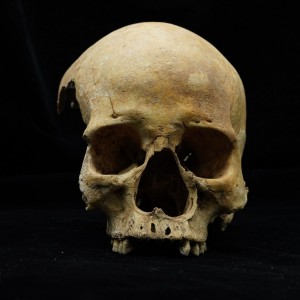
Qian Wang, professor in biomedical sciences at Texas A&M College of Dentistry in Dallas, identified what he and other researchers believe is likely one of the first examples of an
Endodontics 20 October 2026
This peer-reviewed endodontics article summarizes clinical evidence from Clinical oral investigations (2026). It focuses on findings that may help dental professionals evaluate treatment decisions,...


Copyright © 2026 - All Rights Reserved
ISSN 2767-1178