


Microbial contamination of resin composites inside their dispensers: An increased risk of cross-infection?
Authors: Allegra Comba, Federica Florenzano
Lorenzo Breschi
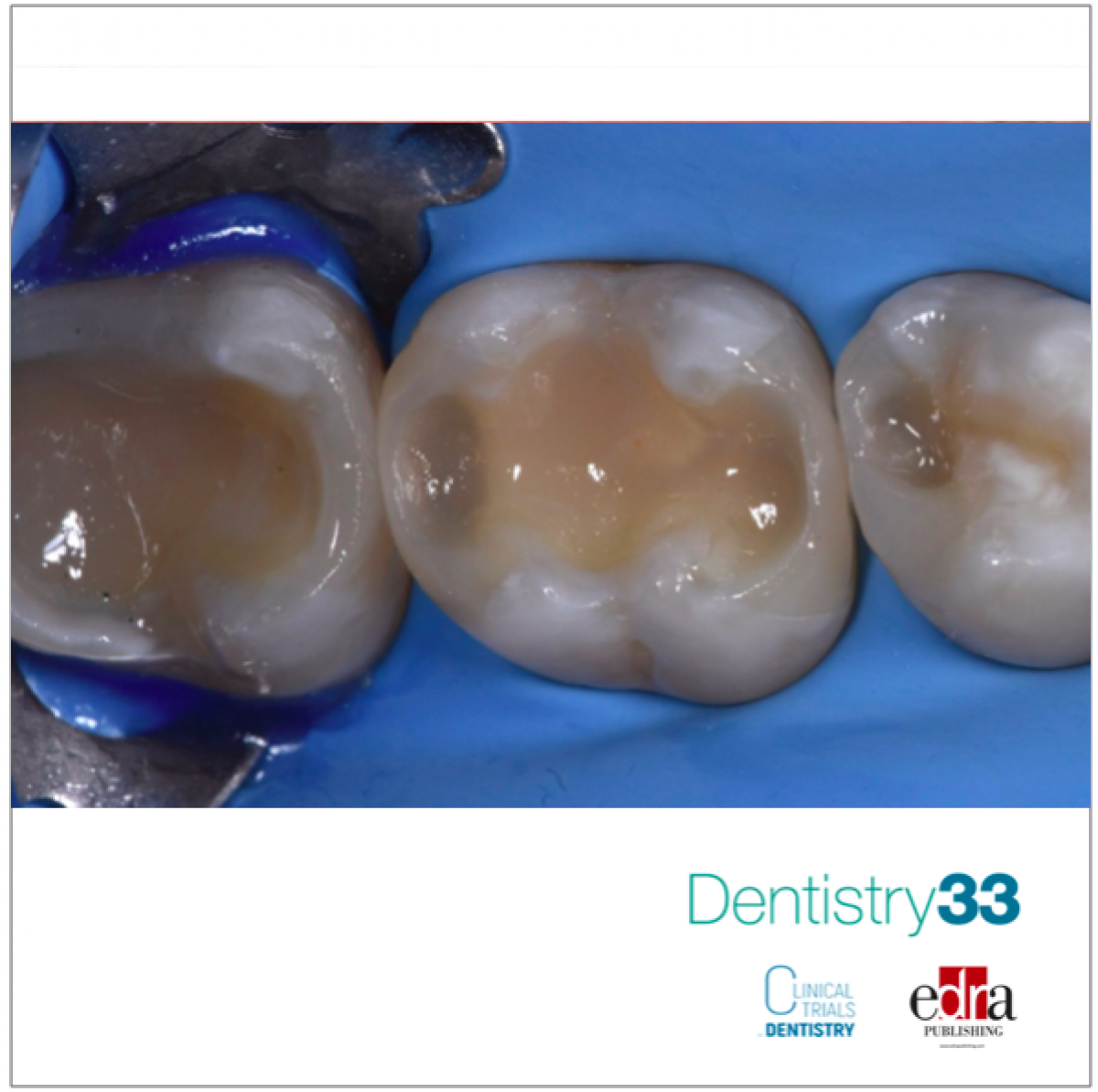
Cross-contamination control in the dental setting is always an actual topic for the heathcare of the workers and for the biosafety of the patients. Saliva and dental plaque can be considered sources of cross-infection. The effects of microorganisms’ contamination of different types of resin-based composites (RBCs) inside the dispensing syringes was investigated by Mazzitelli et al.
Materials and methods
The study was developed in two parts: an elettronic survey submitted via Google forms to Italian dentists and a second part with a bench test performed to evaluate the microbial viability on the surfaces of this different composites with/out photocuring. For the latter, 3 nanohybrid RBCs differing in matrix chemistry and fillers were used: FiltekTM Supreme XTE (3MTM); Venus Pearl (Kulzer GmbH); Admira Fusion x-tra (Voco). Uncured RBCs were exposed to standardized inocula of Streptococcus Mutans, Candida Albicans, Lactobacillus Rhamnosus, or mixt in an in vitro model reproducing clinical restorative procedures. Half of the RBCs specimens were cured after exposure. Microbial viability was assessed using an MTT- based test. Statistical analysis included three-way ANOVA and Tukey’s tests (p<0.05).
Results
Of the 700 questionnaires sent, a total of 300 dentists completed the survey. Most of dentists declared to use the spatula to carry the RBCs from the syringe to the dental cavity (50% same spatula; 35% two spatulas). However, 80% of respondents had personal feelings that using one spatula could be a source of cross-contamination .
In vitro results using one spatula showed microbial contamination of all RBCs after one hour of storage. The contamination levels depended on the used strain and RBC type (p<0.0001), but photocuring did not reduce contamination (p = 0.2992).
Conclusion
Dentists should be aware in handling composite materials during restorative procedures as mismanipulation may expose to cross-contamination effects.
For additional information: Microbial contamination of resin composites inside their dispensers: An increased risk of cross-infection?
 Related articles
Oral Hygiene & Prevention 01 November 2021
Missed appointements as an indicator of cross-infection prevention
Author: C. Tommaselli
Studies on dental cross-infections and related prevention measures abound in the literature, but no research on the effectiveness of the various measures has been proposed. That such measures have...
News 23 January 2023
The Risk Prevention and Alert System informs dental practices when there is a danger or presence of nontuberculous mycobacteria that may live and thrive in dental tools and water systems and prevents...
Oral Hygiene & Prevention 07 November 2022

Patients must be informed that the bristles of the toothbrush, interdental brushes and tongue cleaners are contaminated by bacterial biofilm, saliva, blood...
Implantology 29 January 2020

Treatments using dental implants to replace missing teeth are effective and predictable. However, with the ever-growing popularity of implant treatments and...
Restorative dentistry 02 December 2022
Can lubricant materials be used to model resin-based composites?

This study aimed to analyze existing scientific literature to explore advantages and limits of lubricant materials used during restorative procedures.
Read more
Products 20 October 2026

News 20 October 2026

In recognition of National Dental Hygiene Month, Delta Dental highlights key findings from its 2026 State of America’s Oral Health and Wellness Report , a nationwide analysis of co
News 20 October 2026

Abra Health Group has launched The Dental Bank, a new community impact initiative designed to make essential oral health resources more accessible to individuals and families throu
Editorials 20 October 2026
Woman’s skull likely proof of ancient nose amputation, says College of Dentistry professor

Qian Wang, professor in biomedical sciences at Texas A&M College of Dentistry in Dallas, identified what he and other researchers believe is likely one of the first examples of an
Endodontics 20 October 2026
This peer-reviewed endodontics article summarizes clinical evidence from Clinical oral investigations (2026). It focuses on findings that may help dental professionals evaluate treatment decisions,...



Copyright © 2026 - All Rights Reserved
ISSN 2767-1178