


The importance of keeping your toothbrush clean
Gianna Maria Nardi

The health of the oral cavity is determined by a condition of eubiosis of the oral cavity, ensuring the microbiological balance of about 900 different microbial species. In the motivational approach to correct home oral hygiene, the sanitation of dedicated tools must be considered.
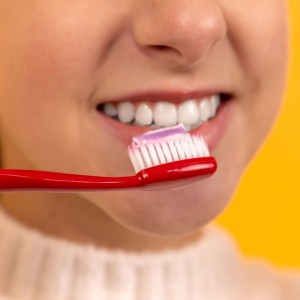
Patients must be informed that during brushing, the bristles of the toothbrush and the interdental brushes and tongue cleaners are contaminated by bacterial biofilm, saliva, blood, food residue and residues of toothpaste or gel.
Another potential health hazard for the toothbrush is environmental contamination. Several studies have evaluated the microbial contamination on the brush head and between the tufts of bristles, after one and three months of use in bathrooms. This highlights the presence of E. Coli on the surface of toothbrushes, probably also due to the nebulization of substances and microorganisms present in bathrooms.
This scientific evidence has focused on exposure triggered by fecal microorganisms and E. Coli, a gram-negative microorganism belonging to the Enterobacteriaceae group. It is gram negative, facultative anaerobe, ferments glucose, reduces nitrate and is catalase-positive and oxidase-negative. These microorganisms have a broad spectrum of virulence with two important factors:
- Specialized adhesins that allow it to remain in the gastrointestinal tract or urinary tract
- Exotoxins that produce heat stable toxins, Hemolysin Hya.
In the gastrointestinal tract it can mainly cause septicemia, neonatal meningitis, urinary tract infections and gastroenteritis.
Furthermore, research studies have highlighted the presence of other bacterial species including: Streptococcus Mutans, Staphylococcus Aureus, Pseudomonas, Candida and Lactobacillus. Controls at 24, 48 and 72 hours showed higher contamination than toothbrushes covered by a case.
The hygiene of toothbrushes and other oral hygiene devices must be treated with the importance it deserves for a reduction of the risk of onset of oral cavity and systemic diseases.
To facilitate the management of sanitizing the toothbrush at least twice a week, people may use spray solutions to protect brushes and devices from bacteria, fungi and viruses. Some studies have found that soaking your toothbrush in a 3% hydrogen peroxide solution or antibacterial mouthwash can help kill any bacteria that may be on it, according to an Oct. 2022 article on WebMD. Soaking a toothbrush in white vinegar once a week may also help disinfect it. The sprays should be used a few inches away from the surface to properly sanitize the toothbrush.
Ilkay Peker,Gulcin Akca,Cigdem Sarikir,Meryem Toraman Alkurt, Irem Celik. "Effectiveness of alternative methods for toothbrush disinfection: an in vitro study." Scientific World Journal; 2014:726190..doi:10.1155/2014/726190
A Misirligil, N Saygun, Z Misirligil. "Effects of storage conditions on the rate of disappearance of bacterial contamination of toothbrushes." Mikrobiyol Bul. 1984 Jan:18(1):47-52
 Related articles
Oral Hygiene & Prevention 30 September 2026
Propolis-containing formulations in caries prevention - a systematic review and meta-analysis.
This peer-reviewed oral hygiene & prevention article summarizes clinical evidence from Clinical oral investigations (2026). It focuses on findings that may help dental professionals evaluate...
Oral Hygiene & Prevention 23 September 2026
Propolis-containing formulations in caries prevention - a systematic review and meta-analysis.
This peer-reviewed oral hygiene & prevention article summarizes clinical evidence from Clinical oral investigations (2026). It focuses on findings that may help dental professionals evaluate...
Oral Hygiene & Prevention 09 September 2026
Propolis-containing formulations in caries prevention - a systematic review and meta-analysis.
This peer-reviewed oral hygiene & prevention article summarizes clinical evidence from Clinical oral investigations (2026). It focuses on findings that may help dental professionals evaluate...
Oral Hygiene & Prevention 26 August 2026
Propolis-containing formulations in caries prevention - a systematic review and meta-analysis.
This peer-reviewed oral hygiene & prevention article summarizes clinical evidence from Clinical oral investigations (2026). It focuses on findings that may help dental professionals evaluate...
Oral Hygiene & Prevention 22 July 2026
This peer-reviewed oral hygiene & prevention article summarizes clinical evidence from Journal of dentistry (2026). It focuses on findings that may help dental professionals evaluate treatment...
Read more
Products 13 October 2026


New Resources Help Dental Exhibitors Evaluate Their Investment and Explore the Personify ShowFlow™ Trade Show Success System
News 13 October 2026

New patient apps extend The Aspen Group’s mission to remove barriers to care, giving patients greater visibility, convenience, and control from booking through treatment
Editorials 13 October 2026

The forerunner of what’s now Texas A&M College of Dentistry opened 120 years ago in Dallas with the mission of educating dentists to provide quality care to patients in North Texas
Oral pathology 13 October 2026
This peer-reviewed oral pathology article summarizes clinical evidence from Oral oncology (2026). It focuses on findings that may help dental professionals evaluate treatment decisions, patient...



Copyright © 2026 - All Rights Reserved
ISSN 2767-1178