


How to classify structurally compromised teeth? A novel classification proposal
Lorenzo Breschi
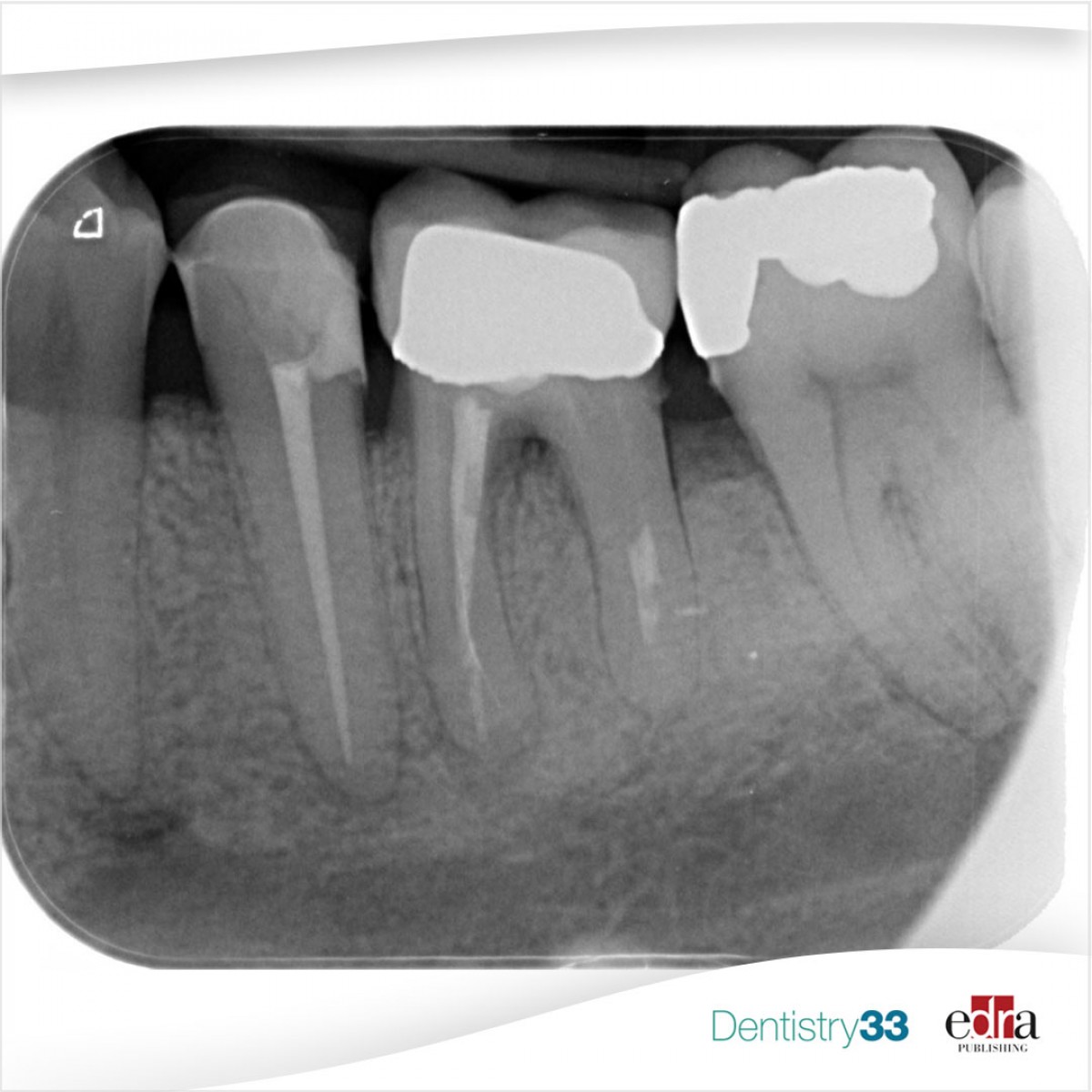
Introduction: Natural teeth can undergo structural compromissions as a result of caries, fractures and severe wear. In a recent clinical article, Fichera G. et al. introduced a comprehensive, clinically relevant novel classification of structurally compromised teeth (SCT) based on the status of the residual coronal structure and the most apical location of the residual cervical structure, with respect to periodontal tissues.
Materials and methods: To classify the SCT, standardize the overall preoperative evaluations and determine the biological and mechanical features, authors analyzed various aspects regarding the structure of the tooth and soft tissues. A classification of the coronal and cervical tooth defects, an attentive analysis of the biomechanical and biological characteristics of SCT was presented.
Results/discussion: According to the position of the most apical part of the cervical structure with respect to the gingival margin, gingival sulcus, supracrestal tissue attachment and bone crest, five major different clinical scenarios can be individuated. Within this classification, the authors intend to draw the attention to those challenging clinical situations that can pose clinicians in front of the decision on whether to intervene with direct restorative approaches or refer to more aggressive or time-consuming interventions.
Conclusions: The SCT classification is intended to enhance the existing and offer new standardized operative guidelines, enlarge the spectrum of strategical clinical options for the maintenance of the natural tooth and perform a risk-benefit analysis during diagnostic phases.
Keywords: bone crest, cervical structure, classification, ferrule, resistance form, structurally compromised teeth, supracrestal tissue attachment
For more information: Fichera G, Mazzitelli C, Picciariello V, Maravic T, Josic U, Mazzoni A, Breschi L. Structurally compromised teeth. Part I: Clinical considerations and novel classification proposal. J Esthet Restor Dent. 2023 Aug 24. doi: 10.1111/jerd.13117. Epub ahead of print. PMID: 37615505.
Source: https://doi.org/10.1111/jerd.13117
 Related articles
News 10 September 2026

Football season may be keeping fans stressed long after the final whistle, according to a new survey commissioned by DenTek.
Editorials 27 April 2026
Endodontics 21 April 2026
For a daily dental practice, the Panoramic (PANO) X-ray film is one of the most commonly used dental X-rays.

The clinically backed formula combines 5% potassium nitrate and nano-hydroxyapatite in a Mint Cream flavor formulated to reduce and prevent painful tooth sensitivity.
Periodontology 11 February 2026
Effect of blue covarine containing whitening toothpaste on the color of resin composites and teeth
Resin composites have become increasingly popular; however, one problem associated with their use is discoloration. Bleaching (whitening by chemical methods) is an accepted way to remove external and...
Read more
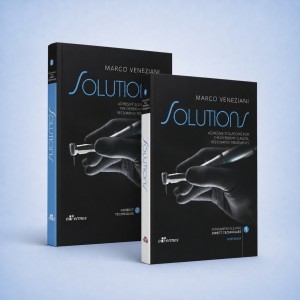
Solutions is an Edra professional dentistry reference focused on clinical practice, education and treatment planning.
Products 16 October 2026
Karen Davis on Philips Sonicare DiamondClean 9900 Prestige & Smarter Brushing

News 16 October 2026
Align Technology to Report Q3 2026 Financial Results October 28

(Nasdaq: ALGN), a leading global medical device company that designs, manufactures, and sells the Invisalign® System of clear aligners, iTero™ intraoral scanners, and exocad™ CAD/C
News 16 October 2026

Fewer people on intake, faster turnaround, and no lost cases: Relu’s new automation captures and centralizes every scan and Rx from every source within a minute of arrival
Editorials 16 October 2026

Achievement and service take center stage as the University of Colorado Anschutz School of Dental Medicine honors the Doctor of Dental Surgery (DDS) Class of 2026.



Copyright © 2026 - All Rights Reserved
ISSN 2767-1178