


Direct and indirect restorations in posterior sectors: literature vs social media
OBJECTIVES
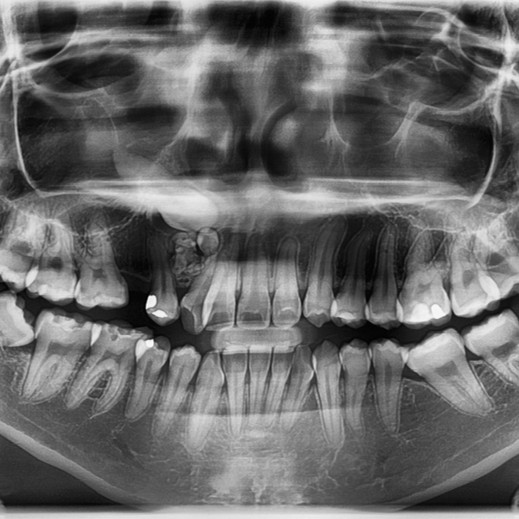
Social media are a fundamental part of modern society: at a professional level, they allow clinicians to share and comment cases, scientific literature and protocols. This however might allow for erroneous techniques, wrong decisional criteria and unfit indications produced by untrustworthy sources to gain popularity. The objective of this study is to compare the literature’s indication regarding restorative options for damaged vital and endodontically treated teeth (direct, inlay, onlay, overlay) with indications
shared by dental professionals on Facebook. In particular, the aim is to assess differences or similarities between the responses of dental clinicians and the scientific literature.
MATERIALS AND METHODS
Two questionnaires were formulated, in Italian and in English, each containing six questions, with three possible answers and only one correct. The questionnaires were then published on different dentistry Facebook groups, both Italian and international. The participants were asked in which university they graduated, and the questionnaires involved topics such as indications for direct or indirect restoration of a vital or root-canal treated tooth, which materials to use for the fabrication of such restorations and which materials to use for indirect restorations’ adhesive cementation.
For both questionnaires, a statistical analysis was conducted, firstly general, in which the total number and percentage of answers for each question and the relative means and standard deviations; then an analysis was conducted to see how the number of correct answers changed according to the university of graduation.
RESULTS
After six months, 134 participants answered to the Italian version of the questionnaire, while only 19 did for the English version.
Comparing the answers collected from the Italian questionnaires with what is suggested by the literature showed that, in almost every question, the majority of the participants indicated the correct answer.
In the English questionnaire, however, most participants indicated correct answers supported by literature in only two questions out of six. It is important to note that the international questionnaire had fewer participants, which may have influenced the results.
CONCLUSIONS
The spread of social networks in the conservative dentistry field is, for the most part, facilitating the spread of correct and scientifically proven dental knowledge.
CLINICAL SIGNIFICANCE
The purpose of this article is to observe and emphasize the influence that social media, which
have taken over the world of communication, are having in spreading cor rect dental knowledge, regarding the indications proposed by the literature on when and how to perform an indirect partial restoration in posterior teeth.
In everyday clinical practice, misinformation shared through social media can be dangerous for both uninformed patients which seek information through these platforms and inexperienced professionals: with the limitations of our results, it seems, however, that correct and evidence- based knowledge is being shared on the most numerous dental professionals-only groups on social networks.
Authors: Elisabetta Carli, Vincenzo Marchio, Giacomo Derchi, Anna Garbocci, Antonio Barone, Lisa Lardani
Source: https://www.dentalcadmos.com/
 Related articles
News 08 September 2026
The American Academy of Cosmetic Dentistry (AACD) is pleased to announce the appointment of Krista Paternostro Bower, MPA, CAE, as its new Executive Director.
Products 11 June 2026
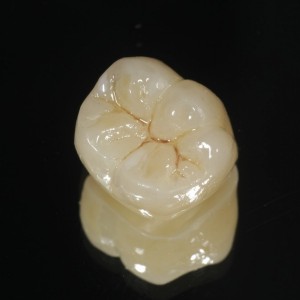
Assured Dental Lab introduces Z-Brux Direct, the zirconia crown designed for strength, simplicity, and speed in everyday posterior single-unit cases.


HSDM director of admissions reflects on the rewarding aspects of her work as she is recognized for her contributions to HSDM
News 24 March 2026
The board of directors of Colgate-Palmolive Company (NYSE:CL) recently announced an increase in the quarterly common stock cash dividend to $0.53 up from $0.52 per share.
Read more
Products 21 October 2026

Foundation and ScanOS bring scanning into the SprintRay workflow; Nano Series introduces compact chairside printing, washing, and curing; GC partnership expands validated restorati
News 21 October 2026

(Nasdaq: HSIC) announced today that Emmanuel Caprais, former Senior Vice President and Chief Financial Officer of ITT, Inc.
News 21 October 2026
Editorials 21 October 2026
From California to Canada: CU Anschutz School of Dental Medicine at ADEA, GRC and IADR 2026
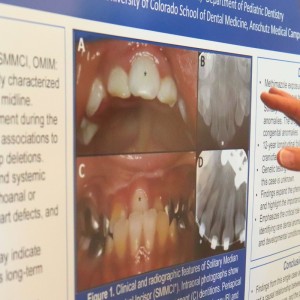
The CU Anschutz School of Dental Medicine will showcase a wide breadth of educational innovation, faculty development, clinical training and research at three major gatherings this
Endodontics 21 October 2026
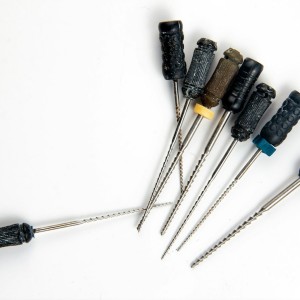
This peer-reviewed endodontics article summarizes clinical evidence from BMC oral health (2026). It focuses on findings that may help dental professionals evaluate treatment decisions, patient...



Copyright © 2026 - All Rights Reserved
ISSN 2767-1178