


Using periodontal staging and grading system as a prognostic factor for future tooth loss: a long‐term retrospective study
Background
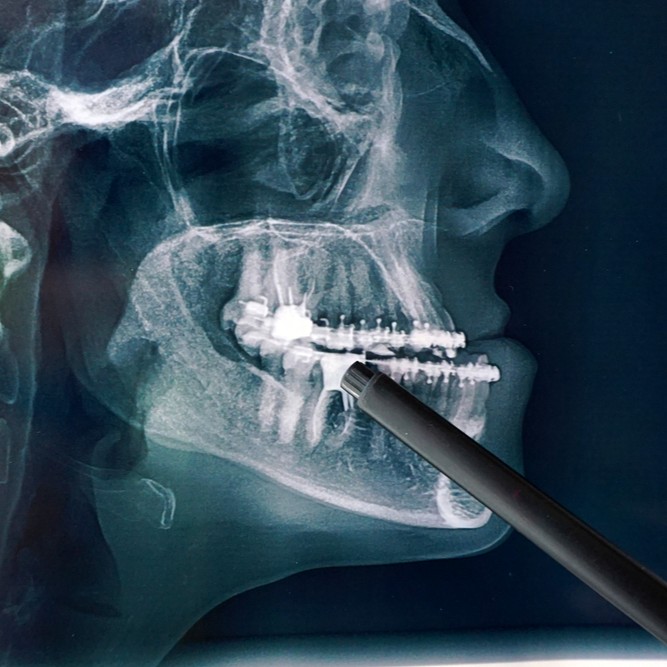
A new classification of periodontal diseases aimed to identify periodontal disease based on a multidimensional staging and grading system has been recently proposed. However, up to date, its prognostic predictive capability has not been investigated. The aim of this study was to assess if parameters included in the new classification were predictive of tooth loss after a long-term follow-up (>10 years) in patients with periodontitis.
Methods
Patients presented with periodontitis at the University of Michigan between January 1966 and January 2004 were screened and categorized according to the new classification of periodontitis. Number/Reasons of teeth loss in patients who underwent at least one session/year of maintenance during the entire follow-up period were extracted and used to analyze the prognostic capabilities of variables (staging, grading, and Extent) included in the new classification.
Results
A total number of 292 patients with a mean follow-up of 289.7 ± 79.6 months were included. 31 (10.6%) patients were classified as Stage 1, 85 (29.1%) as Stage 2, 146 (50%) as Stage 3, and 30 (10.3%) as Stage 4. For grading, 34 (11.7%) were classified as Grade A, 193 (66.1%) as Grade B, and 65 (22.2%) as Grade C. Results of multilevel Cox regression analyses revealed a statistically significant association between stage (HR:3.73 between Stage 4 and Stage 1) and grade (HR: 4.83 between Grade C and Grade A) at baseline and periodontal related tooth loss, whereas no differences were detected for the extent of periodontitis.
Conclusion
This study provides the initial evidence regarding the predictive ability of the new classification of periodontitis. Patients in either Stage 4 or Grade C showed a significantly higher periodontal-related tooth loss.
Authors: Andrea Ravidà, Musa Qazi, Giuseppe Troiano, Muhammad H. A. Saleh, Henry Greenwell, Kenneth Kornman, Hom-Lay Wang
Source: https://aap.onlinelibrary.wiley.com/
 Tag
Tag
Related articles
Products 15 October 2026

The belief in the healing power of light goes all the way back to ancient Egypt and the worship of Rah, the sun god.
Oral surgery 10 April 2026
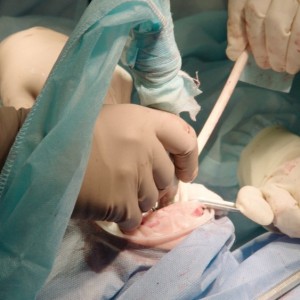
A systematic literature search in MEDLINE, Embase, and the Guideline websites, from October 2007 to October 2012, produced articles that were critically evaluated.
Editorials 10 April 2026
Vining Lab Using Hydrogel System to Advance Understanding of Periodontal Disease
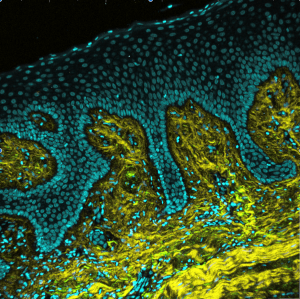
Penn Dental Medicine’s Kyle H. Vining and Hardik Makkar take a biomaterials approach to understanding periodontal disease, using a hydrogel system to investigate how the physical properties of the...
Prosthodontics 27 February 2026
Prosthetic implant rehabilitation using the scan-analog protocol: a clinical case
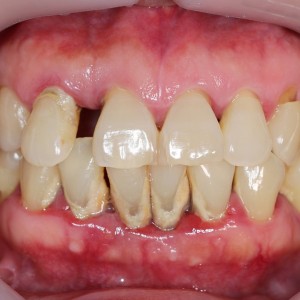
A digital workflow for prosthetic implant rehabilitation can start either from intraoral scans or from the scan of the patient cast models. However, the possibility of scanning oral impressions is...
Oral surgery 23 February 2026

Full-arch rehabilitation has always represented the most challenging work both from the surgical and from the prosthetic aspect. One of the challenges in the treatment of full-arch implant supported...
Read more
Europe 18 October 2026 - 30 November -0001
IDS Cologne 2027 in Cologne: Event Preview and Professional Highlights

The IDS Cologne 2027 will take place from March 16, 2027 to March 20, 2027 in Cologne, Germany, offering dental professionals a focused environment for continuing education, clinical updates and...
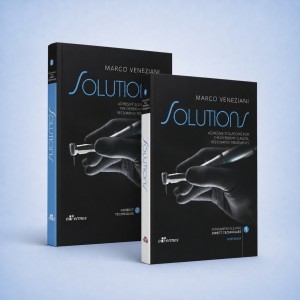
Solutions is an Edra professional dentistry reference focused on clinical practice, education and treatment planning.
Products 16 October 2026
Karen Davis on Philips Sonicare DiamondClean 9900 Prestige & Smarter Brushing

News 16 October 2026
Align Technology to Report Q3 2026 Financial Results October 28

(Nasdaq: ALGN), a leading global medical device company that designs, manufactures, and sells the Invisalign® System of clear aligners, iTero™ intraoral scanners, and exocad™ CAD/C
News 16 October 2026
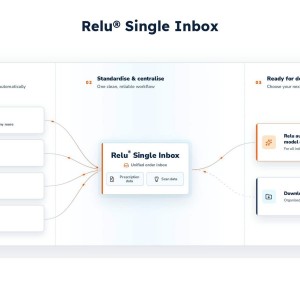
Fewer people on intake, faster turnaround, and no lost cases: Relu’s new automation captures and centralizes every scan and Rx from every source within a minute of arrival



Copyright © 2026 - All Rights Reserved
ISSN 2767-1178