


HPV related tongue papilloma in a 11-year-old girl

OBJECTIVES
HPV is one of the most common sexually transmitted diseases in adults, but the overall prevalence of infection with specific HPV types in children is not well known. Long latency periods, several possible modes of transmission, and varying sensitivity of detection techniques have rendered the management of HPV in children controversial and complicated.
The aim of the present article was to present and discuss a case of 11-year-old girl with a HPV positive oral wart.
MATERIALS AND METHODS
A 11-year-old girl was referred for the assessment of a white verrucous lesion of the anterior third of the tongue. Histological examination following excisional biopsy revealed a squamous papilloma, with pluristratified squamous epithelium characterized by hyperand para-cheratosis. Typical koilocytes were observed too. The papilloma resulted to be HPV 18 positive.
The diagnosis was reported and explained to the mother of the girl, paying attention to two difficult topics that are associated with this condition: sexually transmitted diseases, and tumors. The mother was informed of the frequency and possibility of transmission of HPV infection, highlighting that sexual transmission is the most common, but that there are several other transmission routes.
DISCUSSION
Oral warts usually are caused by HPV types 6, 11, 16 and 18, again suggesting vertical transmission in young children. Horizontal transmission should not be neglected too, as recent studies also suggest that oral HPV infections in infants of HPV-negative mothers could be explained by the horizontal transmission of HPV.
Additionally, infants might theoretically acquire HPV infection from breast milk during breast-feeding, from siblings via kissing, or from other householders, relatives and friends via digital contacts.
The primary goal of treatment is to remove the clinically apparent lesion, and none of the currently available methods is universally effective or curative.
CONCLUSIONS
HPV related papillomas are infrequent in children. A particular attention should be paid to the etiopathogenesis of every single case.
The identification of HPV type is advised.
CLINICAL SIGNIFICANCE
Dental practitioners should be aware of this pathology and may involve pediatrician for a complete and appropriate management of this condition in children.
Authors: Monica Marotta, Paolo Boffano, Martina Ferrillo, Renzo Boldorini, Vincenzo Rocchetti, Mario Migliario
Source: https://www.dentalcadmos.com/
 Related articles
Products 05 November 2025
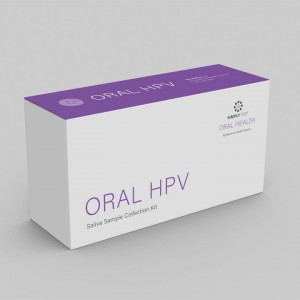
SimplyTest has launched a groundbreaking saliva-based test to detect high-risk strains of oral human papillomavirus (HPV), a major cause of oropharyngeal cancers.
Oral Hygiene & Prevention 17 March 2023

Researchers examined adults’ perceptions about the importance of the human papillomavirus (HPV) vaccine in preventing oropharyngeal cancers and dental care providers’ role in HPV prevention and...
Oral Hygiene & Prevention 05 January 2023
Could oral health care professionals help increase HPV vaccination rates?

Researchers said evidence exists that oral health care professionals are interested in improving vaccine uptake to prevent oropharyngeal cancer.
Oral pathology 13 June 2022
The correlation between the quality of oral hygiene and oral HPV infection in adults

Aim of the study was to detect a possible association between the objectively determined quality of oral hygiene and the presence of oral HPV. MATERIALS AND METHODS In this perspective...
News 09 March 2021

Author: Katherine Pfaff
Compass Laboratory Services has developed an oral rinse to detect high-risk HPV in the oral cavity, OraGen HPV. The human papillomavirus (HPV) is linked to neck...
Read more

Solutions is an Edra professional dentistry reference focused on clinical practice, education and treatment planning.
Products 16 October 2026
Karen Davis on Philips Sonicare DiamondClean 9900 Prestige & Smarter Brushing

News 16 October 2026
Align Technology to Report Q3 2026 Financial Results October 28

(Nasdaq: ALGN), a leading global medical device company that designs, manufactures, and sells the Invisalign® System of clear aligners, iTero™ intraoral scanners, and exocad™ CAD/C
News 16 October 2026

Fewer people on intake, faster turnaround, and no lost cases: Relu’s new automation captures and centralizes every scan and Rx from every source within a minute of arrival
Editorials 16 October 2026

Achievement and service take center stage as the University of Colorado Anschutz School of Dental Medicine honors the Doctor of Dental Surgery (DDS) Class of 2026.



Copyright © 2026 - All Rights Reserved
ISSN 2767-1178