


Comparison between dexmedetomidine and esketamine in pediatric dentistry surgery
Background
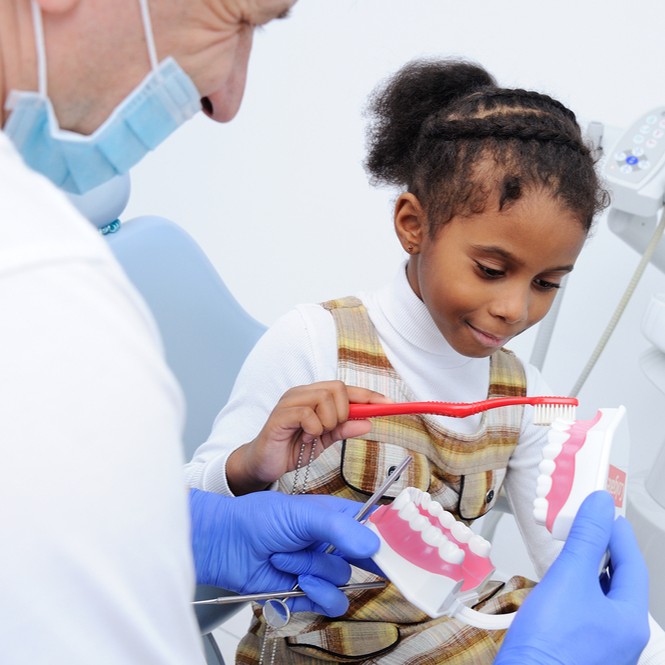
Dexmedetomidine (D) and esketamine (K) are used for the sedation of pediatric dental surgery. This study was designed to compare the effect of intranasal D and K in producing moderate sedation for uncooperative pediatric dental patients.
Methods
This prospective single-center cohort study was conducted at the Maternal and Child Health Hospital of Hubei Province after approval of the Medical Ethics Committee. One hundred and fifty American Society of Anesthesiologists (ASA) grade I and II patients aged 3–10 years who were uncooperative and could not be managed by conventional behavior management techniques were included in this study. Patients were classified into four groups. Group K was administered with esketamine (0.5 mg/kg), and group D was given D1 (1 µg/kg), D2 (1.5 µg/kg), or D3 (2.0 µg/kg) intranasally. The outcome measurements included the sedation level, changes in vital signs, sedation onset and recovery times, analgesia, behavior, and overall success.
Results
The sedation onset time was significantly shorter for K and D3 compared with D1 and D2. The recovery time was fastest in group D1. The overall success rate was highest in group D3, followed by the D2, D1, and K groups; however, the difference between them was not significant. The intra-and postoperative pain scores in the D3 and K groups were significantly lower than those in the D1 group.
Conclusions
Intranasal D and K are effective in producing moderate sedation for uncooperative pediatric dental patients.
Authors: Naixing Xin, Heng Xu, Chengjin Yue
Source: https://pmc.ncbi.nlm.nih.gov/
 Related articles
This study was not funded by any organization or institution or any research grant company.
Digital Dentistry 20 April 2026
To report a fully digital and guided immediate-load All-on-4 protocol conducted in Brazil on a 59-year-old male patient with an edentulous maxilla and a history of oropharyngeal cancer surgery,...
Prosthodontics 01 April 2026
Evidence-based clinical practice is a process of combining research utilization, clinical expertise, and appreciation of the unique needs of patients to achieve better quality of care and improved...
Periodontology 15 December 2025

In dental practice, the successful management of a patient with periodontitis and concurrent diabetes can be challenging.
Oral Hygiene & Prevention 23 October 2025
In healthcare, the need to pay more attention to the achievement of two objectives within the society arises: health promotion and prevention in terms of nutrition, good education, sport, and...
Read more
Products 13 October 2026


New Resources Help Dental Exhibitors Evaluate Their Investment and Explore the Personify ShowFlow™ Trade Show Success System
News 13 October 2026

New patient apps extend The Aspen Group’s mission to remove barriers to care, giving patients greater visibility, convenience, and control from booking through treatment
Editorials 13 October 2026

The forerunner of what’s now Texas A&M College of Dentistry opened 120 years ago in Dallas with the mission of educating dentists to provide quality care to patients in North Texas
Oral pathology 13 October 2026
This peer-reviewed oral pathology article summarizes clinical evidence from Oral oncology (2026). It focuses on findings that may help dental professionals evaluate treatment decisions, patient...



Copyright © 2026 - All Rights Reserved
ISSN 2767-1178