


Oral Hygiene Habits and Use of Fluoride in Developmental Age: Role of Parents and Impact on their Children
Introduction
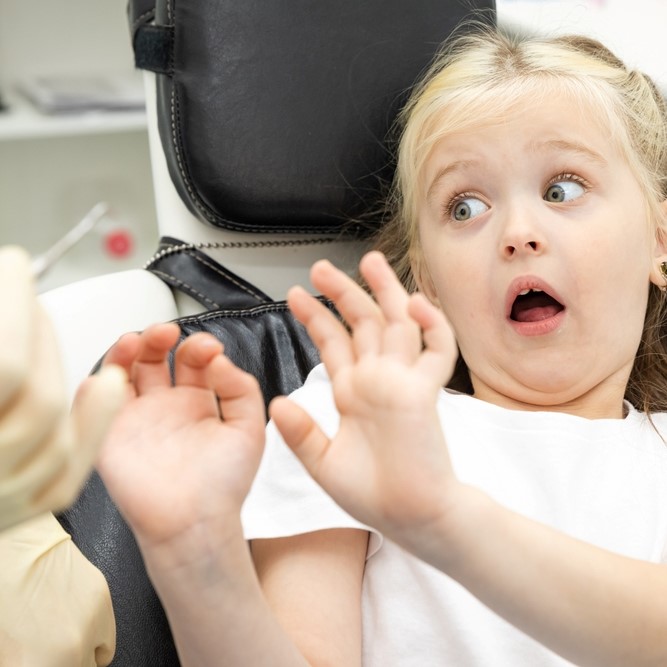
In healthcare, the need to pay more attention to the achievement of two objectives within the society arises: health promotion and prevention in terms of nutrition, good education, sport, and health education. Scientific evidence shows that adequate health standards must be learned since childhood through the help of parents and appropriate school projects. Parental intervention must be appropriate to support the responsibility of their children’s health. In oral health, it has been established for many years that there is a correlation between parental behaviors and lifestyles and children’s attitude. The aim of this study is to verify the close relation between behaviors, habits, lifestyles, and the knowledge of parents about their oral health and, consequently, their focus and care for their own children’s oral health. Furthermore, the awareness of parents about the importance and use of fluorine was to be determined.
Materials and Methods
The study lasted 15 months and was conducted from April 2018 to July 2019: an anonymous 29-question questionnaire was administered to all parents who accompanied their children (aged between 3 and 12 years) going under treatment in the Pediatric Dentistry Unit of the University Hospital Policlinico Umberto I, Rome. Anamnestic data, sociodemographic context (e.g., educational level and occupation), oral health habits, and prevention of parents and children and fluoride knowledge were investigated. The study received ethical approval. 204 questionnaires were collected. The data gathered were recorded with a specifically designed computer program and collected and analyzed using a Microsoft Excel 10 database. Data were evaluated using standard statistical analysis software; descriptive statistics including mean ± SD values and percentage were calculated for each variable. The relationship between the age of parents, between mother or father and the parents’ degree of education levels, and the knowledge for their own children’s oral health was explored using the chi-square test of homogeneity and Fisher’s exact test (P value of < 0.05 considered as statistically significant).
Results
From the acquired data, it is possible to deduce that the major respondents were mothers aged from 36 to 45, while only a small part were fathers aged above 45 years. Questions related to parents’ oral hygiene habits were included in the questionnaire, and from the sample taken into consideration, it emerges that 64.7% of the respondents (67.1% mothers and 57.7% fathers) periodically attend a dental office for a checkup, 20.9% tend to postpone the treatment, and 15.2% go there just for emergency. Some of the questions showed that 80% of the interviewed subjects use fluoride toothpaste for their child’s oral hygiene.
Conclusion
Prevention in childhood, in addition to being synonymous with monitoring the oral health of the child, means first of all to pay attention to parents who are the main behavioral reference. It emerged that there is no adequate knowledge about fluorine, especially when the subjects have a low educational level. A role of fundamental importance for the diffusion of adequate concepts in the field of oral hygiene is covered, according to the data received from the study carried out, by the dentist and dental hygienist.
Authors: Nicola Pranno, Giulia Zumbo, Martina Tranquilli, Luigi Stamegna, Francesca Zara, Iole Vozza
Source: https://onlinelibrary.wiley.com/
 Related articles
Oral Hygiene & Prevention 17 November 2021

Authors: MICHELE NIERI, DALILA MARTINI, MONICA GIANI, UMBERTO PAGLIARO, LORENZO FRANCHI, VALENTINA ROMANELLI
PURPOSE. The aim of the study was to estimate the Hawthorne effect through the patients’ awareness of being observed regarding the detection of bacterial plaque with the use of a periodontal chart...
This study was not funded by any organization or institution or any research grant company.
Digital Dentistry 20 April 2026

To report a fully digital and guided immediate-load All-on-4 protocol conducted in Brazil on a 59-year-old male patient with an edentulous maxilla and a history of oropharyngeal cancer surgery,...
Pediatric dentistry 14 April 2026
Comparison between dexmedetomidine and esketamine in pediatric dentistry surgery
Dexmedetomidine (D) and esketamine (K) are used for the sedation of pediatric dental surgery. This study was designed to compare the effect of intranasal D and K in producing moderate sedation for...
Prosthodontics 01 April 2026
Evidence-based clinical practice is a process of combining research utilization, clinical expertise, and appreciation of the unique needs of patients to achieve better quality of care and improved...
Read more
Products 23 September 2026

New zygomatic implant system brings MegaGen’s BLUEDIAMOND engineering, XPEED® surface technology, and flexible prosthetic solutions to complex full-arch rehabilitation.
News 23 September 2026

Inaugural GPO Partners include Unified Smiles, the Dentist Entrepreneur Organization (DEO), and Dental Purchasing Partners (DPP)
News 23 September 2026
Growing national network helps patients find local dentists trained to provide oral appliance therapy for obstructive sleep apnea.
Editorials 23 September 2026
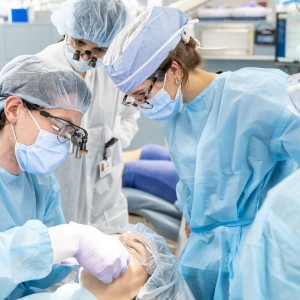
Students recently headed back to class for the current academic year, but Texas A&M College of Dentistry is looking ahead as deadlines approach for the dental Class of 2031 and the
Oral Hygiene & Prevention 23 September 2026
Propolis-containing formulations in caries prevention - a systematic review and meta-analysis.
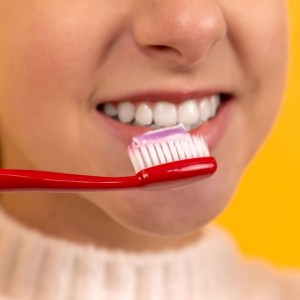
This peer-reviewed oral hygiene & prevention article summarizes clinical evidence from Clinical oral investigations (2026). It focuses on findings that may help dental professionals evaluate...



Copyright © 2026 - All Rights Reserved
ISSN 2767-1178