


Maxillary sinus lift and infectious complications: which antibiotic should we choose?
Lara Figini

Maxillary sinus elevation has been shown to be a safe and effective means of creating adequate vital bone formation for implant placement in pneumatized sinuses,. However, it can sometimes involved intra- and post-operative complications, such as infection, that can affect surgical outcomes. Infection may occur in two ways: infection of the graft situated below the elevated sinus and infection of the sinus itself. When infection appears, antibiotic administration is necessary. What kind of antibiotic to prescribe in these cases?
An antibiogram of the bacterial flora present in the maxillary sinus will provide specific information on which to base effective antibiotic treatment.
MATERIALS AND METHODS
In a study published in Clinical Oral Implants Research in November 2018, the authors used antibiogram to determine a specific and effective antibiotic in each case. in patients undergoing maxillary sinus augmentation surgery. A total of 174 patients (90 women and 84 men) with a mean age of 55.92 years underwent 227 breast augmentation surgeries. As the membrane was lifted, a sample was collected from the maxillary sinus floor with a cotton swab and placed on a blood agar and chocolate agar culture to incubate for 48 h at 37°; the samples then underwent microbiological analysis. The antibiograms were performed for each positive culture to identify the most sensitive antibiotic. Antibiotics have been grouped according to their mechanism of action in:
- beta-lactams (penicillins),
- beta-lactams (cephalosporins),
- macrolides
- quinolones,
- fosfomycin,
- aminoglycosides or trimethoprim-sulfamethoxazole.
RESULTS
Of 227 cultures, 18.1% were bacteria-positive. Of the germs, 45% were of the Streptococcus genus, most of which belonged to the Streptococcus viridans group (61.1%). The germs studied showed greater resistance to macrolides and greater sensitivity to penicillins, cephalosporins, and ciprofloxacin. The antibiotics that showed the greatest efficacy were as follows: ampicillin, amoxicillin–clavulanate, and ciprofloxacin.
CONCLUSIONS
Based on the antibiograms performed in this study, the most effective antibiotics against possible infectious complications in maxillary sinus lift are as follows: ampicillin, amoxicillin- clavulanic acid, and ciprofloxacin.
For additional informations:
The antibiotic of choice by antibiogram in maxillary sinus Elevation surgery: a clinical study.
 Related articles
Oral surgery 25 September 2026
This peer-reviewed oral surgery article summarizes clinical evidence from International journal of oral and maxillofacial surgery (2026). It focuses on findings that may help dental professionals...
Oral surgery 18 September 2026
This peer-reviewed oral surgery article summarizes clinical evidence from International journal of oral and maxillofacial surgery (2025). It focuses on findings that may help dental professionals...
Oral surgery 11 September 2026

This peer-reviewed oral surgery article summarizes clinical evidence from International journal of oral and maxillofacial surgery (2026). It focuses on findings that may help dental professionals...
Oral surgery 03 September 2026
This peer-reviewed oral surgery article summarizes clinical evidence from International journal of oral and maxillofacial surgery (2025). It focuses on findings that may help dental professionals...
Oral surgery 27 August 2026
This peer-reviewed oral surgery article summarizes clinical evidence from International journal of oral and maxillofacial surgery (2026). It focuses on findings that may help dental professionals...
Read more
Europe 27 September 2026 - 30 November -0001
Digital Dentistry Society Global Congress 2026: Event Preview and Professional Highlights

The Digital Dentistry Society Global Congress 2026 will take place from October 22, 2026 to October 24, 2026 in TBD, Rotating Europe, offering dental professionals a focused environment for...
Editorials 27 September 2026
Dentistry33 survey highlights replacement care, deep caries and evolving restorative workflows
Reader survey finds direct composites remain dominant, secondary caries is the leading reason for restoration replacement, and clinicians want more training in pulp preservation
Reader survey finds direct composites remain dominant, secondary caries is the leading reason for restoration replacement, and clinicians want more training in pulp preservation
Edra Professional Books 26 September 2026
Manual of oral surgery: A Practical Reference for Dental Professionals
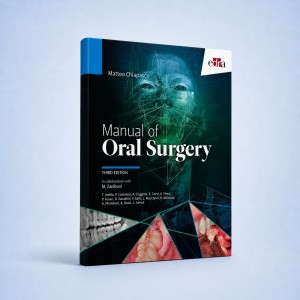
Manual of oral surgery is an Edra professional dentistry reference focused on clinical practice, education and treatment planning.
Products 25 September 2026
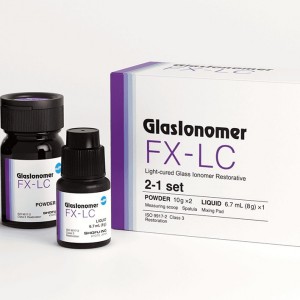
Shofu Dental’s line of dental restorative materials now includes FX-LC, a next-generation, light-cure, resin-reinforced glass ionomer formulated to deliver high strength, efficient 4
News 25 September 2026

The scholarships are part of an ongoing workforce solutions strategy to help address the need for skilled dental hygienists



Copyright © 2026 - All Rights Reserved
ISSN 2767-1178