


Retrospective evaluation of clinical outcome of periapical surgery in endodontic and oral surgery units of a dental hospital.

Background Periapical surgery is a critical intervention in the management of persistent periapical pathologies when conventional endodontic treatments fail. This retrospective study aims to evaluate the clinical outcomes of periapical surgeries performed in the Endodontic and Oral Surgery units of a dental hospital, highlighting success rates and influencing factors.
Materials and Methods The study retrospectively analyzed records of 150 patients who underwent periapical surgery between January 2018 and December 2023. Data were collected on patient demographics, type of lesion, surgical technique, materials used (root-end filling and sealing agents), and post-operative follow-ups at 6 months and 12 months. Outcome measures included resolution of symptoms, radiographic evidence of healing, and recurrence of lesions.
Statistical analysis was conducted using chi-square and logistic regression tests to assess factors influencing surgical success. Results Among the 150 cases, 120 (80%) demonstrated complete radiographic healing at the 12-month follow-up. Partial healing was observed in 20 cases (13.3%), and 10 cases (6.7%) showed persistent or recurrent lesions. The use of bioceramic materials as root-end filling was associated with a significantly higher success rate (90%) compared to amalgam (70%) and glass ionomer cement (75%) (p < 0.05). Patient factors such as age and systemic health conditions influenced healing outcomes, with younger patients showing better prognosis.
Conclusion Periapical surgery is an effective treatment for managing periapical pathologies, with a high success rate when advanced materials and techniques are employed.
Bioceramic materials significantly enhance surgical outcomes. Patient-specific factors should be considered to optimize success rates. Further prospective studies are recommended for more robust evidence.
Authors: Behera, Subasish; Nanda, Soumyaranjan; Karande, Vikram; Maddukuri, Tejaswi; Patel, Rushit; Makkad, Ramanpal Singh
Source: https://openurl.ebsco.com/
 Tag
Tag
Related articles
Periodontology 26 February 2026

A new classification of periodontal diseases aimed to identify periodontal disease based on a multidimensional staging and grading system has been recently proposed.
Oral Hygiene & Prevention 19 February 2026

This study evaluated the strength of the association between three widely used clinical indexes considered as distal behavioural indicators of attitude-related oral status and secondary implant...
Endodontics 23 December 2025
Serious consequences of endodontics phlegmons and abscesses of the neck: a retrospective study

In the last years there has been an alarming increase in number of patients admitted to the emergency room (E.R.) with the diagnosis of neck abscesses and phlegmons of odontogenic origin requiring...
Pediatric dentistry 28 November 2025
Retrospective Review of Pediatric Oral Lesions from a Dental School Biopsy Service
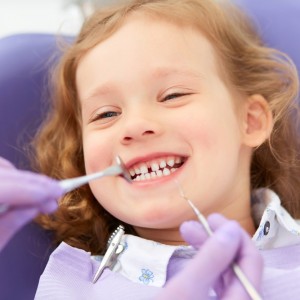
This report presents a review of the results from 5457 biopsies of patients, 0-16 years of age, received over 15 years at the University of the Pacific School of Dentistry

Read more
Europe 27 September 2026 - 30 November -0001
Digital Dentistry Society Global Congress 2026: Event Preview and Professional Highlights

The Digital Dentistry Society Global Congress 2026 will take place from October 22, 2026 to October 24, 2026 in TBD, Rotating Europe, offering dental professionals a focused environment for...
Editorials 27 September 2026
Dentistry33 survey highlights replacement care, deep caries and evolving restorative workflows
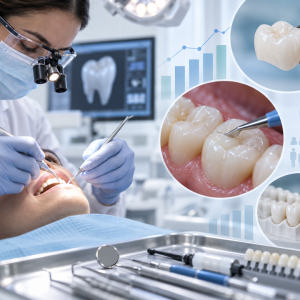
Reader survey finds direct composites remain dominant, secondary caries is the leading reason for restoration replacement, and clinicians want more training in pulp preservation
Reader survey finds direct composites remain dominant, secondary caries is the leading reason for restoration replacement, and clinicians want more training in pulp preservation
Edra Professional Books 26 September 2026
Manual of oral surgery: A Practical Reference for Dental Professionals
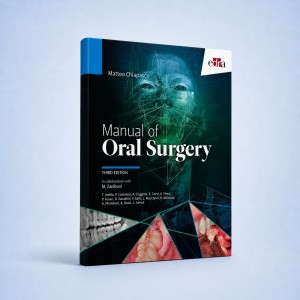
Manual of oral surgery is an Edra professional dentistry reference focused on clinical practice, education and treatment planning.
Products 25 September 2026
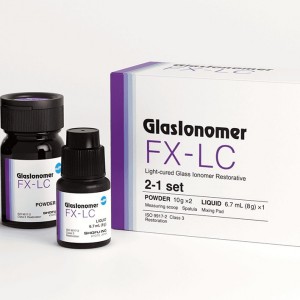
Shofu Dental’s line of dental restorative materials now includes FX-LC, a next-generation, light-cure, resin-reinforced glass ionomer formulated to deliver high strength, efficient 4
News 25 September 2026

The scholarships are part of an ongoing workforce solutions strategy to help address the need for skilled dental hygienists



Copyright © 2026 - All Rights Reserved
ISSN 2767-1178