


The impact of physical adjunctive interventions on outcomes of clear aligner treatment: A systematic review of randomized controlled trials.
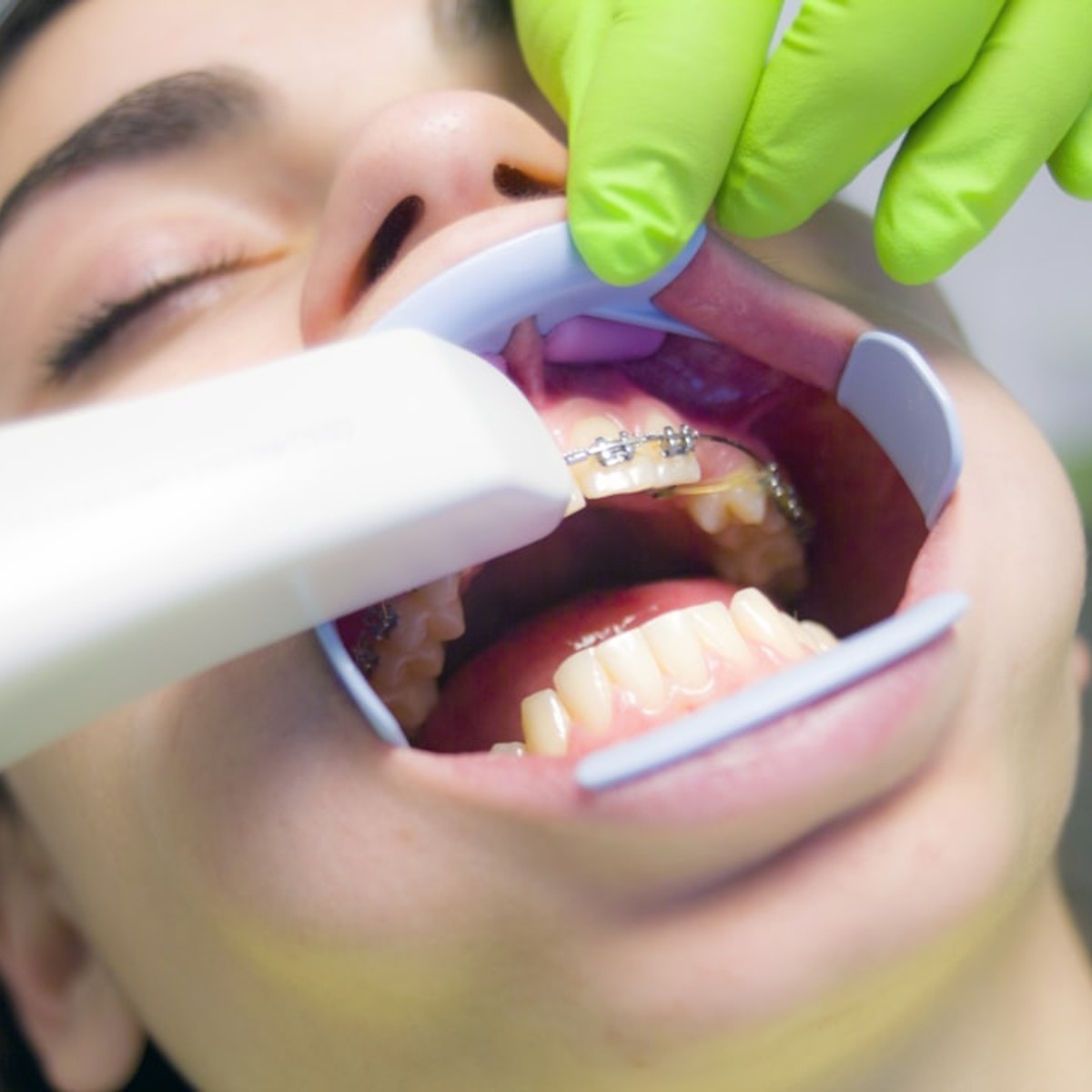
This peer-reviewed orthodontics article summarizes clinical evidence from PloS one (2026). It focuses on findings that may help dental professionals evaluate treatment decisions, patient outcomes, or clinical protocols.
Abstract
INTRODUCTION: Physical adjunctive interventions (PAIs), including vibration devices and low-level laser therapy, are promoted to accelerate tooth movement, improve aligner tracking, and reduce discomfort in clear aligner treatment (CAT), but randomized evidence remains inconsistent. This systematic review aimed to assess whether PAIs improve CAT outcomes in terms of objective tooth-movement metrics, aligner tracking, overall treatment efficiency, and patient-centered outcomes, and to appraise the risk of bias and the certainty of the evidence at the outcome level.
METHODS: Comprehensive electronic searches of PubMed, Embase, Scopus, Web of Science, and CENTRAL were conducted from database inception (earliest available indexing date in each database) to 30 June 2025 (coverage cut-off). Grey literature searching and hand-searching were also performed, with no restrictions on language or publication status. Eligible studies were human randomized controlled trials (RCTs) comparing CAT combined with PAIs versus CAT alone or sham interventions. Two independent reviewers performed study selection and data extraction, with risk of bias assessed using the Cochrane RoB 2 tool and certainty of evidence appraised with GRADE. Random-effects meta-analyses were conducted when feasible; otherwise, results were narratively summarized. The protocol was prospectively registered (PROSPERO CRD420251132229).
RESULTS: Seven RCTs involving 266 participants were included. No significant improvement in Little's Irregularity Index (maxilla MD = 0.08, p = 0.869; mandible MD = 0.44, p = 0.487). Vibration improved aligner tracking under a 7-day change schedule (p = 0.003) but not case completion (p = 0.999). Overall compliance was approximately 77%, and no between-group difference was observed (p = 0.390). Pain was slightly lower on days 1-3 only (p < 0.05); no quality-of-life benefits were observed; periodontal indices remained unchanged; biomarkers showed inconsistent results. The certainty of evidence was low to very low, suggesting that further well-designed RCTs are likely to change the effect estimates and may alter the conclusions.
CONCLUSIONS: Across objective tooth-movement metrics, aligner tracking, treatment efficiency, and patient-centered outcomes, current randomized evidence does not demonstrate a consistent benefit of physical adjunctive interventions in clear aligner treatment. Interpretation is limited by outcome-level risk of bias concerns and low to very low certainty of evidence.
Key takeaway
Key takeaway: This review-level evidence helps clinicians interpret the consistency and strength of available clinical findings in this topic area.
Introduction from full text
Randomised controlled trials, when appropriately designed, conducted, and reported, represent the gold standard in evaluating healthcare interventions. However, randomised trials can yield biased results if they lack methodological rigour. 1 To assess a trial accurately, readers of a published report need complete, clear, and transparent information on its methodology and findings. Unfortunately, attempted assessments frequently fail because authors of many trial reports neglect to provide lucid and complete descriptions of that critical information. 2 3 4
That lack of adequate reporting fuelled the development of the original CONSORT (Consolidated Standards of Reporting Trials) statement in 1996 5 and its revision five years later. 6 7 8 While those statements improved the reporting quality for some randomised controlled trials, 9 10 many trial reports still remain inadequate. 2 Furthermore, new methodological evidence and additional experience has accumulated since the last revision in 2001. Consequently, we organised a CONSORT Group meeting to update the 2001 statement. 6 7 8 We introduce here the result of that process, CONSORT 2010.
Peer-reviewed source
Mohamad Radwan Sirri, Mohammad Osama Namera, Mohamad Yaman Salahi Alasbahi
PloS one. 2026
DOI: 10.1136/bmj.c332
PMID: 41950291
PubMed: https://pubmed.ncbi.nlm.nih.gov/41950291/
Image: Quang Tri NGUYEN (Unsplash)
 Related articles
Orthodontics 21 August 2026
This peer-reviewed orthodontics article summarizes clinical evidence from Dental press journal of orthodontics (2026). It focuses on findings that may help dental professionals evaluate treatment...
Products 07 August 2026
Partnership with Eversmile makes o scillating s ystem available through HSO in the United States.
Orthodontics 07 August 2026
This peer-reviewed orthodontics article summarizes clinical evidence from Dental press journal of orthodontics (2026). It focuses on findings that may help dental professionals evaluate treatment...
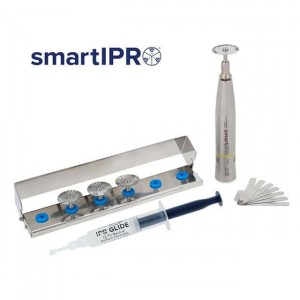
Partnership with Eversmile makes o scillating s ystem available through HSO in the United States.
Orthodontics 25 June 2026
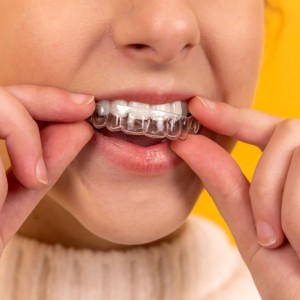
This peer-reviewed orthodontics article summarizes clinical evidence from PloS one (2026). It focuses on findings that may help dental professionals evaluate treatment decisions, patient outcomes, or...
Read more
Europe 27 September 2026 - 30 November -0001
Digital Dentistry Society Global Congress 2026: Event Preview and Professional Highlights

The Digital Dentistry Society Global Congress 2026 will take place from October 22, 2026 to October 24, 2026 in TBD, Rotating Europe, offering dental professionals a focused environment for...
Editorials 27 September 2026
Dentistry33 survey highlights replacement care, deep caries and evolving restorative workflows
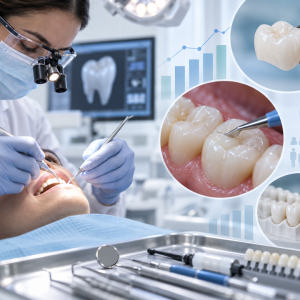
Reader survey finds direct composites remain dominant, secondary caries is the leading reason for restoration replacement, and clinicians want more training in pulp preservation
Reader survey finds direct composites remain dominant, secondary caries is the leading reason for restoration replacement, and clinicians want more training in pulp preservation
Edra Professional Books 26 September 2026
Manual of oral surgery: A Practical Reference for Dental Professionals
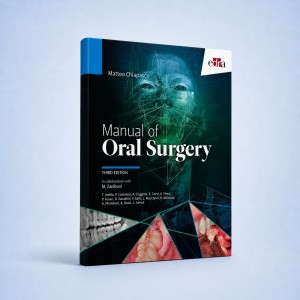
Manual of oral surgery is an Edra professional dentistry reference focused on clinical practice, education and treatment planning.
Products 25 September 2026
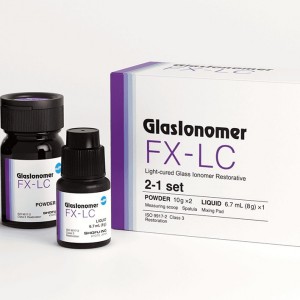
Shofu Dental’s line of dental restorative materials now includes FX-LC, a next-generation, light-cure, resin-reinforced glass ionomer formulated to deliver high strength, efficient 4
News 25 September 2026

The scholarships are part of an ongoing workforce solutions strategy to help address the need for skilled dental hygienists


Copyright © 2026 - All Rights Reserved
ISSN 2767-1178