


Endodontic retreatment of teeth with uncertain endodontic prognosis versus dental implants: 5-year results from a randomised controlled trial
Authors: Marco Esposito, Luca Sbricoli, Jacopo Buti, Umberto Uccioli, Marco Tallarico

PURPOSE. To ascertain whether it is better to endodontically retreat a previously endodontically treated tooth with periapical pathology and/or symptoms and an uncertain prognosis, or to replace the tooth with a single implant-supported crown.
MATERIALS AND METHODS. Twenty patients requiring treatment of a previously endodontically treated tooth with periapical pathology and/or symptoms of endodontic origin and an uncertain prognosis, as judged by the recruiting investigator, were randomly allocated to endodontic retreatment (endo group; 10 patients) or tooth extraction and replacement with an implant-supported crown (implant group; 10 patients) according to a parallel-group design at a single centre. Patients were followed up to 5 years after treatment completion. Outcome measures were: procedure failure; complications; marginal bone level changes at both teeth and implants; radiographic endodontic success (teeth only); number of patient visits and days to complete treatment; chairside time; costs; and aesthetics, as assessed using the pink aesthetic score (PES) for the soft tissues and the white aesthetic score (WES) for the tooth/crown by independent assessors.
RESULTS. One patient from the endo group dropped out. One endodontically retreated tooth fractured. There were no statistically significant differences in treatment failure between groups (difference in proportions = 0.1; 95% CI -0.18 to 0.35; P = 1.00). Three endo group patients had one complication each versus one complication in the implant group, the difference not being statistically significant (difference in proportions = 0.2; 95% CI -0.17 to 0.51; P = 0.582). The mean marginal bone levels at endo retreatment/implant insertion were 2.10 ± 0.66 mm for the endo and 0.05 ± 0.15 mm for the implant group. Five years after treatment completion, teeth lost on average 0.60 ± 0.96 mm and implants 0.56 ± 0.77 mm, the difference not being statistically significant (mean difference = -0.05 mm; 95% CI: -0.95 to 0.86; P = 0.914). Of the four teeth that originally showed periapical radiolucency, one was lost, two displayed complete healing, and one showed radiographic improvement. There were no statistically significant differences in the number of patient visits (endo = 6.7 ± 0.7; implant = 6.1 ± 0.7; mean difference = 0.6; 95% CI: -0.1 to 1.3 P = 0.106). However, it took significantly more days (endo = 61 ± 13.0; implant = 191.4 ± 75.0; mean difference = -130.4; 95% CI: -184.5 to -76.4; P < 0.001) but less chairside time (endo = 628 ± 41.4 min; implant = 328.5 ± 196.4 min; mean difference = -299.5; 95% CI: -441.3 to 1.0; P = < 0.001) to complete implant rehabilitation. Implant treatment was significantly more expensive (endo = 1440 ± €549.7; implant = 2099 ± €170.3; mean difference = 659; 95% CI: 257.2 to 1060.8; P = 0.004).
Five years after treatment completion, mean PES were 12.3 ± (1.3) and 8.9 ± 2.2 and mean WES were 8.1 ± 1.4 and 7.1 ± 1.7 in the endo group and implant group, respectively. Soft tissues aesthetics (PES) was significantly better at endodontically retreated teeth (mean difference -3.4; 95% CI -5.1 to -1.6; P (t-test) = 0.001), whereas no significant differences were observed between treatments in tooth aesthetics (WES) (mean difference = -1.0; 95% CI -2.6 to 0.5; P (t-test) = 0.178).
CONCLUSIONS. These results suggest that both endodontic retreatment and replacement of previously endodontically treated teeth with persistant pathology and dubious endodontic prognosis yielded similar short-term success rates. Soft tissue aesthetics and treatment completion time were better with endodontic retreatment, whereas implant rehabilitation required half the chairside time but was significantly more expensive. Much larger patient populations and longer follow-ups are needed to fully explore this issue, but this study indicated the less invasive endodontic retreatment as the primary therapeutic option.
 Related articles
Endodontics 17 February 2026
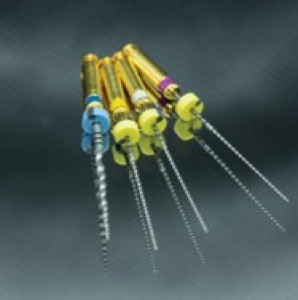
Treatment options for endodontic failure include nonsurgical or surgical endodontic retreatment, intentional replantation, and extraction with or without replacement of the tooth.
Endodontics 08 October 2022
The access cavity in retreatments: redefinition and management of iatrogenic errors

By Alessandro Fava
Endodontic retreatments often represent a fundamental crossroads for the fate of the single dental element. Even more so, when dealing with a multidisciplinary treatment plan, endodontic success can...
Endodontics 26 August 2022

Is it better to try to preserve a dental element with every possible means or to place an osseointegrated implant? There is a great variability of response...
Oral surgery 04 July 2022
Evaluation of the effectiveness of apicoectomy performed with the microscope: a retrospective study

Authors: Christian Bacci, Luca Donolato, Alessia Cerrato, Gastone Zanette
Apical post-treatment pathology can jeopardize the success of endodontic treatment. Various alternatives must be taken into account to promote periapical healing: orthograde retreatment, which is...
Endodontics 16 May 2022
Evaluation of periapical surgery under operative microscope: a retrospective study

Authors:Christian Bacci, Luca Donolato, Alessia Cerrato, Gastone Zanette
Apical post-treatment pathology can jeopardize the success of endodontic treatment. If periapical pathology develops the orthograde retreatment is considered the treatment of choice whenever...
Read more
News 19 October 2026

Milestone achieved approximately two years after full commercial launch reflects growing surgeon adoption and expanding use of EnFix across orthopedic sports medicine applications.
Editorials 19 October 2026
Expanded coverage: Texas A&M’s Plemons named 2026 Texas Dentist of the Year

Sometimes a small act of generosity can make a tremendous impression, especially on a 7-year-old.
Endodontics 19 October 2026
This peer-reviewed endodontics article summarizes clinical evidence from International endodontic journal (2026). It focuses on findings that may help dental professionals evaluate treatment...
Endodontics 19 October 2026
This peer-reviewed endodontics article summarizes clinical evidence from BMC oral health (2026). It focuses on findings that may help dental professionals evaluate treatment decisions, patient...
Products 19 October 2026




Copyright © 2026 - All Rights Reserved
ISSN 2767-1178