


Evaluation of postoperative pain associated with different working length determination methods: a randomised clinical study.
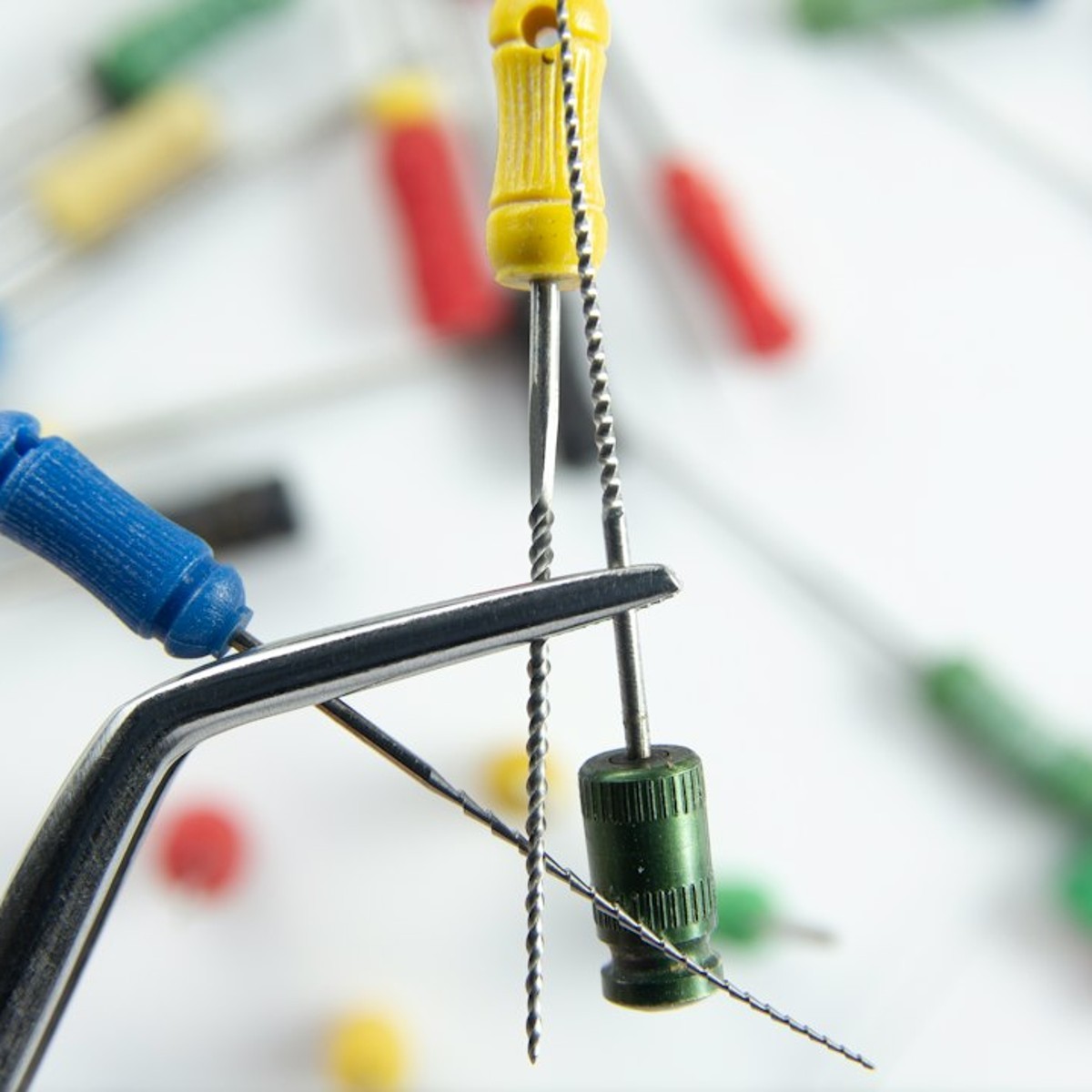
This peer-reviewed endodontics article summarizes clinical evidence from BMC oral health (2026). It focuses on findings that may help dental professionals evaluate treatment decisions, patient outcomes, or clinical protocols.
Abstract
BACKGROUND: Postoperative pain is a common concern in endodontic treatment. In teeth with asymptomatic irreversible pulpitis, accurate working length determination is critical for effective root canal therapy and may influence postoperative discomfort. This study compared postoperative pain following root canal treatment in teeth with asymptomatic irreversible pulpitis when working length was determined using one of four electronic apex locators or periapical radiography.
METHODS: A total of 125 patients with asymptomatic irreversible pulpitis in single-rooted, single-canal teeth were included in the analysis. Patients were randomly assigned to five groups according to the working length determination method: Root ZX, Propex Pixi, Woodpex III, Raypex 6, or periapical radiography. A single clinician performed standardised root canal treatment in a single visit. Pain was assessed using the visual analogue scale at 6, 12, 24, and 48 hours postoperatively, and analgesic intake was recorded.
RESULTS: Postoperative pain gradually decreased over time in all groups. No statistically significant differences in postoperative pain were observed among the five working length determination methods at any postoperative assessment time point (all P > 0.05). Furthermore, postoperative pain was not significantly associated with age, sex, tooth location, and analgesic intake did not differ significantly among the groups.
CONCLUSION: Under the standardised clinical conditions of this randomised clinical trial, the method used for working length determination did not significantly influence postoperative pain after single-visit root canal treatment in patients with asymptomatic irreversible pulpitis.
TRIAL REGISTRATION: This study was retrospectively registered at ClinicalTrials.gov (Identifier: NCT07271797) on November 16, 2025. However, the study protocol, eligibility criteria, primary and secondary outcome measures, and statistical analysis plan were established before patient enrolment.
Key takeaway
Key takeaway: Because the evidence comes from a clinical trial design, the findings may be especially useful when comparing treatment approaches in daily practice.
Introduction from full text
Pain experiences and pain management are influenced by a complex interplay of physiological, hormonal, and psychological factors. Increasing evidence reveals significant sex differences in pain experiences, with women exhibiting a higher prevalence of both acute and chronic pain conditions, as well as greater levels of pain-related disability than men [ 1 , 2 , 3 ]. These disparities are attributed to both biological and psychosocial characteristics, including hormonal fluctuations, reproductive physiology [ 4 , 5 ], and emotional responses to pain [ 6 , 7 ]. Hormonal changes—particularly fluctuations in estrogen and progesterone levels throughout the menstrual cycle, pregnancy, and menopause—play a crucial role in modulating pain thresholds and influencing the effectiveness of pain-relieving treatments, including analgesics (which alleviate pain without affecting consciousness) and anesthetics (which block pain sensation, often by temporarily inducing loss of sensation or consciousness) [ 4 , 8 , 9 ]. Namely, estrogen can increase pain thresholds; however, reduced progesterone levels are associated with heightened pain sensitivity. As such, fluctuations in estrogen levels promote inflammation, which subsequently amplifies pain perception in females. In contrast, progesterone exerts protective effects by enhancing the expression of gamma-aminobutyric acid (GABA) in the brain [ 5 ].
Reproductive transitions, including the menstrual cycle, pregnancy, and menopause, further affect pain perception treatment response. For instance, hormonal shifts during the menstrual cycle can alter pain sensitivity and medication efficacy [ 5 , 8 ], while pregnancy presents unique challenges due to the contraindications of many pharmacological treatments [ 10 ]. In addition, postmenopausal women frequently experience chronic pain conditions, such as those associated with osteoporosis, requiring tailored adjustments in pain management strategies [ 5 , 11 ], as postmenopausal women often exhibit lower pain thresholds due to the decline in estrogen and progesterone levels [ 5 ].
Psychosocial factors add an additional layer of complexity, as women often experiencing higher levels of anxiety, depression, and emotional distress related to pain [ 6 , 12 , 13 , 14 ]. These factors not only influence the perception of pain but also affect the outcomes of pain management interventions. These factors can heighten the perception of pain through several mechanisms. For instance, anxiety and depression are associated with increased attentional focus on pain, reduced pain tolerance, and altered pain modulation pathways in the central nervous system. Emotional distress can amplify pain signals by increasing physiological arousal and reducing the effectiveness of endogenous pain inhibitory systems [ 15 , 16 , 17 , 18 ]. As a result, women may report more intense pain and respond differently to pain management interventions. Holistic care approaches that integrate both the biological and psychosocial dimensions of pain have shown potential in improving outcomes for women, yet their implementation remains inconsistent [ 19 ], often due to systemic barriers such as lack of interdisciplinary coordination, insufficient provider training, and limited healthcare resources [ 16 , 20 ]. Moreover, much of the existing literature focuses on general populations, with relatively few studies examining gender-specific adaptations or evaluating long-term outcomes in women [ 21 ]. This gap underscores the need for targeted research and practice models that address the unique biopsychosocial pain experiences of women, promoting more equitable and effective pain management [ 22 ].
Despite these differences, current anesthesiologic and pain management practices are often insufficiently tailored to address the distinct needs of women, leading to suboptimal outcomes and disparities in care [ 23 , 24 ].
This narrative review aims to identify the unique factors required for optimizing pain management in women. By focusing on hormonal influences, reproductive transitions, psychosocial factors, and current intervention strategies, we aim to highlight how acknowledging these variables can support more tailored treatments, ultimately contributing to the reduction of disparities by ensuring that women receive pain care that reflects their specific needs rather than a one-size-fits-all approach.
Peer-reviewed source
Gamze Nalci Calik, Betül Aycan Alim Uysal, Fatma Begüm Peker, Mehmet Burak Guneser
BMC oral health. 2026
DOI: 10.3390/jcm14103427
PMID: 42698074
PubMed: https://pubmed.ncbi.nlm.nih.gov/42698074/
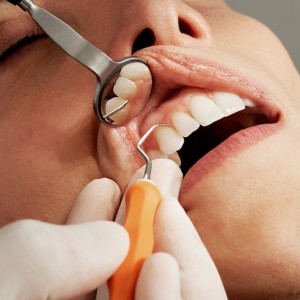
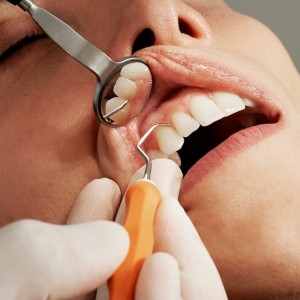
Image: Ozkan Guner (Unsplash)
 Related articles
Endodontics 12 October 2026
This peer-reviewed endodontics article summarizes clinical evidence from Journal of dentistry (2026). It focuses on findings that may help dental professionals evaluate treatment decisions, patient...
Endodontics 05 October 2026
This peer-reviewed endodontics article summarizes clinical evidence from Journal of dentistry (2026). It focuses on findings that may help dental professionals evaluate treatment decisions, patient...
Endodontics 01 October 2026
This peer-reviewed endodontics article summarizes clinical evidence from International endodontic journal (2026). It focuses on findings that may help dental professionals evaluate treatment...
Endodontics 28 September 2026
This peer-reviewed endodontics article summarizes clinical evidence from Journal of dentistry (2026). It focuses on findings that may help dental professionals evaluate treatment decisions, patient...
Endodontics 21 September 2026
This peer-reviewed endodontics article summarizes clinical evidence from Journal of dentistry (2026). It focuses on findings that may help dental professionals evaluate treatment decisions, patient...
Read more
News 19 October 2026

Milestone achieved approximately two years after full commercial launch reflects growing surgeon adoption and expanding use of EnFix across orthopedic sports medicine applications.
Editorials 19 October 2026
Expanded coverage: Texas A&M’s Plemons named 2026 Texas Dentist of the Year

Sometimes a small act of generosity can make a tremendous impression, especially on a 7-year-old.
Endodontics 19 October 2026
This peer-reviewed endodontics article summarizes clinical evidence from International endodontic journal (2026). It focuses on findings that may help dental professionals evaluate treatment...
Products 19 October 2026

Europe 18 October 2026 - 30 November -0001
IDS Cologne 2027 in Cologne: Event Preview and Professional Highlights

The IDS Cologne 2027 will take place from March 16, 2027 to March 20, 2027 in Cologne, Germany, offering dental professionals a focused environment for continuing education, clinical updates and...



Copyright © 2026 - All Rights Reserved
ISSN 2767-1178