


Endodontics VS Implantology
Simona Chirico

Is it better to try to preserve a dental element with every possible means or to place an osseointegrated implant? There is a great variability of response from clinicians on how to deal with non vital tooth with a questionable prognosis.
Nowadays, dental implant placement is a widely accepted treatment option, and it is supported by high survival rates. However, there are many factors that can affect the result of implant treatment like implant position, restoration type, bone quality, and smoking habits. So our decision should be based on the remnant tooth structure and prognosis. It’s difficult to compare endodontics and implantology, because they have different outcomes. When we talk about endodontics, we dealt with “success” of a root canal treatment/retreatment/apical surgery and it is defined by complete radiographic healing and the absence of clinical signs and symptoms. Instead, the majority of studies on dental implants refer to “survival” rates. So Which is the best treatment option for a pulpally involved tooth? Chércoles-Ruiz et al. tried to give an answer in their study.
MATERIALS AND METHODS
An electronic search was conducted in the Cochrane, PubMed (MEDLINE), and ScienceDirect databases be- tween December 2015 and February 2016. A manual search was also performed. The inclusion criteria were randomized clinical trials, prospective or retrospective cohort studies, and cross-sectional studies performed on humans with at least 1 year of follow-up and pub- lished within the last 10 years. Two researchers indepen- dently screened the title and abstract of every article identified in the search in order to establish its eligibility. The selected articles were classified into different levels of evidence by means of the Strength of Recommendation Taxonomy criteria.
RESULTS
The success rate of endodontic treatment varies from 42.1%–86% after 2 to 10 years and from 84.1%–88.6% after 4 to 10 years for endodontic retreatment. The majority of studies do not specify assessment criteria.
The apical surgery success rate ranges from 59.1%–93% after 1 to 10 years, and the most used assessment criteria is based on radiologic criteria. The survival rate of dental implants varies from 91.8%–100% after 1 to 10 years. None of the selected articles have assessed the success rates. No apparent differences on survival rates were noted depending on the time of placement.
No important differences between both treatments can be observed until after 8 years of follow-up.
CONCLUSIONS
The endodontic treatment and the implant placement are both valid and complementary options for planning oral rehabilitation. Although:
these results come from retrospective comparative studies because there is a lack of randomized clinical studies comparing both types of therapeutic options;
Studies on dental implants are less demanding than those studies on endodontics because the majority of them only provide information on survival and not success rates.
Therefore, if we really wanted to compare the two methods, we should produce studies in which the same outcomes are set and evaluated over time.
(Photocredit: Prof. Massimo Gagliani)
For additional informations:
Endodontics, Endodontic Retreatment, and Apical Surgery Versus Tooth Extraction and Implant Placement: A Systematic Review
 Related articles
Endodontics 12 October 2026
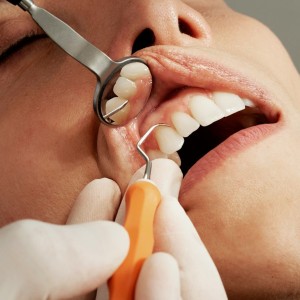
This peer-reviewed endodontics article summarizes clinical evidence from Journal of dentistry (2026). It focuses on findings that may help dental professionals evaluate treatment decisions, patient...
Endodontics 05 October 2026
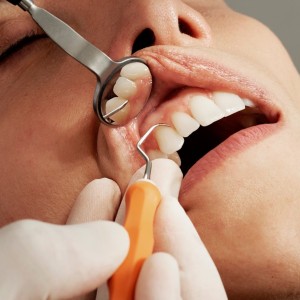
This peer-reviewed endodontics article summarizes clinical evidence from Journal of dentistry (2026). It focuses on findings that may help dental professionals evaluate treatment decisions, patient...
Endodontics 01 October 2026
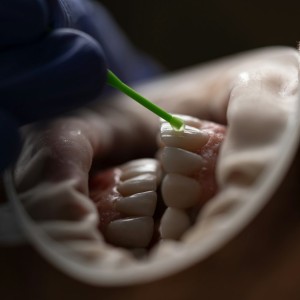
This peer-reviewed endodontics article summarizes clinical evidence from International endodontic journal (2026). It focuses on findings that may help dental professionals evaluate treatment...
Endodontics 28 September 2026
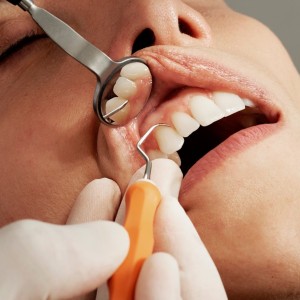
This peer-reviewed endodontics article summarizes clinical evidence from Journal of dentistry (2026). It focuses on findings that may help dental professionals evaluate treatment decisions, patient...
Endodontics 21 September 2026
This peer-reviewed endodontics article summarizes clinical evidence from Journal of dentistry (2026). It focuses on findings that may help dental professionals evaluate treatment decisions, patient...
Read more
Products 14 October 2026
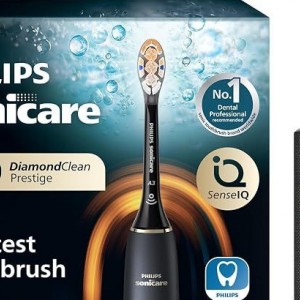
Royal Philips (NYSE: PHG, AEX: PHIA) announced that the Philips Sonicare Next-Generation DiamondClean 9900 Prestige, its most advanced and intelligent toothbrush to date, is now av

Key transaction by Heartland Dental and its supported practices expands opportunities for supported doctors, teams, and practices while strengthening Heartland Dental’s supported f
News 14 October 2026
Henry Schein Cares Celebrates 25 Years of Corporate Citizenship

Henry Schein Cares, Henry Schein, Inc.’s global corporate citizenship program, is celebrating a quarter century of bringing together Team Schein Members, customers, supplier partne
Editorials 14 October 2026
Scholarship at the CU Anschutz School of Dental Medicine reflects the collective contributions of our faculty, staff, residents and students.
Oral Hygiene & Prevention 14 October 2026
Propolis-containing formulations in caries prevention - a systematic review and meta-analysis.
This peer-reviewed oral hygiene & prevention article summarizes clinical evidence from Clinical oral investigations (2026). It focuses on findings that may help dental professionals evaluate...


Copyright © 2026 - All Rights Reserved
ISSN 2767-1178