


Prosthetic and Conservative Rehabilitation with 3 step technique: a clinical case
Franco De Chiesa
The patient M. D. (years 52) comes to our observation showing the need to improve in a less invasive way his dental situation that has deteriorated over the years, alarmed by the pigmentation and wear of the front group (fig 1,2,3).
The general anamnesis is negative, while the dental history presents: grinding and nocturnal lock, chewing problems, cigarette smoke (30 a day), frequent use of mate grass (infusion). These habits have generated over the years a problem of abrasion and reduction of the upper and lower incisal length and slight collapse of the perilabial soft tissues with consequent functional problems (reduced masticatory capacity) and aesthetic problems (dyschromia, reduced incisor length).
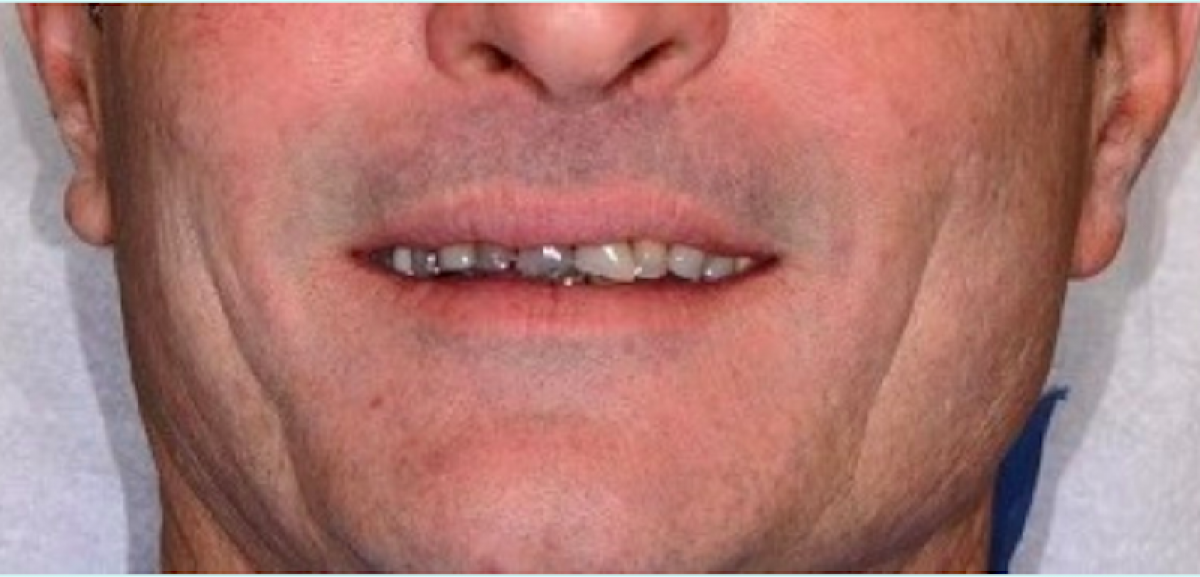
Fig.1
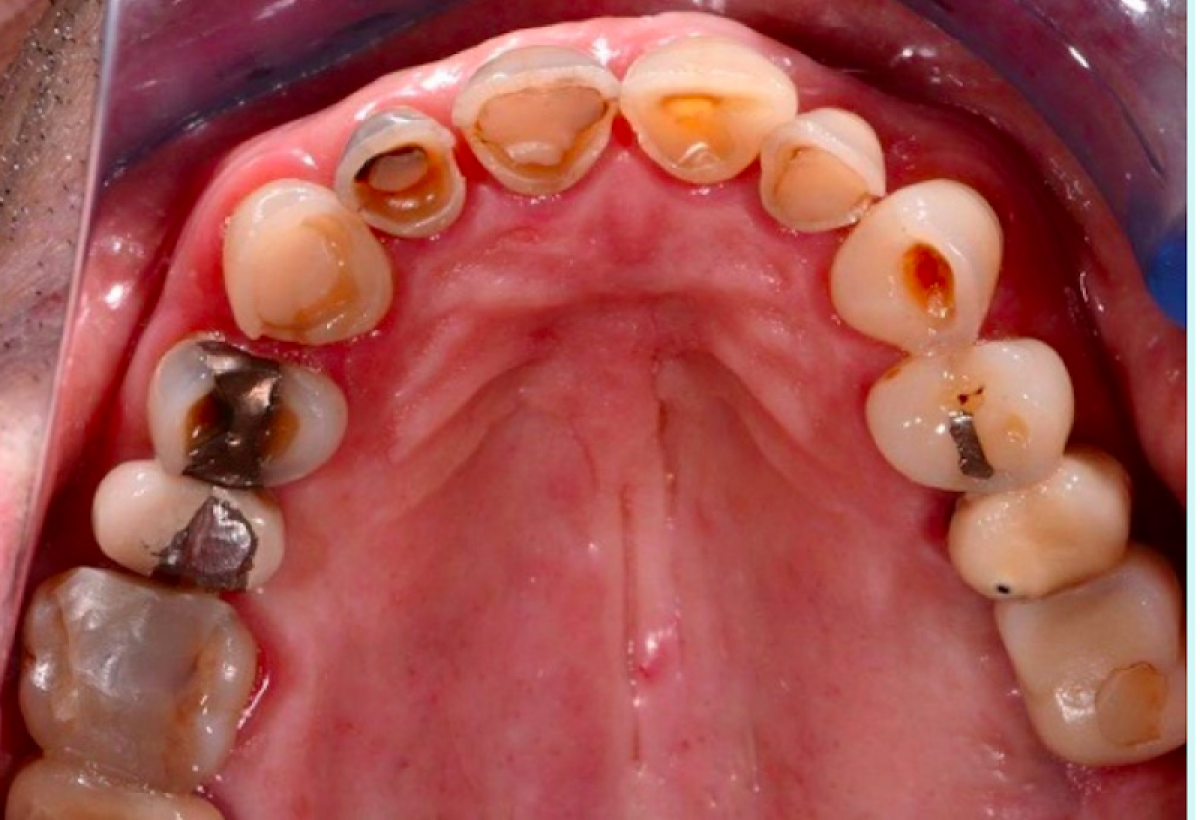
Fig.2
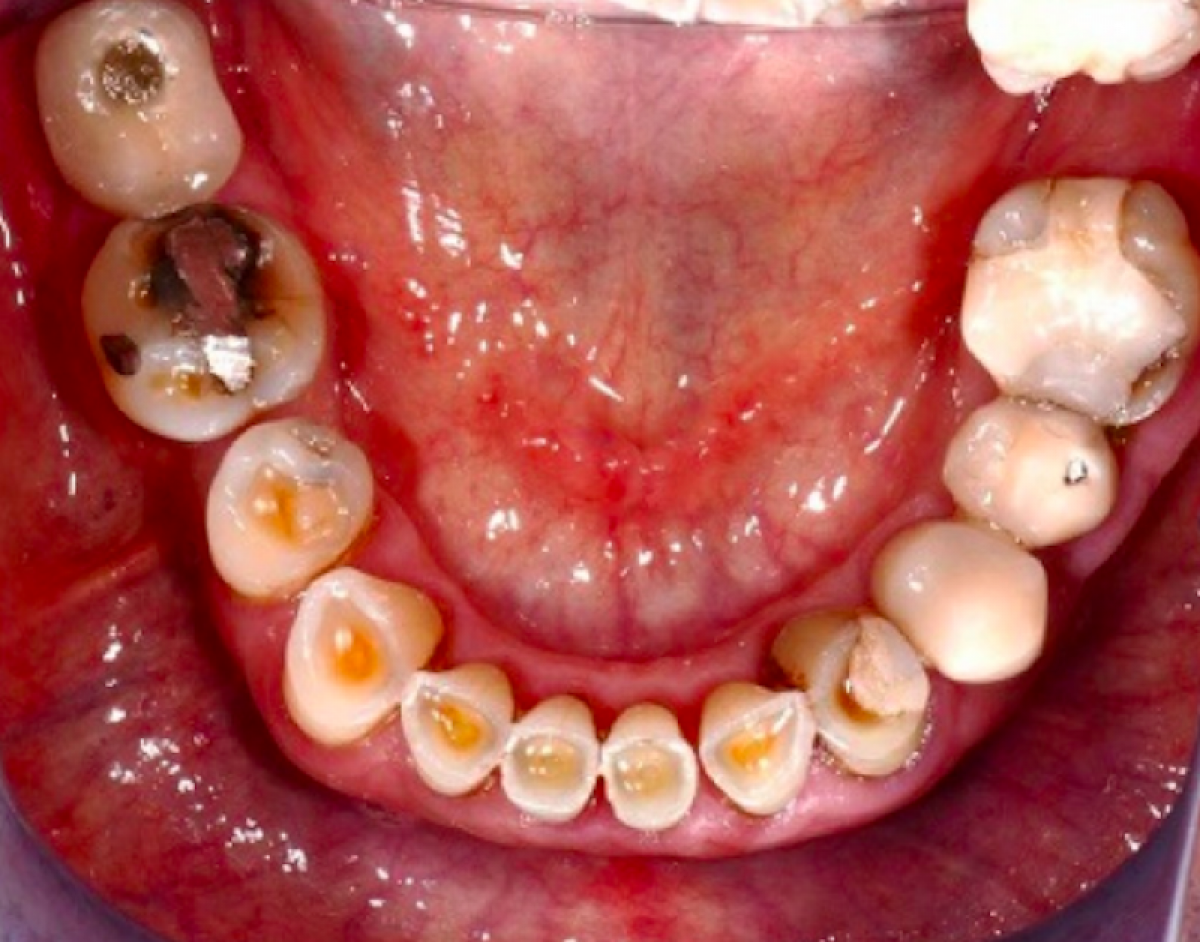
Fig.3
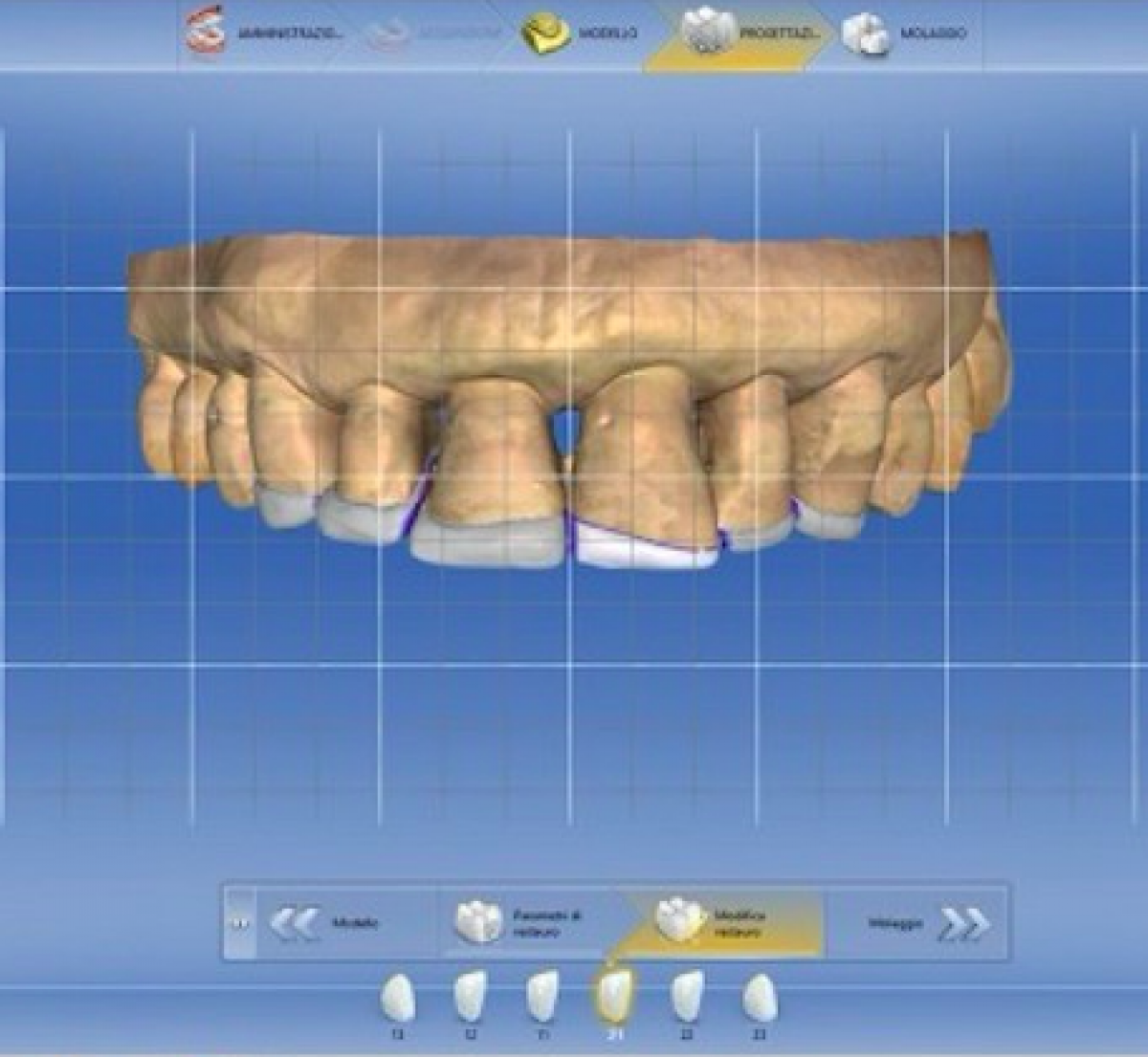
The intraoral visit we see numerous incongruous restorations (old composites and amalgams, implants and Richmond on natural teeth) in the lateral sectors and the periodontal survey shows a slight horizontal reabsorption. Considering the patient's expectations, and the precise request to adopt the least invasive treatment possible, and after a careful evaluation of the clinical photos, study models and digital waxing (digital smile system), the dental technician performs the waxing of the 2nd sextant and creates a silicone mask for direct molding of the mock-up (fig 4-6).
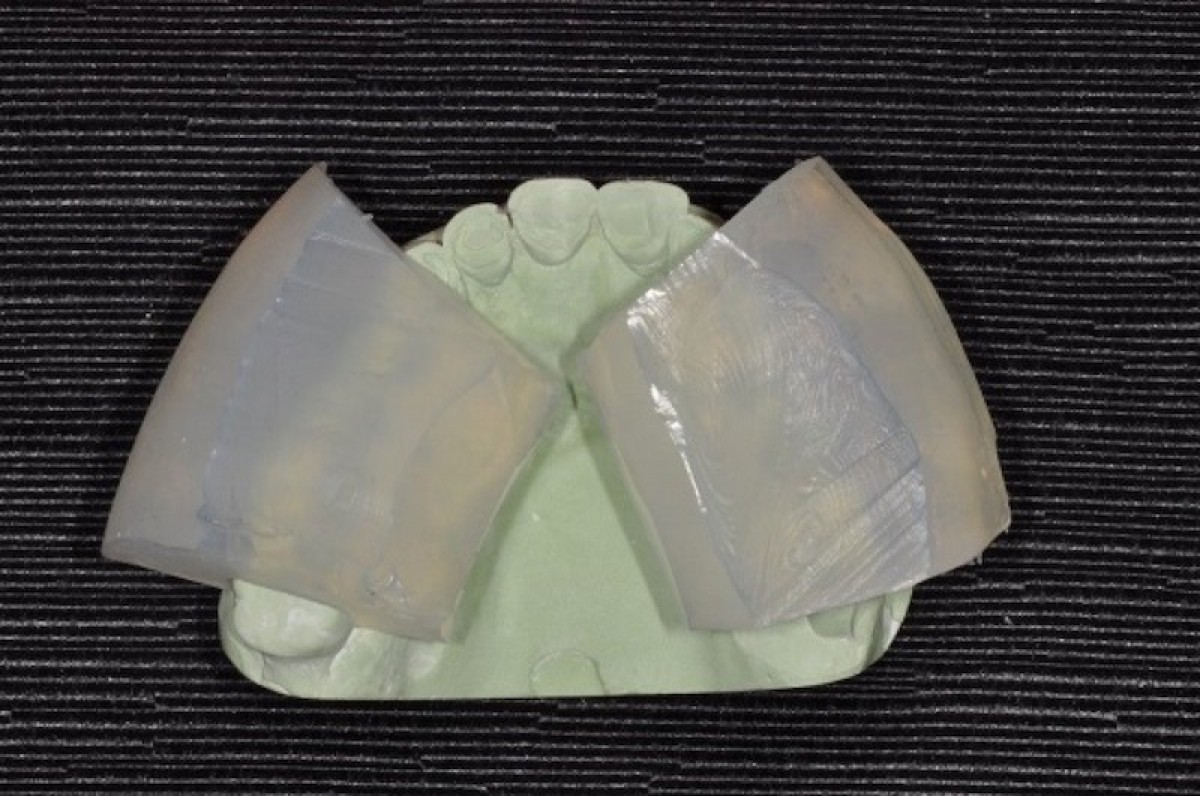
Fig.4
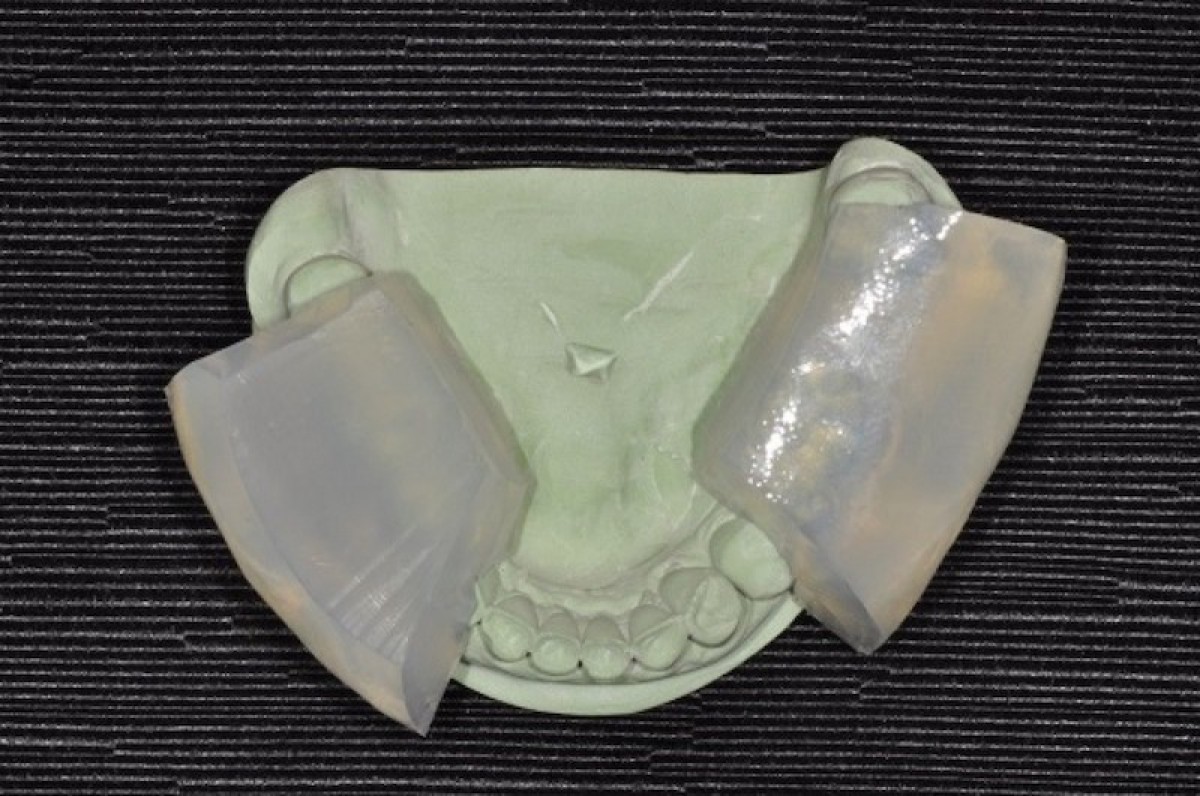
Fig.5
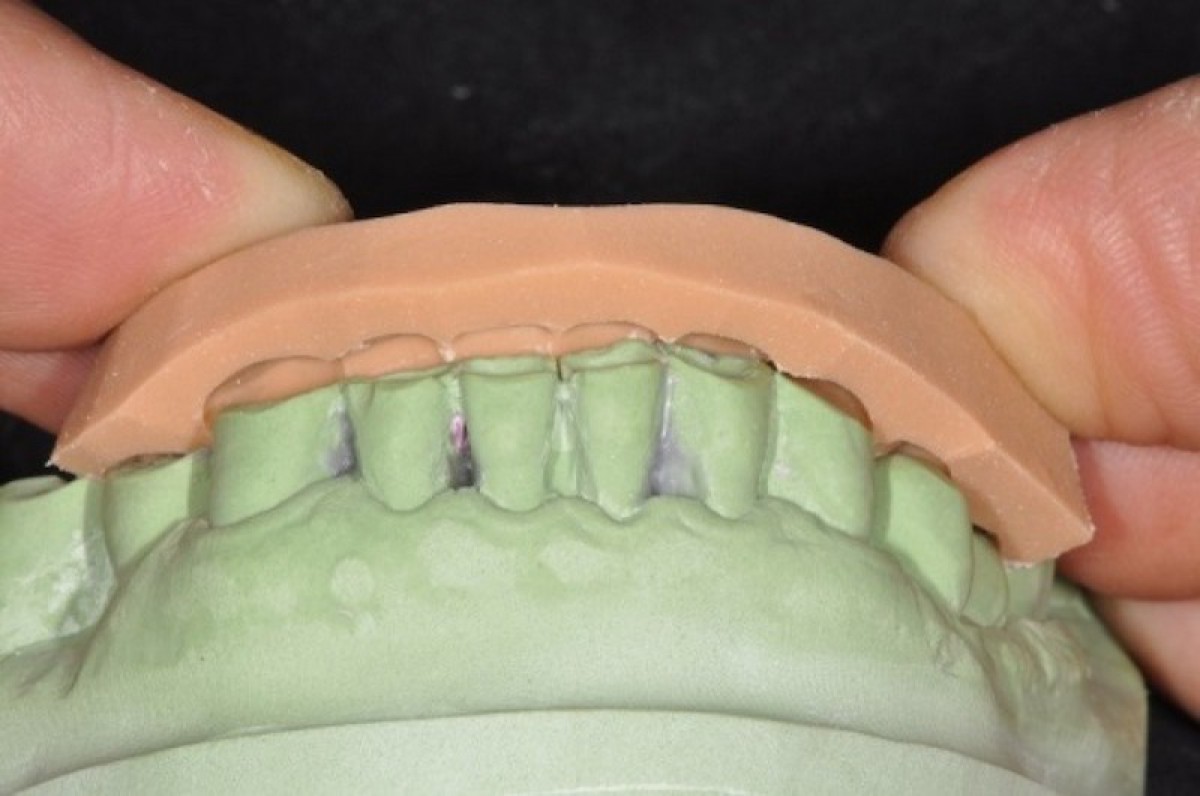
Fig.6
This test is carried out with the necessary modifications then transferred through an impression in the laboratory, in order to respect the correct incisal length of the frontal group from the phonetic point of view and the correct aesthetic plan. During the second appointment the waxing of the lateral sectors is transferred into the oral cavity, with the use of rigid transparent silicone keys (fig 4,5). Then the lower incisal group is temporarily reconstructed with the aid of a lingual support template (fig 6). Once the occlusal contacts have been adjusted, the patient is discharged in order to test the new vertical dimension.
At the next follow-up visit, the patient does not report any muscular or articular problems, so we decide to proceed with the definitive restoration with palatal composite facets of the 2nd sextant, using a plaster model CAD / CAM technique, trying to be the most conservatives possible (Fig 7-14).
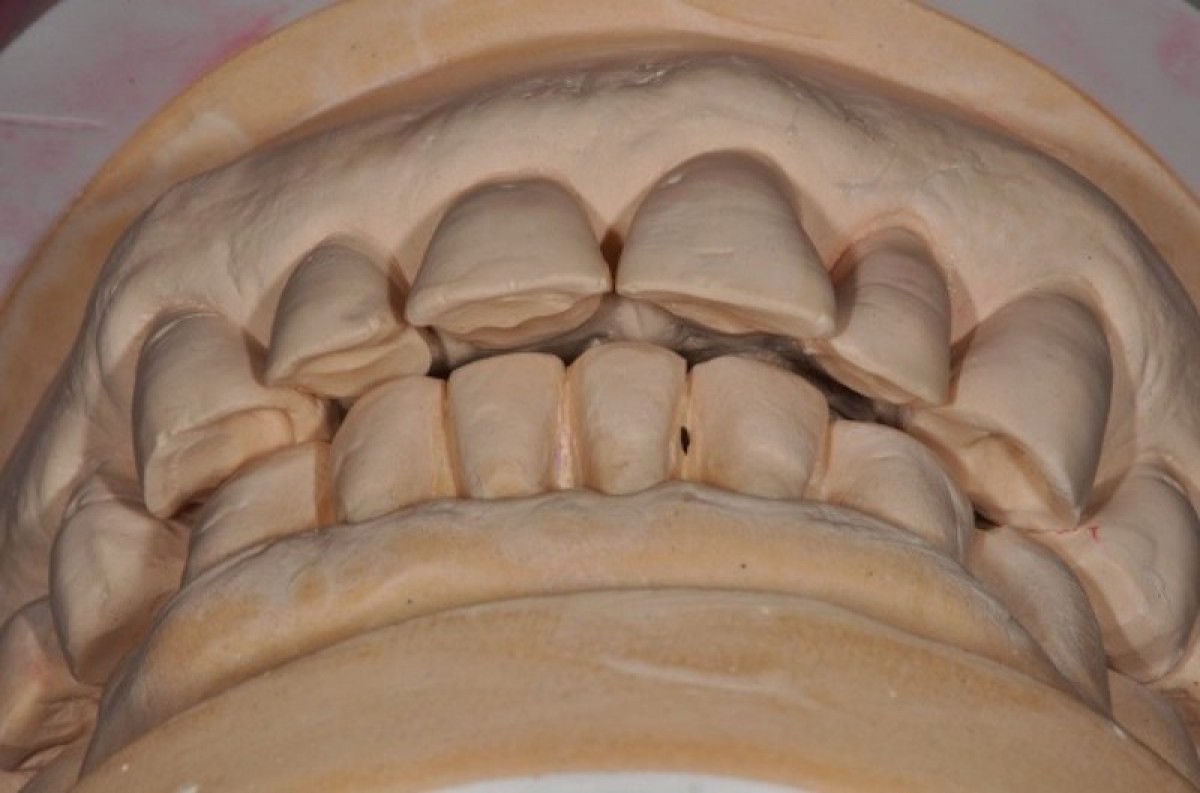
Fig.7
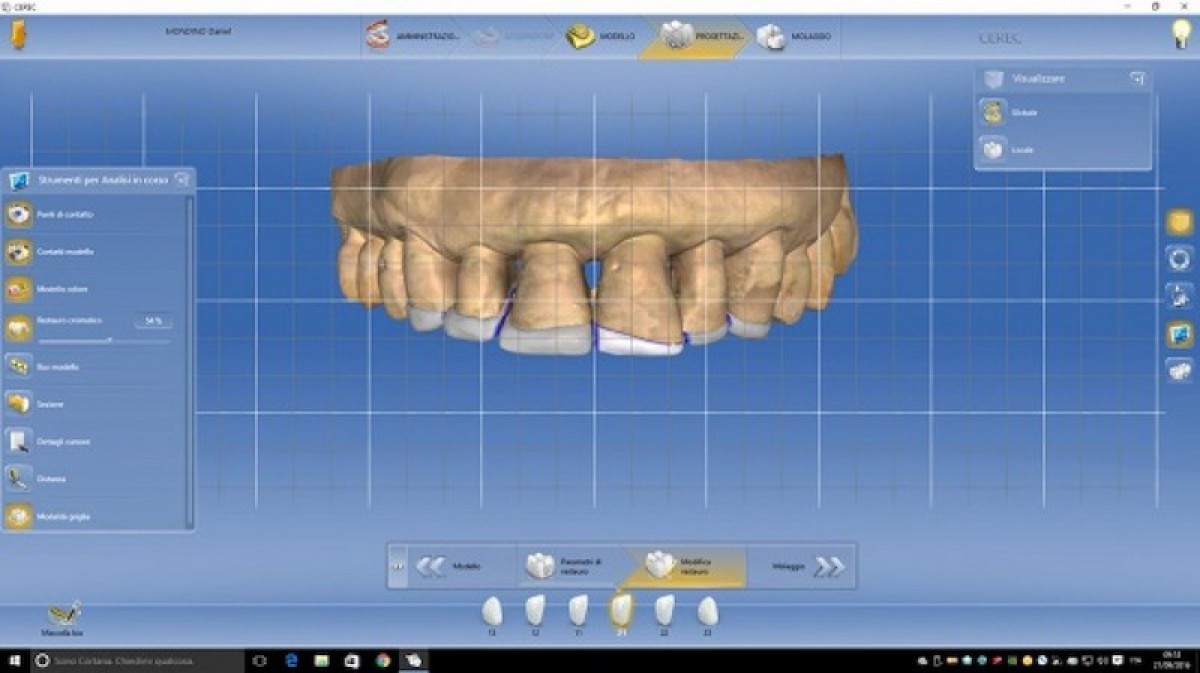
Fig.8
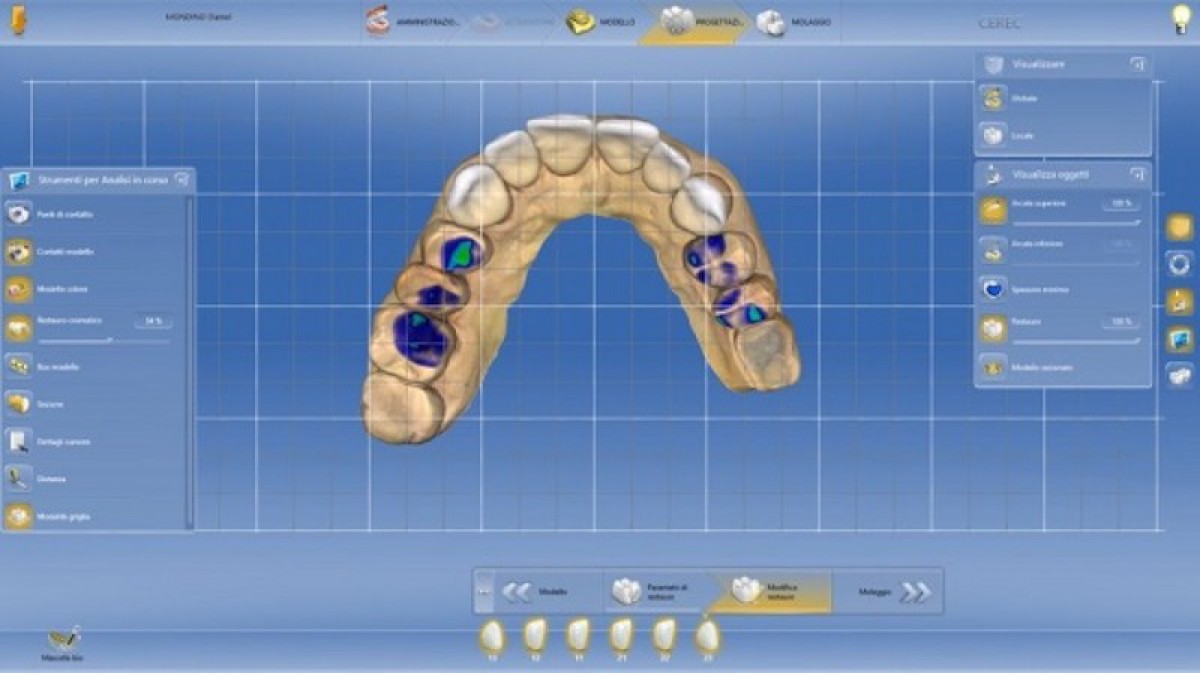
Fig.9
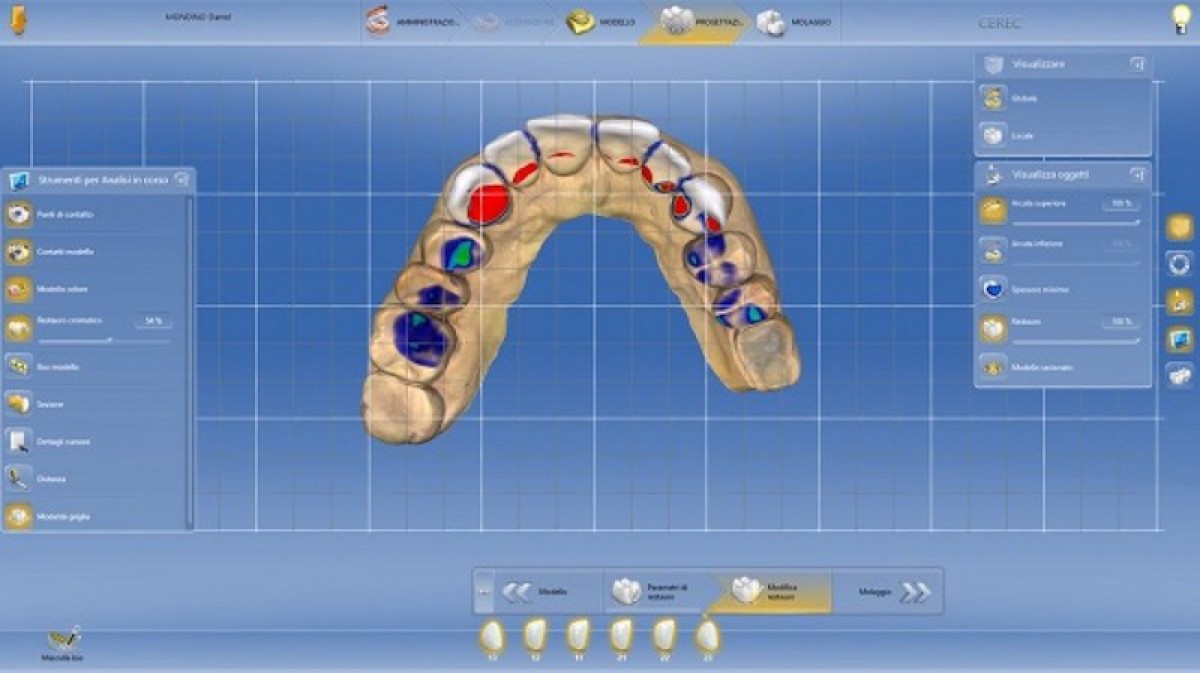
Fig.10
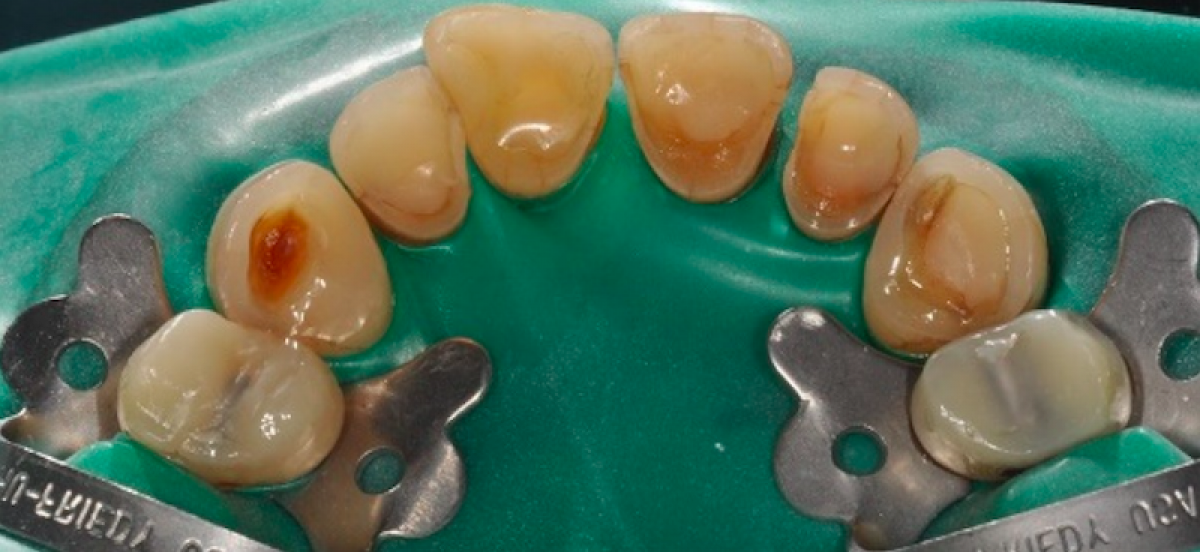
Fig.11
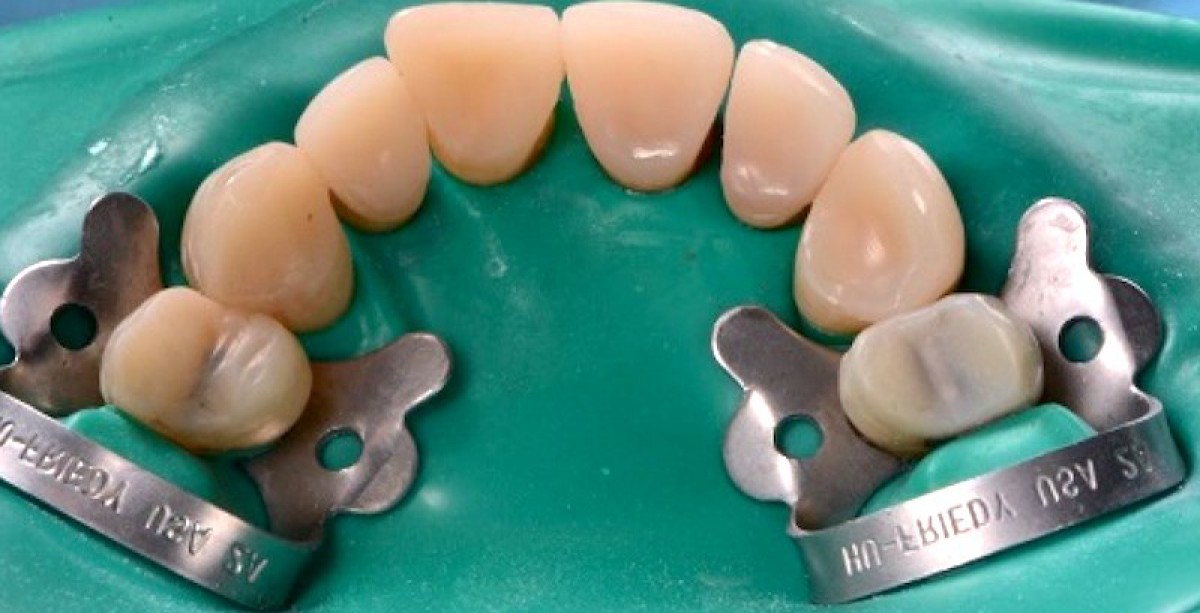
Fig.12
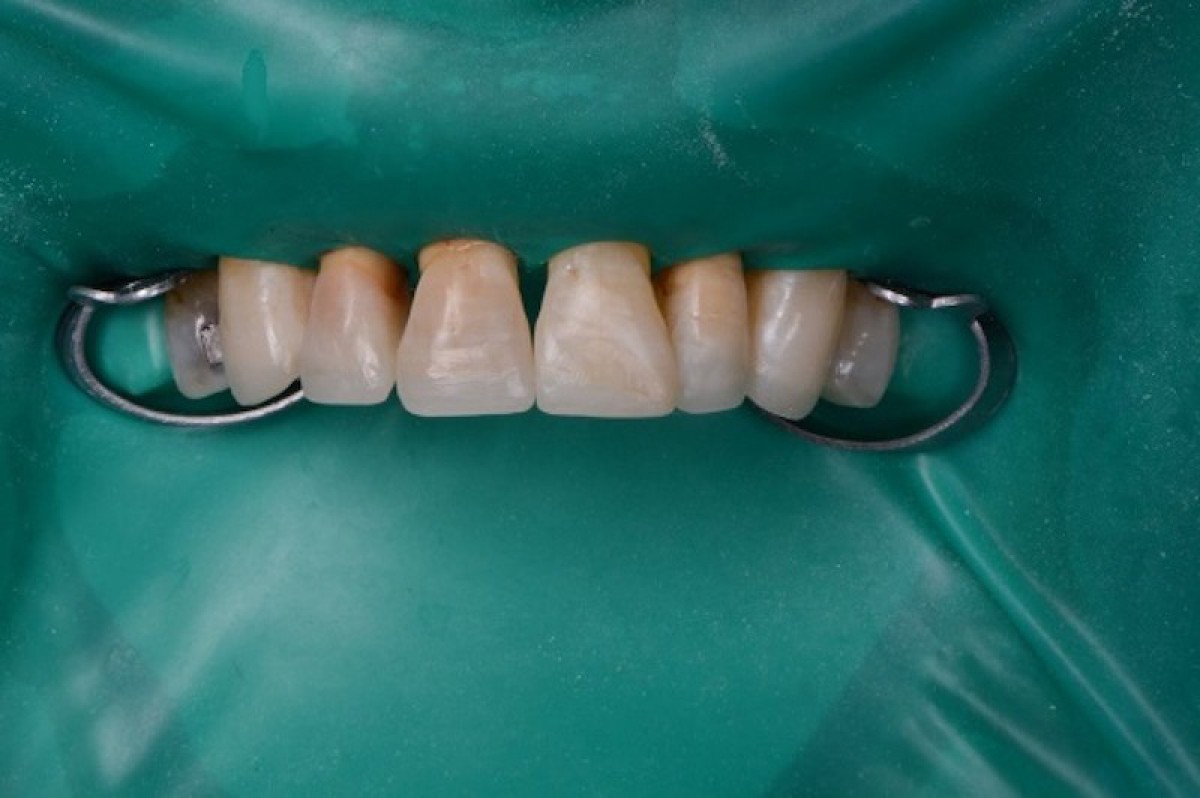
Fig.13
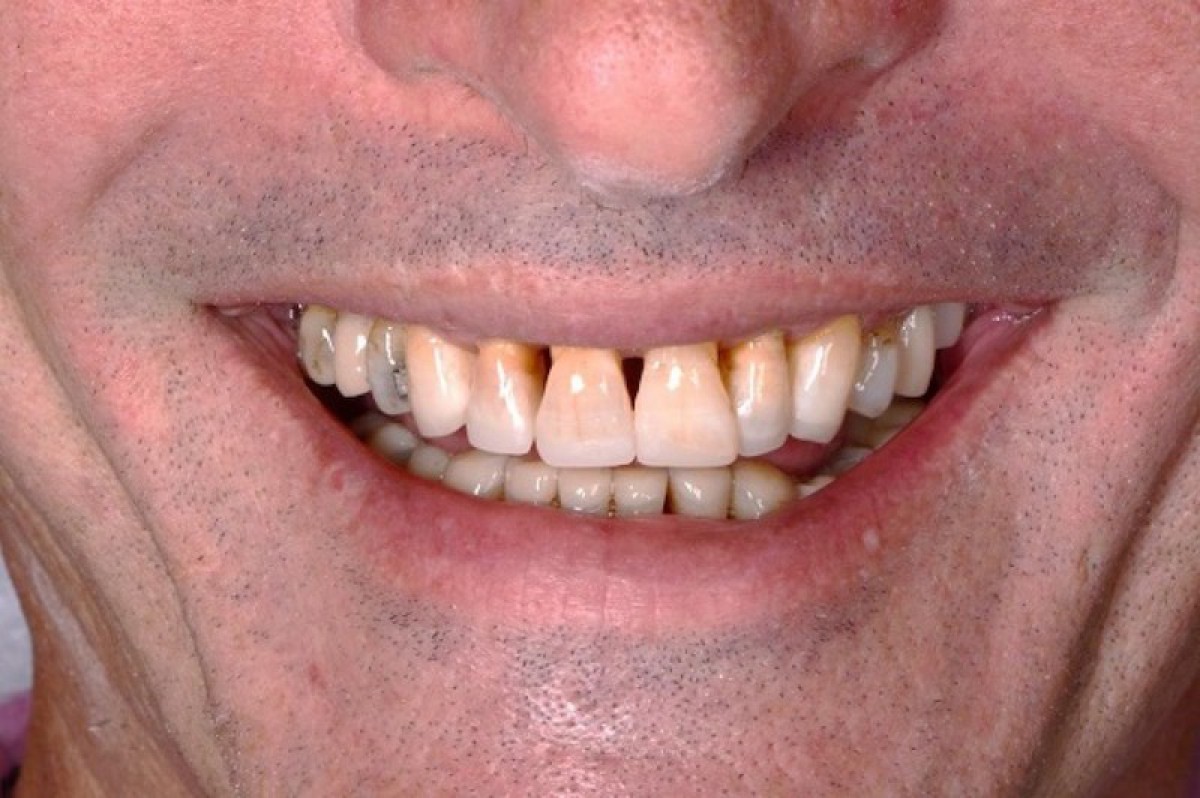
Fig.14
The next phase of the treatment consists in rehabilitating the posterior sectors by means of indirect restorations of CAD / CAM in lithium disilicate (onlays, crowns, inlays) both on the residual dental elements and on the implants (Fig 15-26).
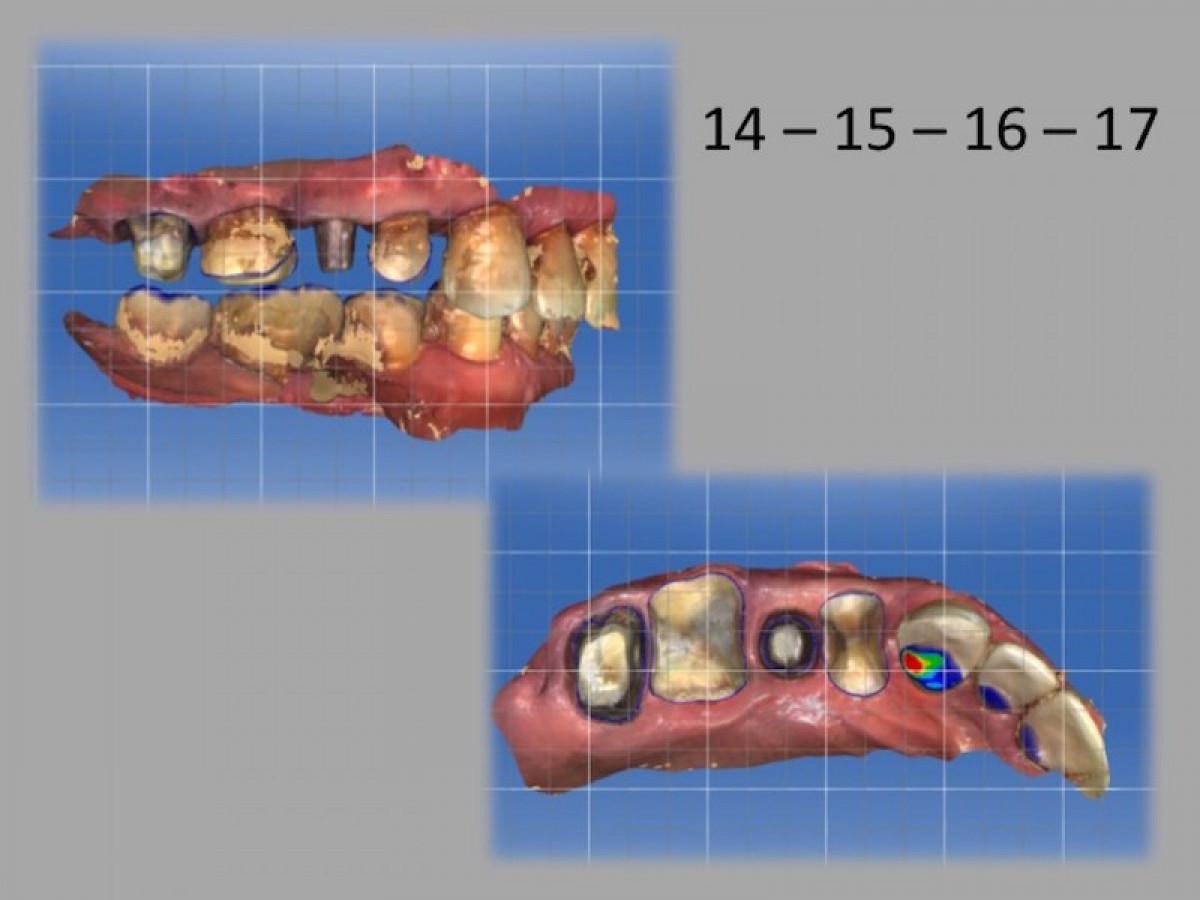
Fig.15
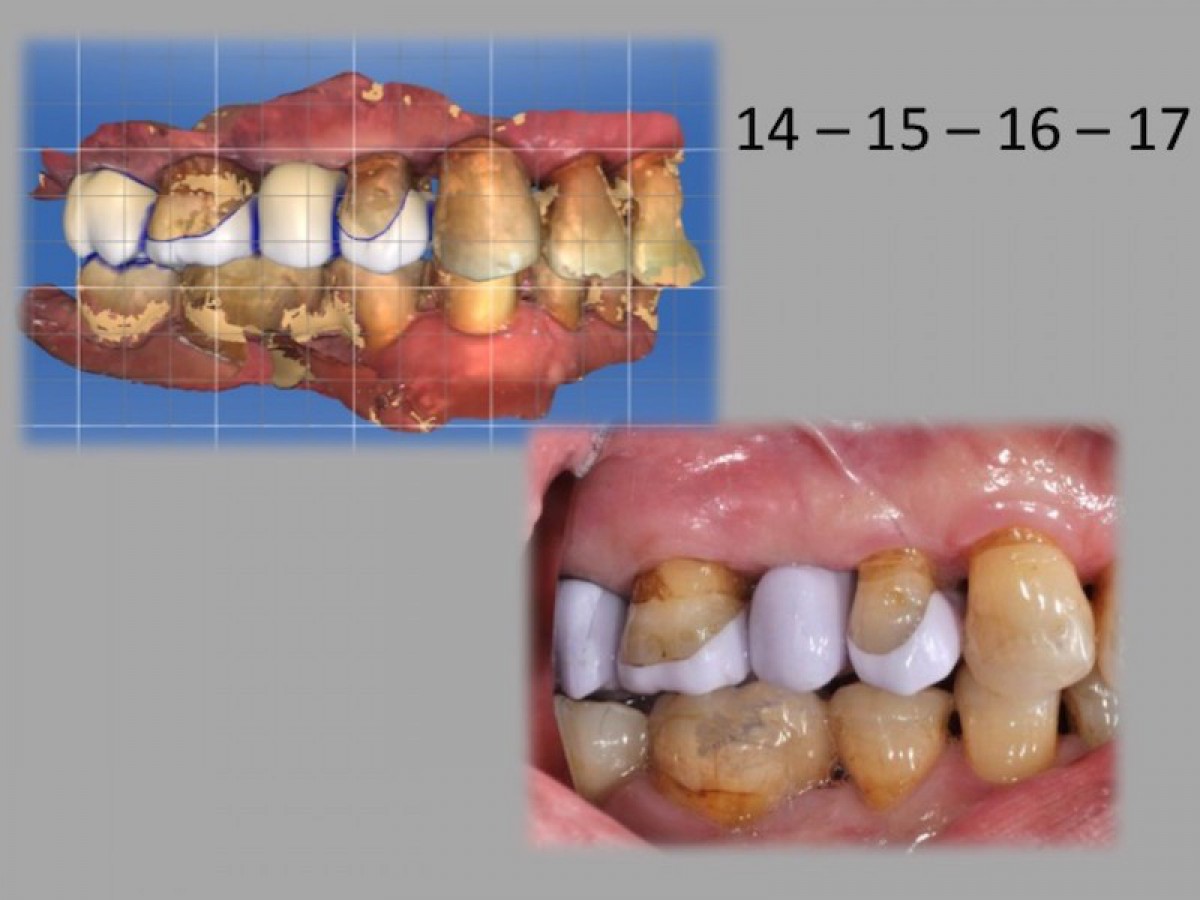
Fig.16
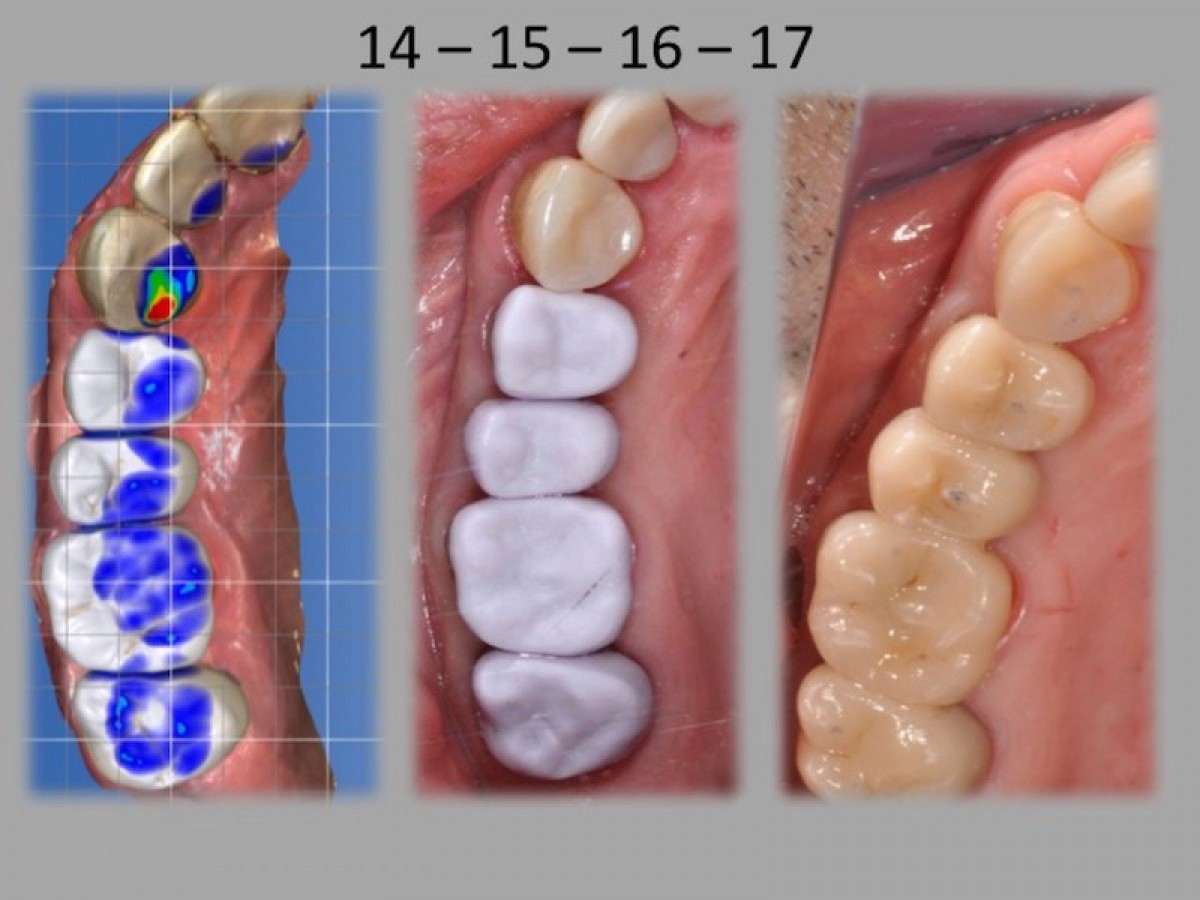
Fig.17
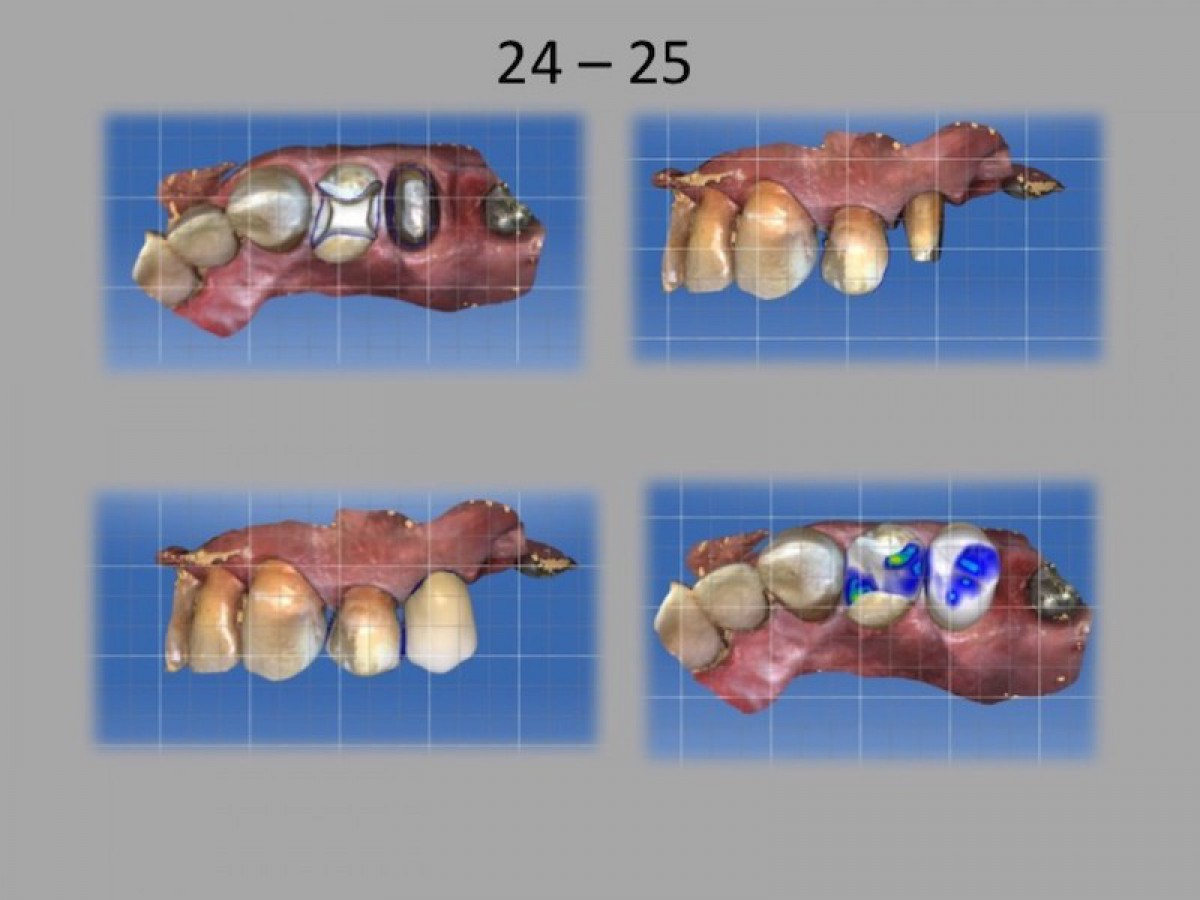
Fig.18
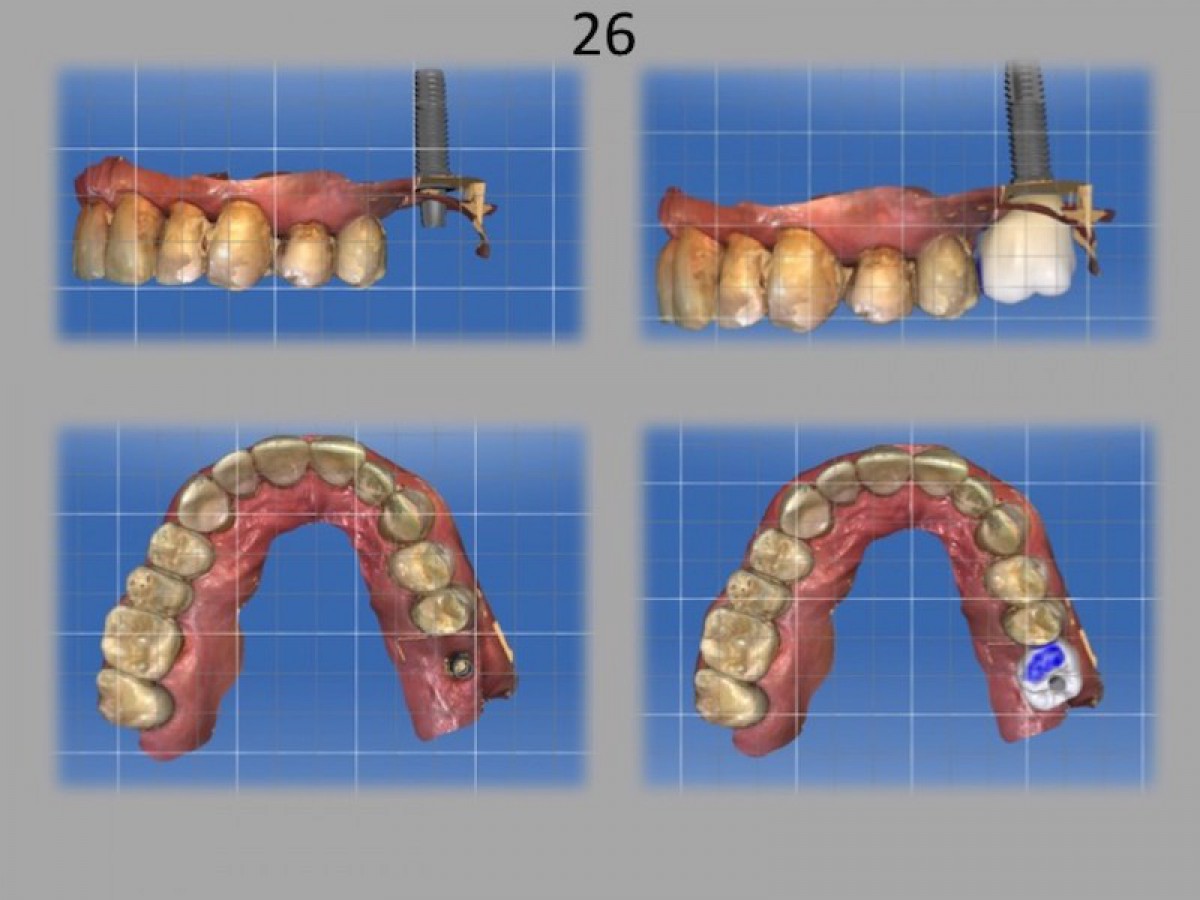
Fig.19
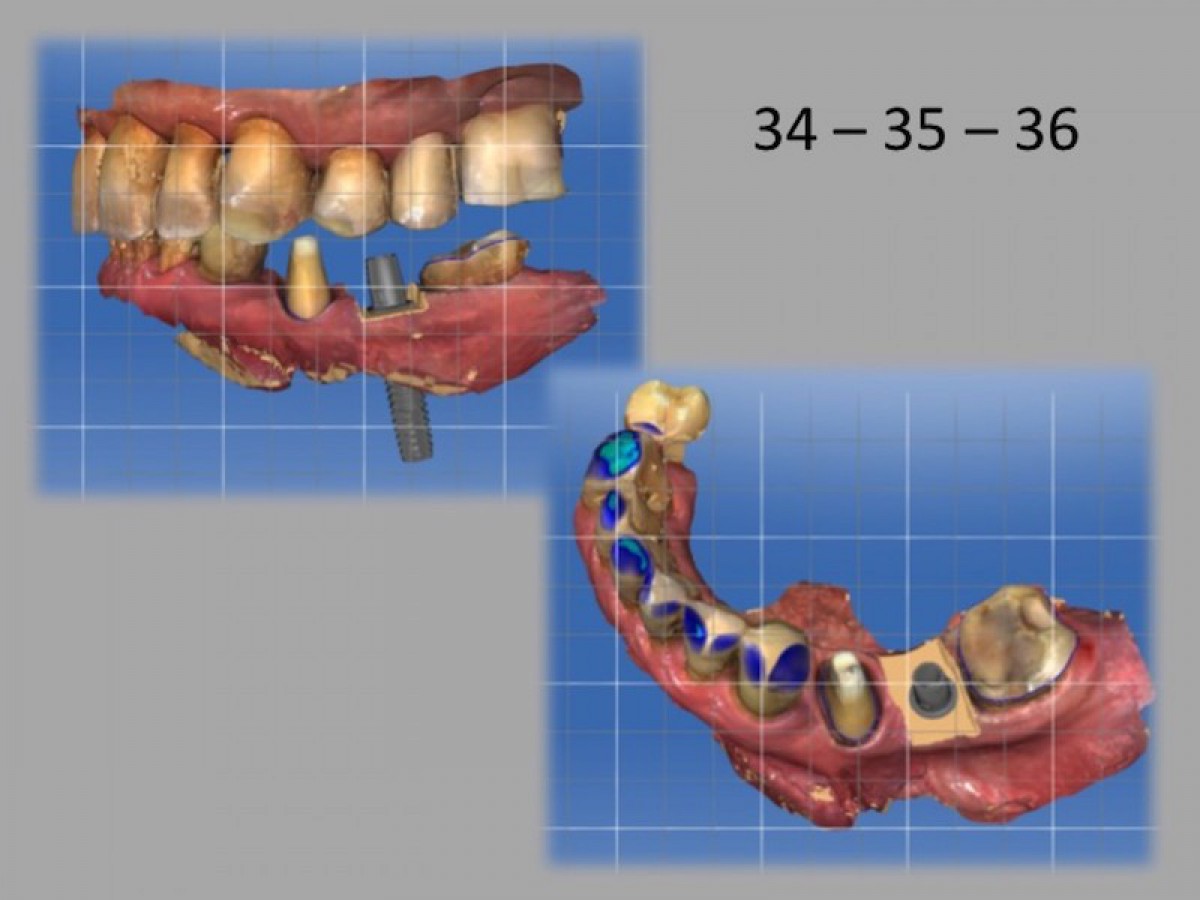
Fig.20
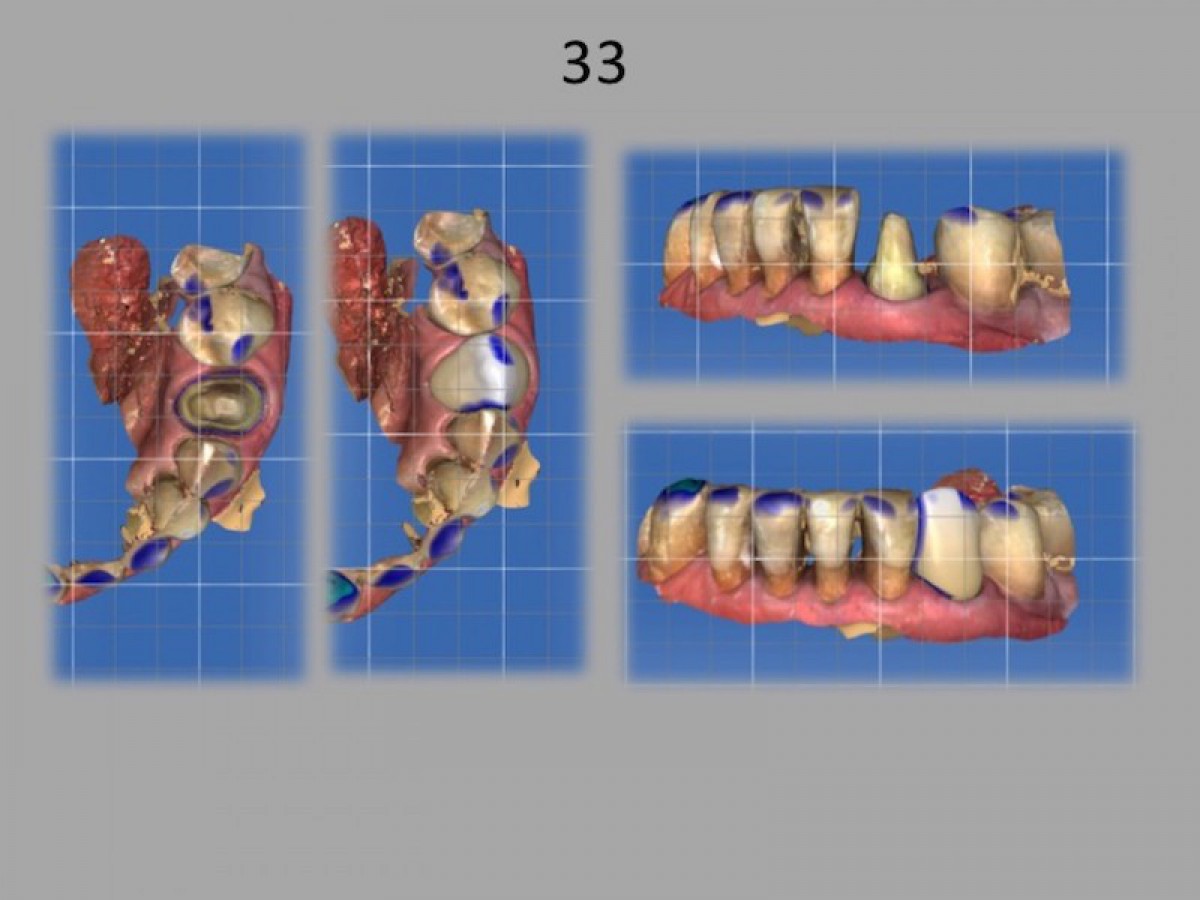
Fig.21
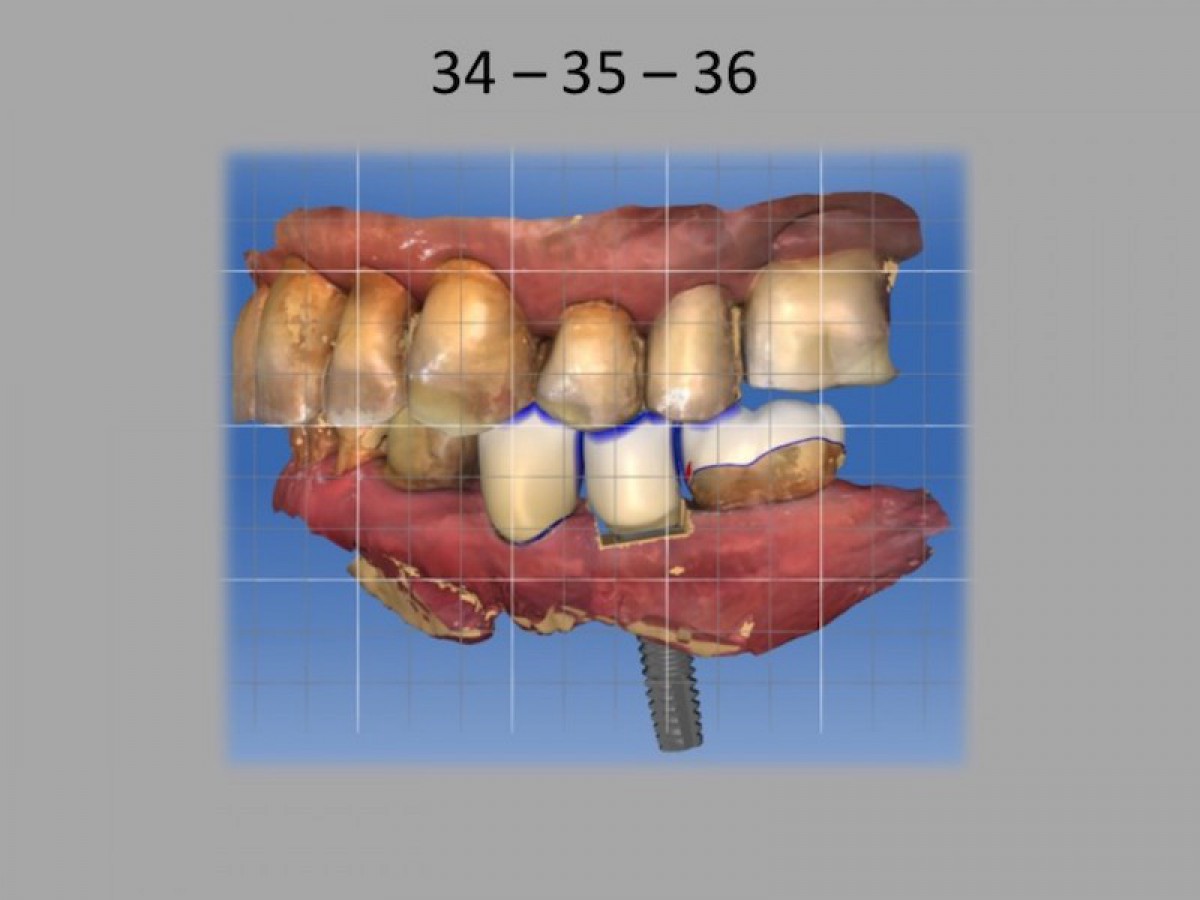
Fig.22
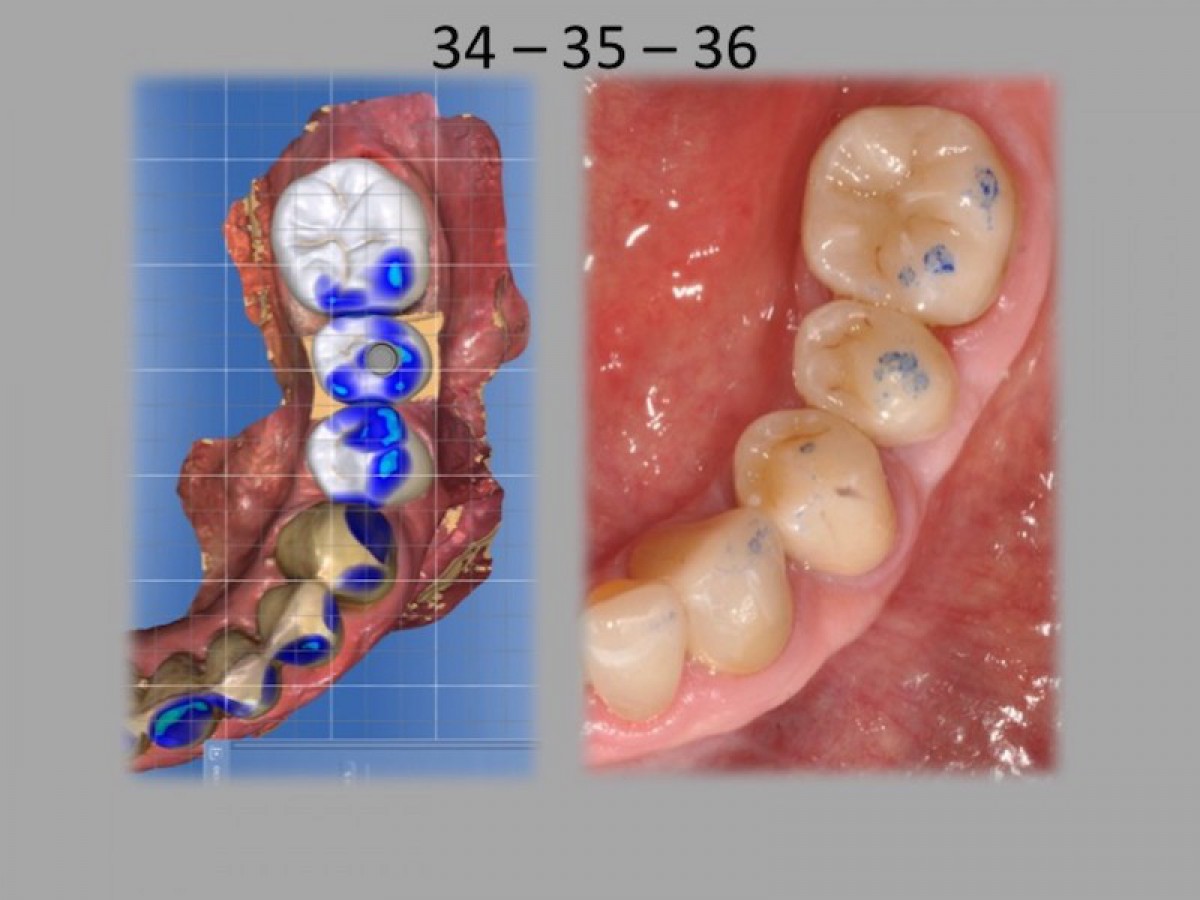
Fig.23
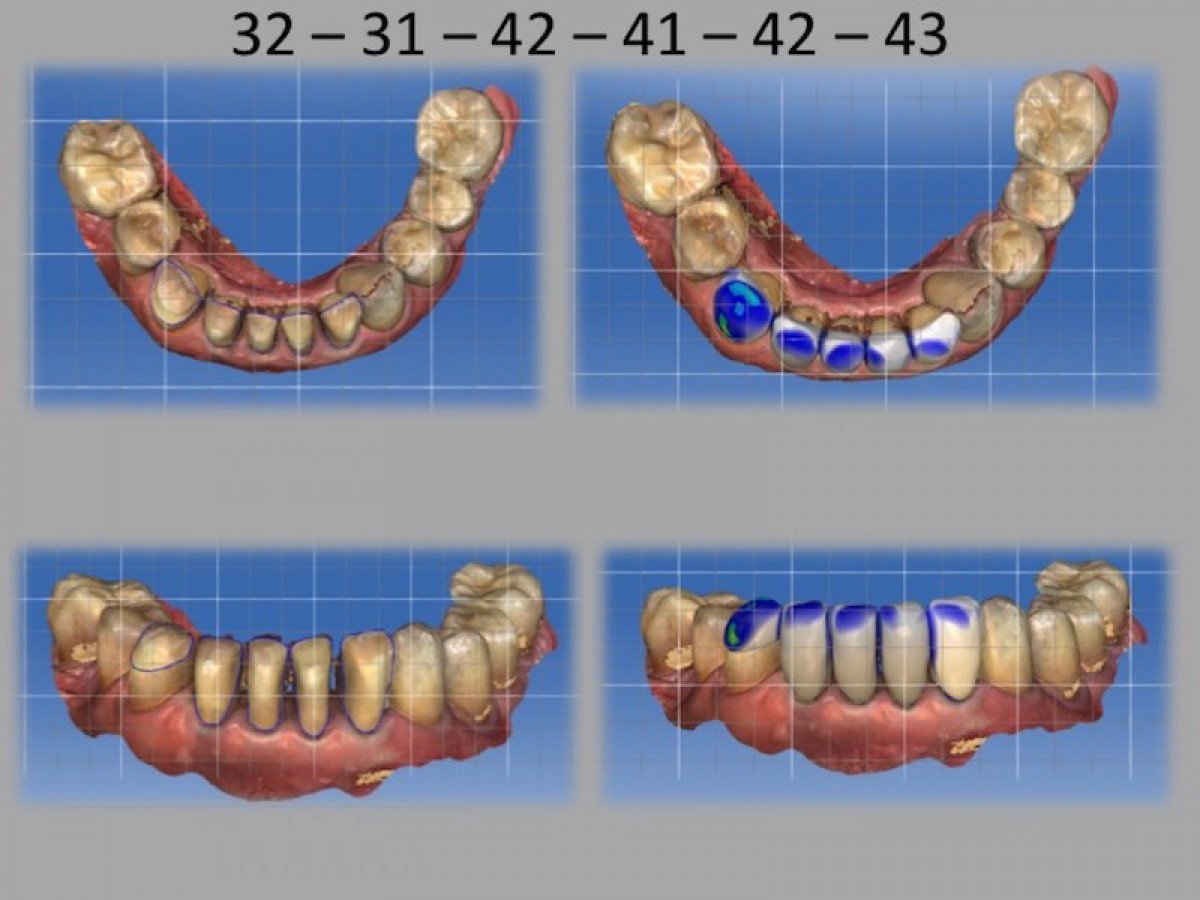
Fig.24
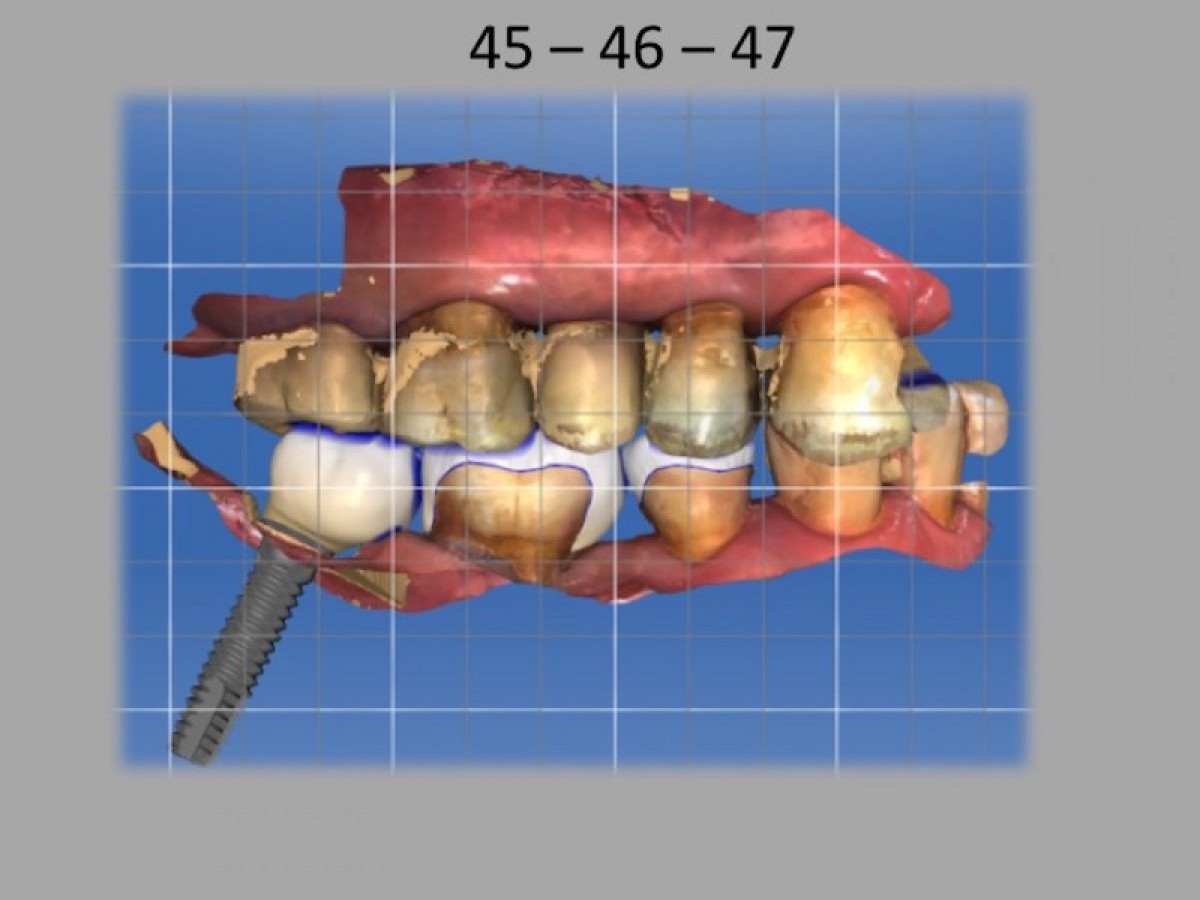
Fig.25
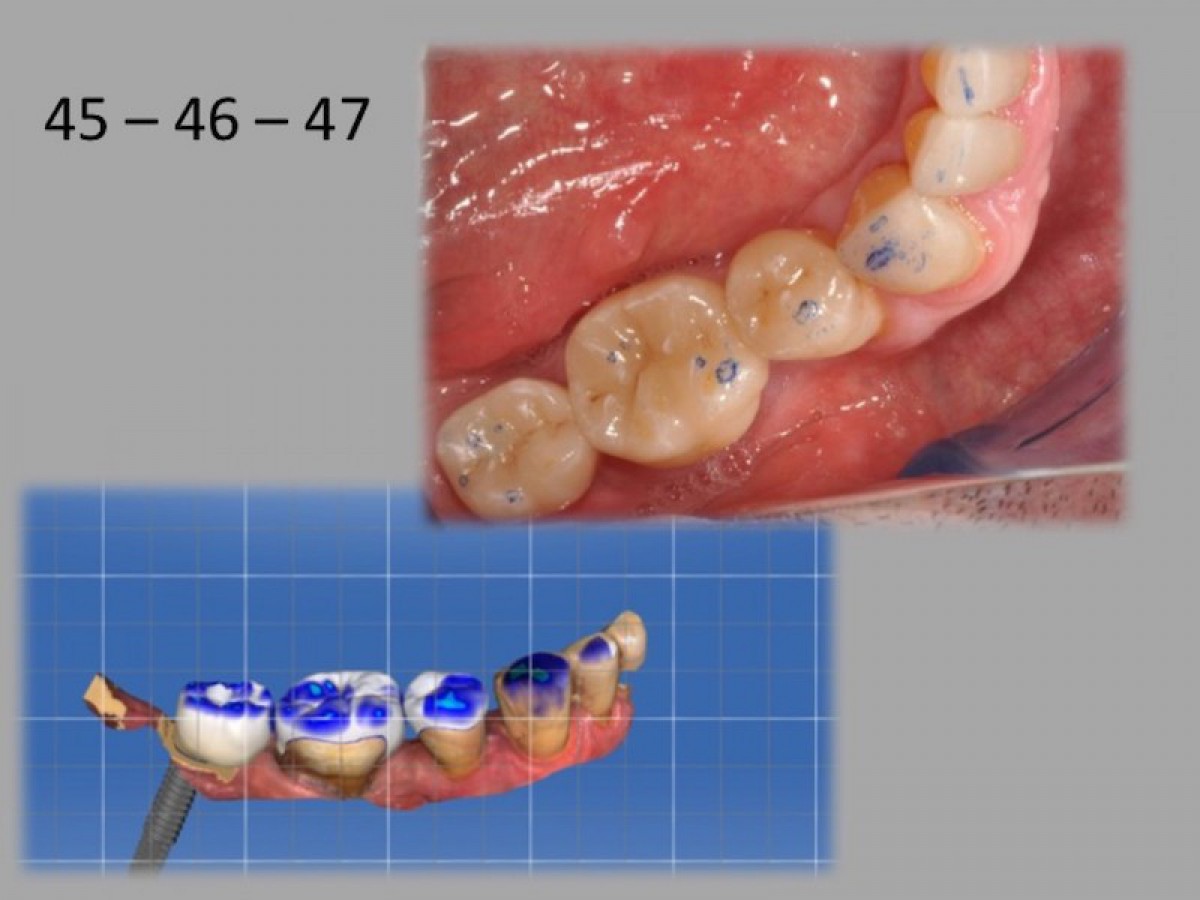
Fig.26
Finally, the vestibular composite faces CAD / CAM on the lower incisors were applied in order to restore the correct aesthetics and function.It is important to specify that the buccal veneers (as in the sandwich technique) were not applied on the 2nd sextant because the patient was largely satisfied with the result achieved. To complete the rehabilitation performed, a night-time protective bite was delivered to the patient to limit the damages due to his parafunctions (Fig 27-31).
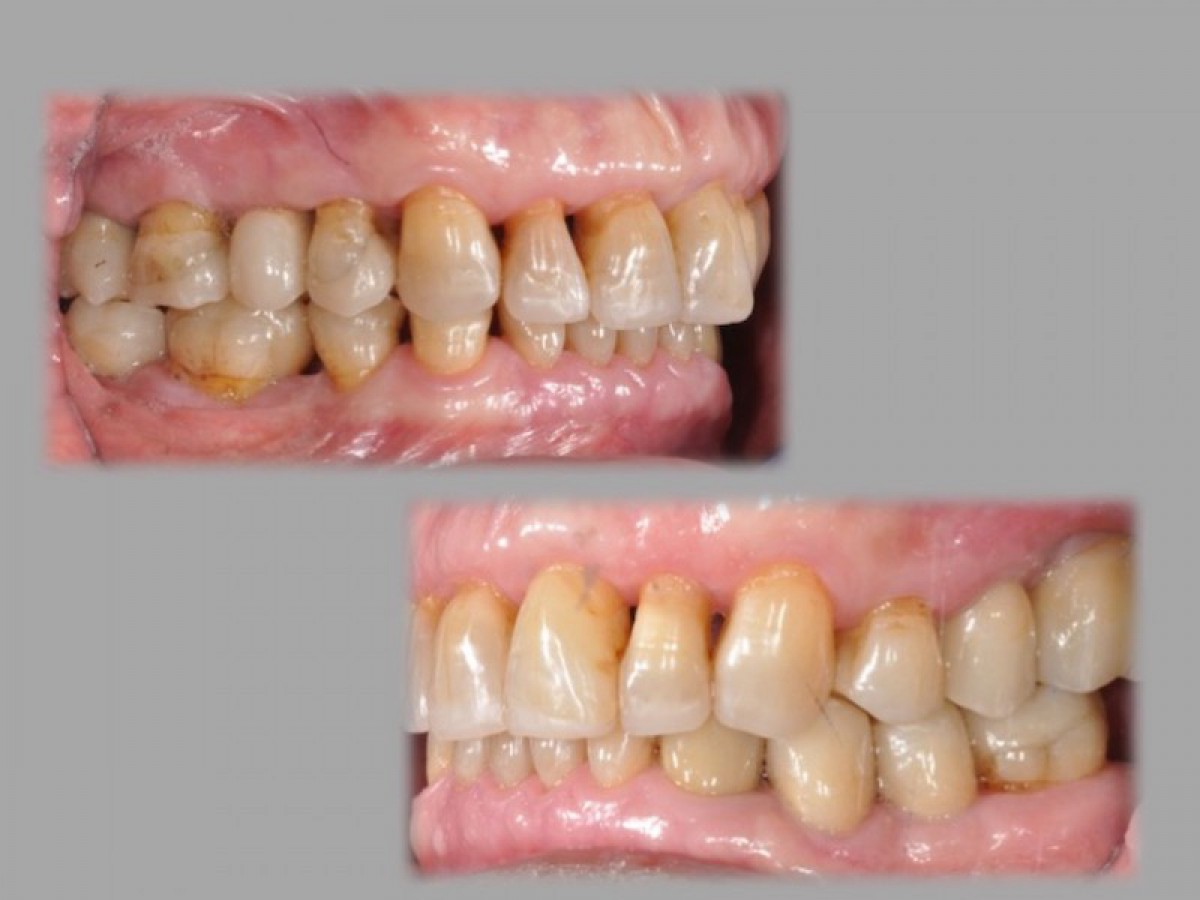
Fig.27
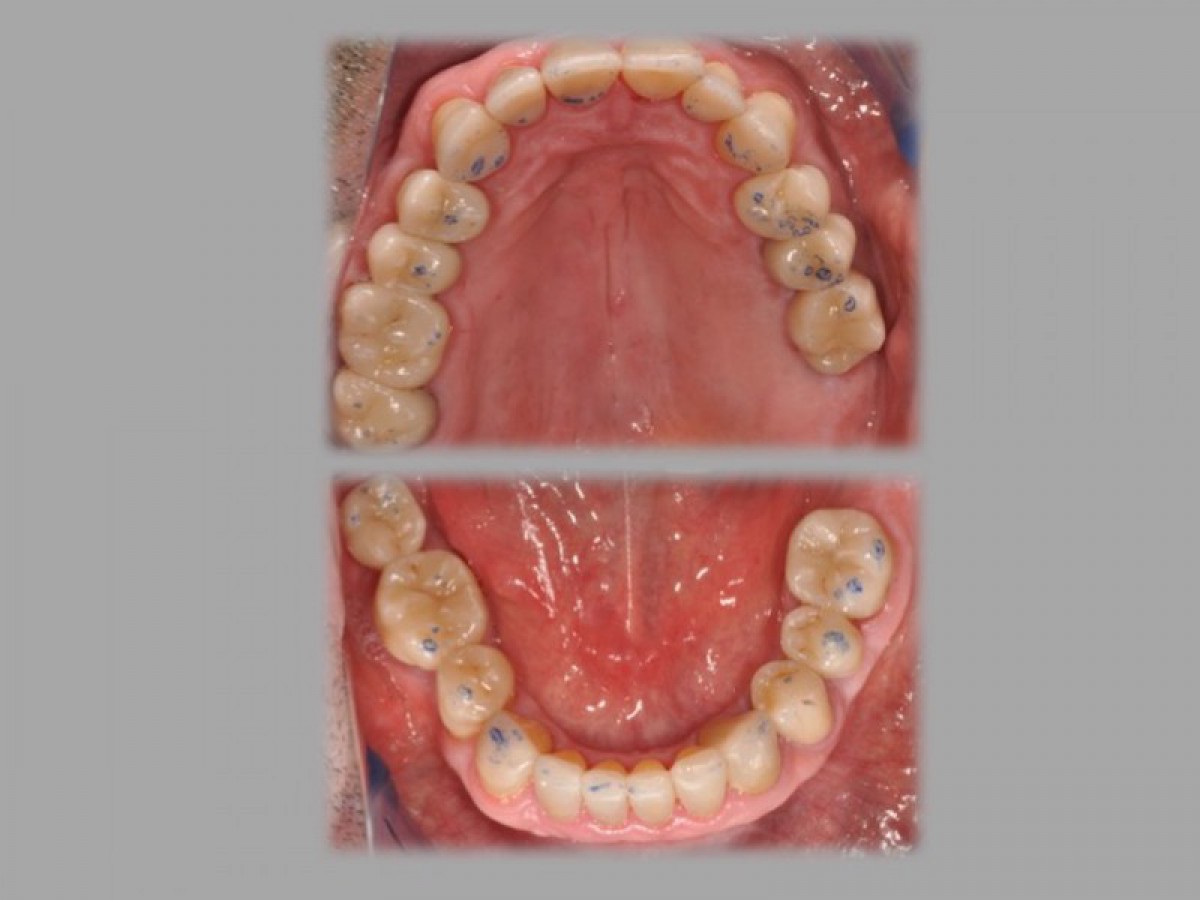
Fig.28
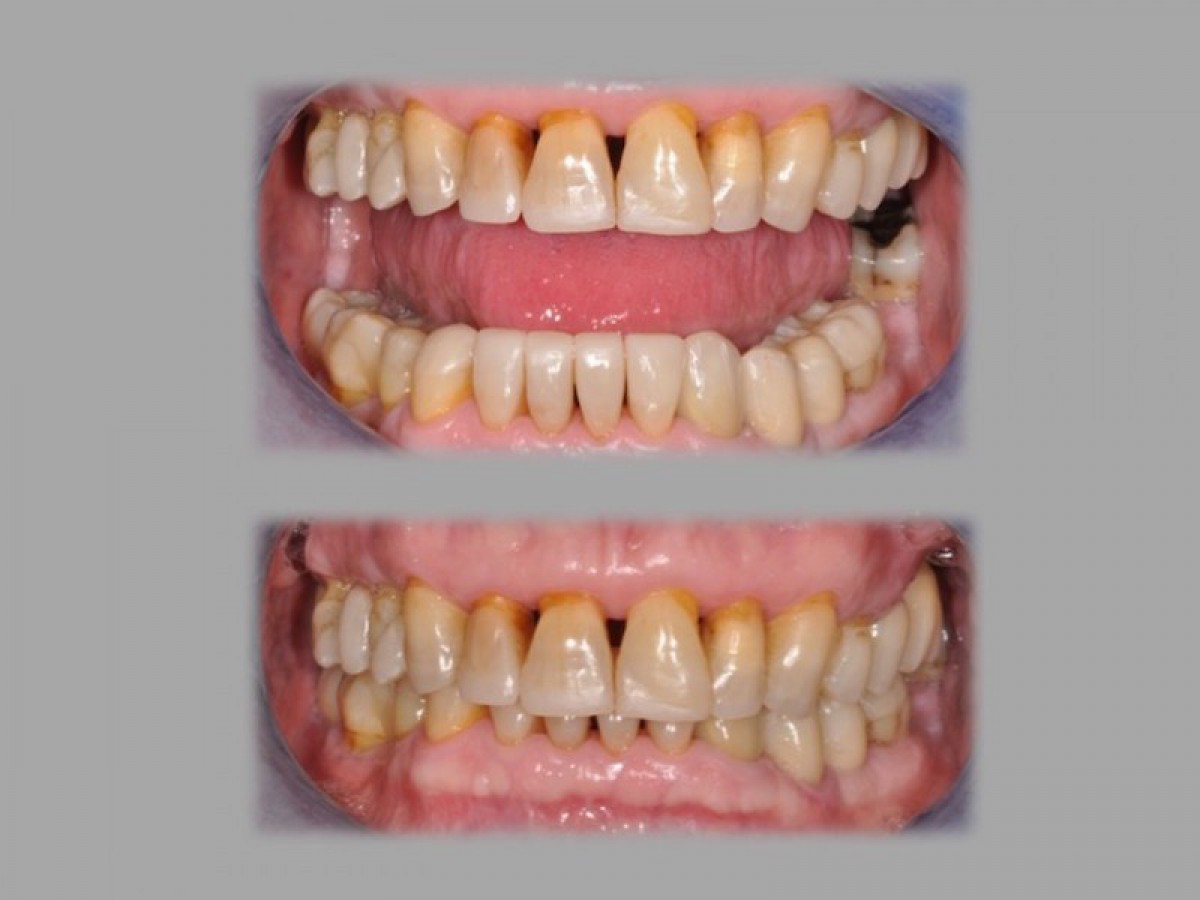
Fig.29
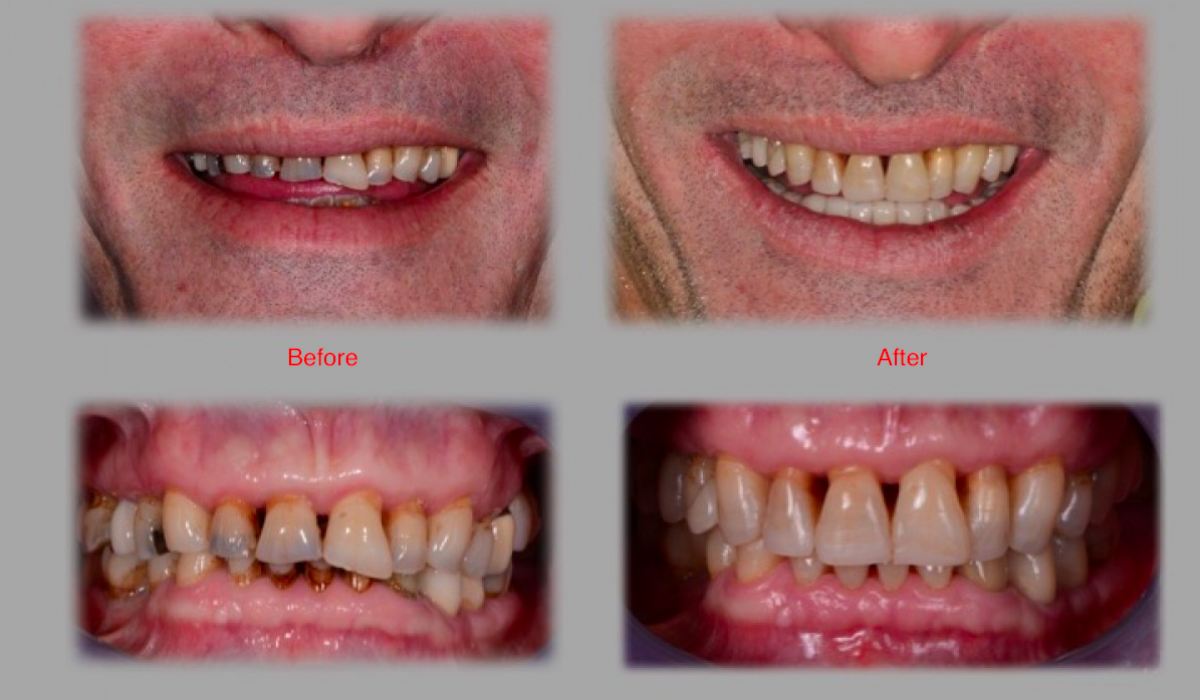
Fig.30
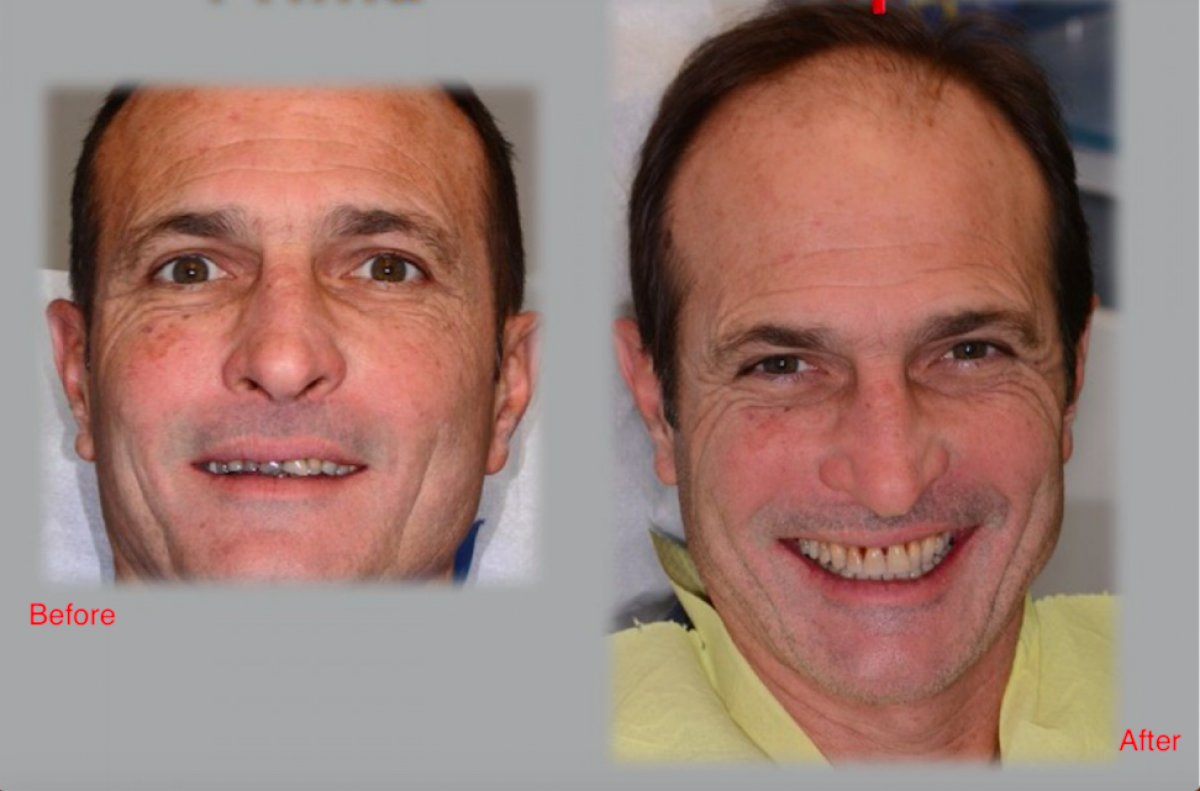
Fig.31
 Related articles
Digital Dentistry 03 April 2026
The purpose of this review is to provide the readers with current information and state-of-the-art of digital scanning systems within the orthodontics.
Digital Dentistry 16 February 2026
An original procedure for the ovoid pontic technique in ortho-restorative cases

In the multidisciplinary treatments, especially in case of missing teeth in aesthetic area, the compliance of patient during retention time post orthodontic therapy is evidently very high, even among...
Editorials 03 February 2026

Dr. Alireza Sadr of the Department of Restorative Dentistry has been appointed as the first-ever UW School of Dentistry Director of Digital Dentistry and Innovation, effective Jan. 1, 2026.
Digital Dentistry 30 January 2026
Digital dentistry may be defined in a broad scope as any dental technology or device that incorporates digital or computer-controlled components in contrast to that of mechanical or electrical alone.
Editorials 13 January 2026
Pitt’s New Digital Dentistry Labs to Provide State-of-the-Art Education and Patient Care
Three new dentistry labs at the University of Pittsburgh School of Dental Medicine will give students and residents hands-on experience with cutting edge digital dental technology while providing...
Read more
Restorative dentistry 17 April 2026
Patient Perceptions of New Robotic Technologies in Clinical Restorative Dentistry
Patient perception research has failed to focus on burgeoning technology within the dental field.
Editorials 17 April 2026
Some admissions experiences can make an applicant feel like a statistic being analyzed or, as first-year Florida dental student Nate Fordham put it, like a “mushroom”: kept in the dark and fed...
Products 17 April 2026
BioHorizons’ Tapered Pro Conical Named to 16th Annual Readers’ Choice Top 25 Implant Products
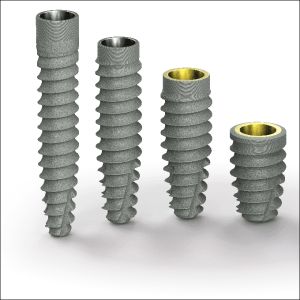
Streamline your workflow with BioHorizons. Tapered Pro Conical offers a single, color-coded prosthetic platform for all full-arch cases.
News 17 April 2026
Following AI Voice Perio, voice-driven charting expands to restorative exams, enabling single-provider clinical documentation in Denticon.
Cosmetic & Reconstructive Dentistry recently announced the creation of a new scholarship program supporting graduating seniors from Fairfield’s public high schools who plan to pursue studies in...


Copyright © 2026 - All Rights Reserved
ISSN 2767-1178