


Digital dentistry: The future
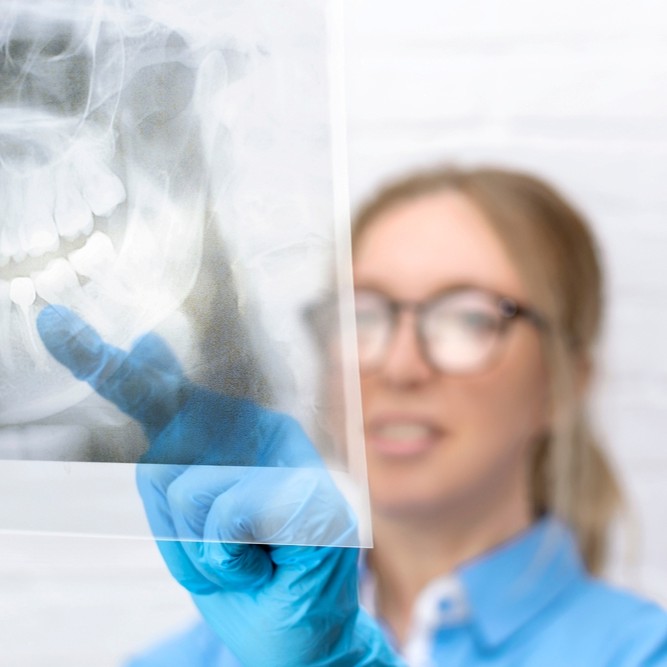
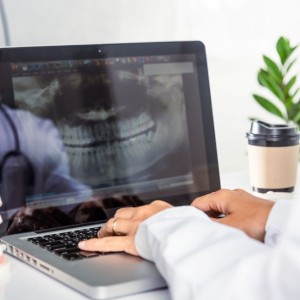
Digital dentistry may be defined in a broad scope as any dental technology or device that incorporates digital or computer-controlled components in contrast to that of mechanical or electrical alone. The main areas of digital dentistry are computer-aided design/computer-aided manufacturing and intraoral imaging – both laboratory and clinician-controlled; caries diagnosis; computer-aided implant dentistry – including design and fabrication of surgical guides; digital radiography – intra- and extra-oral, including cone beam computed tomography; electric and surgical/implant hand pieces; lasers, occlusion, and temporomandibular joint analysis and diagnosis; shade matching; photography – extra-oral and intra-oral; practice and patient record management – including digital patient education.
Digital dentistry is more than just hype. Digital technologies continue to aid dentist's efforts to ensure patients receive the best possible treatment under the most comfortable circumstances. If the dental technology is fully understood and properly implemented, then dentists can provide better care for the patients and improve their clinical practice. Digital dental technologies enable consultations with patients and collaborations with other dental specialists to be conducted quicker and with more immediate and detailed information than in the past years. The quality of care improves through enhanced diagnosis and such advancements in dental technology enable patients to receive modern solutions to traditional dental problems.
The area of digital dentistry must include improved efficiency with respect to both cost and time, improved accuracy in comparison to previous methods, and a high level of predictability of outcomes. The major limitation of most areas of digital dentistry is cost. Despite this, if the new technology meets the above criteria to be considered an advantage, then return on investment can be high if properly implemented. One of the common pitfalls in adopting new dental technology is lack of desire on the part of the clinician and team to be adequately trained. Some clinicians will purchase a new technology, yet never read the owner's manual or seek advanced training on how to operate the technology efficiently, often leading to high failure and abandonment. Misunderstanding the new technology tends to foster slower adoption rates. This scenario can be easily avoided by greater attendance of basic and advanced hands-on courses in these areas of technology.
Smaller, smarter, and more ergonomic computing devices will support an increasing proportion of dental practice activities. Technology will make practice management more efficient, mainly by reducing transactional overhead. Educational software and intelligent assistants will increasingly support the needs for decision making in clinical practice. Research will benefit from automated tools for data acquisition, management, and analysis. Dentistry must actively shape the application of technology. It can do this by developing a cadre of experts in dental informatics, relying on sound research principles, effectively disseminating best practices, and developing strategic objectives for the implementation of technology.
The future of dentistry is now. If we wait for another few years to integrate these new dental technologies, we will be left decades behind.
Author: Neeta. Pasricha
Source: https://go.gale.com/
 Related articles
Editorials 27 September 2026
Dentistry33 survey highlights replacement care, deep caries and evolving restorative workflows
Reader survey finds direct composites remain dominant, secondary caries is the leading reason for restoration replacement, and clinicians want more training in pulp preservation
Reader survey finds direct composites remain dominant, secondary caries is the leading reason for restoration replacement, and clinicians want more training in pulp preservation
Editorials 20 September 2026
Dentistry33 survey shows small practices balancing growth, costs and technology modernization
Reader survey finds solo and small practices remain prominent while staffing, rising costs and digital adoption shape business priorities
Reader survey finds solo and small practices remain prominent while staffing, rising costs and digital adoption shape business priorities
Digital Dentistry 20 April 2026
To report a fully digital and guided immediate-load All-on-4 protocol conducted in Brazil on a 59-year-old male patient with an edentulous maxilla and a history of oropharyngeal cancer surgery,...
Digital Dentistry 03 April 2026
The purpose of this review is to provide the readers with current information and state-of-the-art of digital scanning systems within the orthodontics.
Digital Dentistry 16 February 2026
An original procedure for the ovoid pontic technique in ortho-restorative cases

In the multidisciplinary treatments, especially in case of missing teeth in aesthetic area, the compliance of patient during retention time post orthodontic therapy is evidently very high, even among...
Read more
Europe 27 September 2026 - 30 November -0001
Digital Dentistry Society Global Congress 2026: Event Preview and Professional Highlights

The Digital Dentistry Society Global Congress 2026 will take place from October 22, 2026 to October 24, 2026 in TBD, Rotating Europe, offering dental professionals a focused environment for...
Editorials 27 September 2026
Dentistry33 survey highlights replacement care, deep caries and evolving restorative workflows
Reader survey finds direct composites remain dominant, secondary caries is the leading reason for restoration replacement, and clinicians want more training in pulp preservation
Reader survey finds direct composites remain dominant, secondary caries is the leading reason for restoration replacement, and clinicians want more training in pulp preservation
Edra Professional Books 26 September 2026
Manual of oral surgery: A Practical Reference for Dental Professionals

Manual of oral surgery is an Edra professional dentistry reference focused on clinical practice, education and treatment planning.
Products 25 September 2026
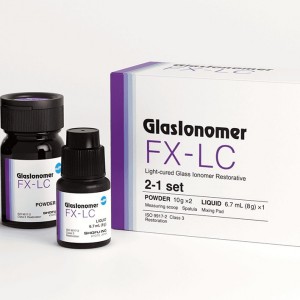
Shofu Dental’s line of dental restorative materials now includes FX-LC, a next-generation, light-cure, resin-reinforced glass ionomer formulated to deliver high strength, efficient 4
News 25 September 2026

The scholarships are part of an ongoing workforce solutions strategy to help address the need for skilled dental hygienists



Copyright © 2026 - All Rights Reserved
ISSN 2767-1178