


The comparison of various oral hygiene strategies in neuromusculary disabled individuals
Background
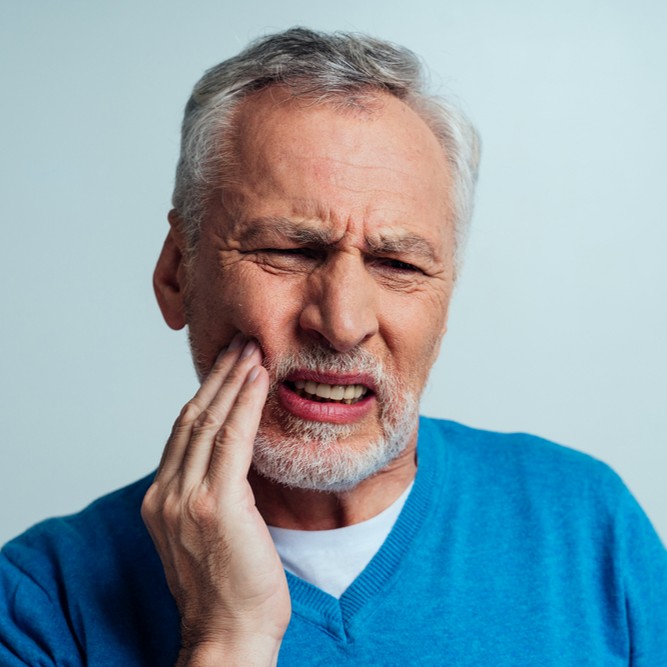
This study aims to investigate the effect of various oral hygiene strategies on the symptoms of inflammation in neuromuscularly disabled patients and to define the optimum hygiene method.
Methods
Fifty-nine neuromuscularly disabled participants, suffering from cerebral palsy, were randomly divided into five groups as follows: Group M: manual toothbrush (n=14), Group E: electrically powered toothbrush (n=9), Group MC: manual toothbrush and chlorhexidine gluconate (CHX) spray (n=13), Group EC: electrically powered toothbrush and CHX spray (n=9), and Group C: CHX spray (n=14). The oral hygiene applications were provided by the parents and staff. At baseline and after 21 days the plaque index (PI), the gingival index (GI), and bleeding on probing (BOP) were recorded.
Results
In intra-group comparisons of the pre- and post-application scores, in all groups the PI and GI scores and BOP percentages, except in Group C, were found significantly different (p<0.05). There were significant differences among the post-application scores, between Group M and Group E and between Group C and Group E in PI scores; between Group C and Group E the difference in GI scores were found statistically significant (p<0.05).
Conclusions
Although all oral hygiene strategies reduced plaque and gingival inflammation, the results of our study suggested the electrically powered toothbrush could be more recommendable to neuromuscularly disabled people in these strategies, while the combined procedures appeared to be neither beneficial nor favorable.
Authors: Fatma Yeşim Bozkurt, Özlem Fentoğlu, Zuhal Yetkin
Source: https://thejcdp.com/
 Related articles
Editorials 09 December 2025
Comparison of patient testimonials of orthognathic surgery on YouTube and TikTok

To investigate and compare the educational value of the most popular testimonials between TikTok (TT) and YouTube (YT), and to classify the emotional response of viewers through sentiment analysis of...
Endodontics 01 September 2025

Many recent technological advancements have been made in the field of endodontics; however, comparatively few studies have evaluated their impact on tooth survival.
Products 28 October 2024
Invisalign Smile Architect Launches Enhanced Software for Side-by-Side Treatment Plan Comparisons

Align Technology announced the release of the latest innovation in its Invisalign Smile Architect software.
Periodontology 23 August 2024

To evaluate efficacy of a problem-based learning (PBL) pedagogy in preclinical and clinical teaching, test scores of 234 undergraduate dental students from the conventionally taught classes of 2003...
Prosthodontics 08 March 2024
Comparison of different intraoral scanning strategies for inlay restorations

Since the introduction of intra-oral scanners (IOSs), various scanning strategies have been proposed
Read more
Europe 18 October 2026 - 30 November -0001
IDS Cologne 2027 in Cologne: Event Preview and Professional Highlights

The IDS Cologne 2027 will take place from March 16, 2027 to March 20, 2027 in Cologne, Germany, offering dental professionals a focused environment for continuing education, clinical updates and...
Solutions is an Edra professional dentistry reference focused on clinical practice, education and treatment planning.
Products 16 October 2026
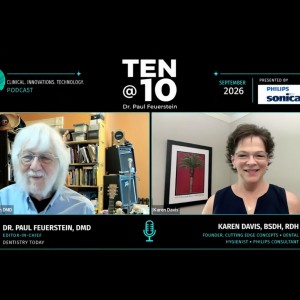
Karen Davis on Philips Sonicare DiamondClean 9900 Prestige & Smarter Brushing
News 16 October 2026
Align Technology to Report Q3 2026 Financial Results October 28
(Nasdaq: ALGN), a leading global medical device company that designs, manufactures, and sells the Invisalign® System of clear aligners, iTero™ intraoral scanners, and exocad™ CAD/C
News 16 October 2026
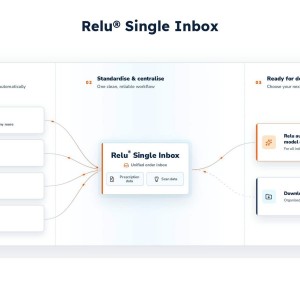
Fewer people on intake, faster turnaround, and no lost cases: Relu’s new automation captures and centralizes every scan and Rx from every source within a minute of arrival



Copyright © 2026 - All Rights Reserved
ISSN 2767-1178