


The fascination with volatility
Author: Luigi Campopiano
The squint of Venus is a small defect that adds charm to the look (it takes its name from Botticelli's painting, The Birth of Venus: the eyes of the goddess of beauty are not aligned). Precisely because it is very light, this defect has its own particular charm: the eyes cannot fix the same point simultaneously.
Part of the Italian savers have brought this defect in the field of investments: they cannot see the financial markets with the same eyes, so the fluctuations (positive and negative) are not seen and evaluated with the same yardstick, which ends up distorting the look, and this is devoid of charm.
After more than a year of growth for all markets (equities and bonds), volatility has returned since the beginning of the year: inflation (also impacts bonds) in Europe and the USA, the slowdown in China, rise in prices of gas and oil, shortage in the supply of some goods. In short, many elements have brought tension to the markets.
Going back to Venus' squint, when the deviation increases dramatically, it assumes a pathological aspect and loses all its beauty: and what happens? That many, even in the wake of the news screamed by the newspapers, begin to write and call in a panic asking if it is time to sell everything and get in liquidity (to have this squint in the evaluations are always the same ones who have already done so maybe in 2001-02, in 2007-08, and then in 2011-12 and last year. And every time they made a mistake, they went out of the market, and they were out when it, punctually and unexpectedly, rebounded, ending up losing yet another occasion. Unfortunately, the press also has part of the blame.
If you don't agree to see fluctuations, you shouldn't invest. The problem is that those who invest know very well that not losing money is essentially impossible (anyone with a past as an investor in the financial markets has had their losses): you have to endure the famous "drawdowns" of the market because it is the norm and not the exception and is the famous "price" to be paid to obtain the greater long-term gains statistically brought by shares compared to bonds and liquidity (in the long term, shares have delivered to their holders higher returns than bonds in the order of 4, 5% for each year: it is the so-called "risk premium" which compensated investors for having endured greater volatility and greater falls in prices at certain times).
There have been moments of high volatility; there are and always will be. The gains have arrived, but it is worth remembering that they are not guaranteed and that, therefore, great clarity of purpose and the ability to tolerate negative market movements are needed; on the other hand, there is no alternative. In short, to have a return, you have to accept volatility.
 Related articles
Editorials 15 September 2023

The first reaction during a period of high market volatility could be to panic. But it’s better to avoid that and to instead plan.
Editorials 26 May 2023

A financial professional's proven ability to build client confidence and help them stay invested can be considered invaluable, especially in these exceptionally challenging times.

Long live simplicity
In the life of someone who is trying to save money for the future, mistakes can be made. After all, we all make mistakes in life.
Editorials 30 December 2022

From the point of view of savings and investments, this means bringing added value through choices which appear illogical in terms of achieving what is shared. ...
Editorials 02 December 2022
If we focus on portfolio choices, we should avoid reacting with fear to what could be short-term market factors.
Read more
Europe 11 October 2026 - 30 November -0001
Scandinavian Dental Fair 2026: Event Preview and Professional Highlights

The Scandinavian Dental Fair 2026 will take place from November 11, 2026 to November 13, 2026 in TBD, Sweden/Denmark, offering dental professionals a focused environment for continuing education,...
Edra Professional Books 10 October 2026
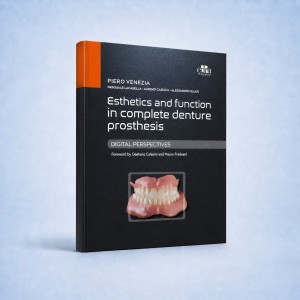
Esthetics and function in complete denture prosthesis is an Edra professional dentistry reference focused on clinical practice, education and treatment planning.
Products 09 October 2026

Oral-B and Crest, Official Oral Care Partners of the NFL, recently announced the launch of new special-edition products, giving fans even more ways to celebrate their love of the g
News 09 October 2026

Apex Dental Partners, a dental partnership organization supporting dentists and affiliated practices, has been named No.
News 09 October 2026

New education website and fully funded Swiss fellowship program debut at the 2026 Orthopaedic Trauma Association Annual Meeting in Nashville



Copyright © 2026 - All Rights Reserved
ISSN 2767-1178