


JOMS Study: Early Removal of Extra Front Tooth May Reduce Complications in Children
Most children grow 20 baby teeth and, eventually, 32 permanent ones.
An extra tooth that appears between the two upper front teeth is called a mesiodens. It’s one of the most common dental abnormalities in children—and if left alone—it can crowd, block, or push permanent teeth out of position.
A new report in the Journal of Oral and Maxillofacial Surgery (JOMS) suggests that for many children, having it removed around ages 6 to 7 is the best way to protect normal dental development.
The study, published in the February 2026 issue of the peer-reviewed official journal of the American Association of Oral and Maxillofacial Surgeons (AAOMS), examined existing research on when removal tends to produce the best outcomes. Author Makoto Adachi, DDS, PhD, found that acting early—before permanent front teeth are fully formed—can prevent problems that become significantly harder to correct later.
“Current evidence supports early surgical intervention around 6 to 7 years of age,” Dr. Adachi writes, especially when imaging shows the extra tooth is likely to interfere with nearby permanent teeth.
A mesiodens doesn’t always cause immediate, visible problems, which is why determining when to remove it can be tricky. The extra tooth can disrupt permanent teeth from forming around it, and by the time the damage is obvious, a child may need more extensive treatment to correct it.
Removing the tooth earlier, when the roots of nearby permanent teeth are still developing, gives those teeth a better chance to grow in normally. In some cases, the review notes that waiting and monitoring is still the right call. But the decision should be based on the tooth’s position, its orientation, and how close it sits to developing permanent teeth—not age alone.
What parents can ask their dental specialist
If a child has been diagnosed with a mesiodens, these questions can help guide the conversation:
Read the full article, “Mesiodens Removal: Resolving the Early Versus Late Intervention Dilemma,” at JOMS.org/article/S0278-2391(25)00801-8/fulltext.
The Journal of Oral and Maxillofacial Surgery is published by AAOMS to present to the dental and medical communities comprehensive coverage of new techniques, important developments, and innovative ideas in oral and maxillofacial surgery. Practice-applicable articles help develop the methods used to handle dentoalveolar surgery, facial injuries and deformities, TMJ disorders, oral and head and neck cancer, jaw reconstruction, anesthesia, and analgesia. The journal also includes specifics on new instruments, diagnostic equipment, and modern therapeutic drugs and devices.
The American Association of Oral and Maxillofacial Surgeons (AAOMS) represents more than 9,000 oral and maxillofacial surgeons in the United States and supports the specialty through education, advocacy, and public awareness.
Source: https://www.joms.org/article/S0278-2391(25)00801-8/fulltext
 Related articles
News 11 June 2026
New research suggests a common facial treatment given before jaw surgery could ease postsurgical discomfort and lessen the need for opioids during recovery.

New partnership will expand clinician access to practical AI education designed to help practices improve care delivery, patient communication, operational efficiency, and financia
News 30 April 2026

HuFriedyGroup, a global leader in dental instrument manufacturing, infection prevention, and education solutions, is proud to announce a new strategic partnership with Seattle Stud
News 28 April 2026

Study enrollment completion marks critical milestone in advancing bone regeneration for dental reconstruction using Theradaptive’s targeted therapeutic platform
Read more
Products 25 September 2026
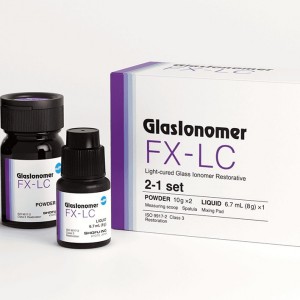
Shofu Dental’s line of dental restorative materials now includes FX-LC, a next-generation, light-cure, resin-reinforced glass ionomer formulated to deliver high strength, efficient 4
News 25 September 2026

The scholarships are part of an ongoing workforce solutions strategy to help address the need for skilled dental hygienists
News 25 September 2026

Michael Riccobene celebrates teamwork, community and more than 25 years of growth as one of sports’ most iconic trophies makes a special stop in Garner.
Editorials 25 September 2026

Oral surgery 25 September 2026
This peer-reviewed oral surgery article summarizes clinical evidence from International journal of oral and maxillofacial surgery (2026). It focuses on findings that may help dental professionals...



Copyright © 2026 - All Rights Reserved
ISSN 2767-1178