


Orthodontic or surgical extrusion: which is the best option to
By Arianna Bianchi

Clinicians often find themselves having to rehabilitate severely compromised dental elements. However, since we are in what Clark and Levin refer to as “the era of dental implants,” the extraction of a very damaged tooth and its replacement with an implant represents a common therapeutic choice.
It is also necessary to underline how the survival rate of implants is lower than that of teeth, even if severely damaged but adequately treated.
Basically, three options are possible to treat these types of dental elements: crown lengthening, orthodontic extrusion and surgical extrusion.
Crown lengthening is considered an invasive technique, which causes the removal of part of the bone support, while both orthodontic and surgical extrusion can avoid this inconvenience and can be used successfully in the treatment of severely damaged teeth.
Materials and methods
In a study published in the International Journal of Environmental Research and Public Health in September 2021, a bibliographic search is presented using the PubMed database and the keywords used, to analyze both orthodontic and surgical extrusion, were orthodontic extrusion, orthodontic forced extrusion, orthodontic forced eruption and surgical extrusion.
No filter was applied regarding patient age, gender and country. Original English-language articles and reviews describing one or both techniques were selected based on title and abstract.
Results
A total of 57 articles on surgical extrusion, 52 on orthodontic extrusion, four on splint effect, nine on biological width and 16 articles on surgical crown lengthening were selected.
After screening of all the texts, 12 articles were found to be suitable for the synthesis of the results, for which the advantages, disadvantages, indications, contraindications and complications of each technique were analyzed.
Conclusions
Both surgical and orthodontic extrusion can be used successfully in the treatment of severely compromised teeth. According to the synthesis of the literature, the authors recommend performing surgical extrusion if there is a need to solve endodontic problems that cannot be treated with traditional orthograde endodontic techniques or as an alternative to the extraction of teeth that cannot be restored.
Instead, it is preferable to choose orthodontic extrusion if a highly predictable treatment is required, if an orthodontic device is already present and if it is necessary to preserve the vitality of the tooth or treat teeth that are not compatible with an atraumatic extraction.
A future perspective to pursue is a combined technique, which can merge the advantages of both techniques.
For more information: "Orthodontic extrusion vs. surgical extrusion to rehabilitate severely damaged teeth: a literature review."
 Tag
Tag
Related articles
Restorative dentistry 12 September 2025
Traumatic tooth injuries involve function and aesthetics and cause damage that range from minimal enamel loss to complex fractures involving the pulp tissue and even loss of the tooth crown.
Orthodontics 21 August 2026
This peer-reviewed orthodontics article summarizes clinical evidence from Dental press journal of orthodontics (2026). It focuses on findings that may help dental professionals evaluate treatment...
Products 07 August 2026
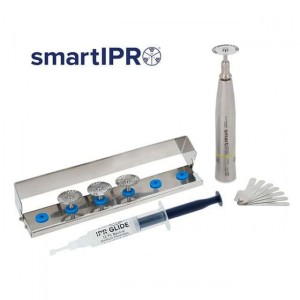
Partnership with Eversmile makes o scillating s ystem available through HSO in the United States.
Orthodontics 07 August 2026
This peer-reviewed orthodontics article summarizes clinical evidence from Dental press journal of orthodontics (2026). It focuses on findings that may help dental professionals evaluate treatment...

Partnership with Eversmile makes o scillating s ystem available through HSO in the United States.
Read more
Europe 27 September 2026 - 30 November -0001
Digital Dentistry Society Global Congress 2026: Event Preview and Professional Highlights

The Digital Dentistry Society Global Congress 2026 will take place from October 22, 2026 to October 24, 2026 in TBD, Rotating Europe, offering dental professionals a focused environment for...
Editorials 27 September 2026
Dentistry33 survey highlights replacement care, deep caries and evolving restorative workflows
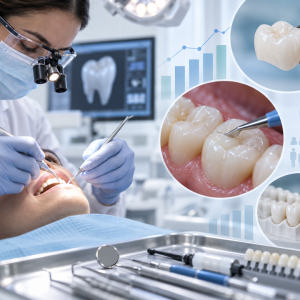
Reader survey finds direct composites remain dominant, secondary caries is the leading reason for restoration replacement, and clinicians want more training in pulp preservation
Reader survey finds direct composites remain dominant, secondary caries is the leading reason for restoration replacement, and clinicians want more training in pulp preservation
Edra Professional Books 26 September 2026
Manual of oral surgery: A Practical Reference for Dental Professionals
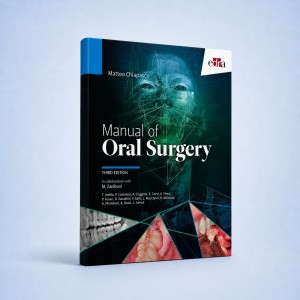
Manual of oral surgery is an Edra professional dentistry reference focused on clinical practice, education and treatment planning.
Products 25 September 2026
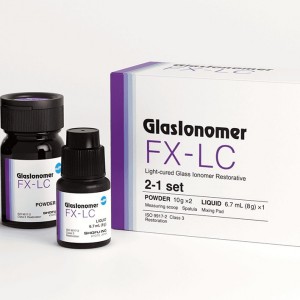
Shofu Dental’s line of dental restorative materials now includes FX-LC, a next-generation, light-cure, resin-reinforced glass ionomer formulated to deliver high strength, efficient 4
News 25 September 2026

The scholarships are part of an ongoing workforce solutions strategy to help address the need for skilled dental hygienists


Copyright © 2026 - All Rights Reserved
ISSN 2767-1178