


Preventive effect of probiotics on oral mucositis induced by anticancer therapy: a systematic review and meta-analysis of randomized controlled trials.
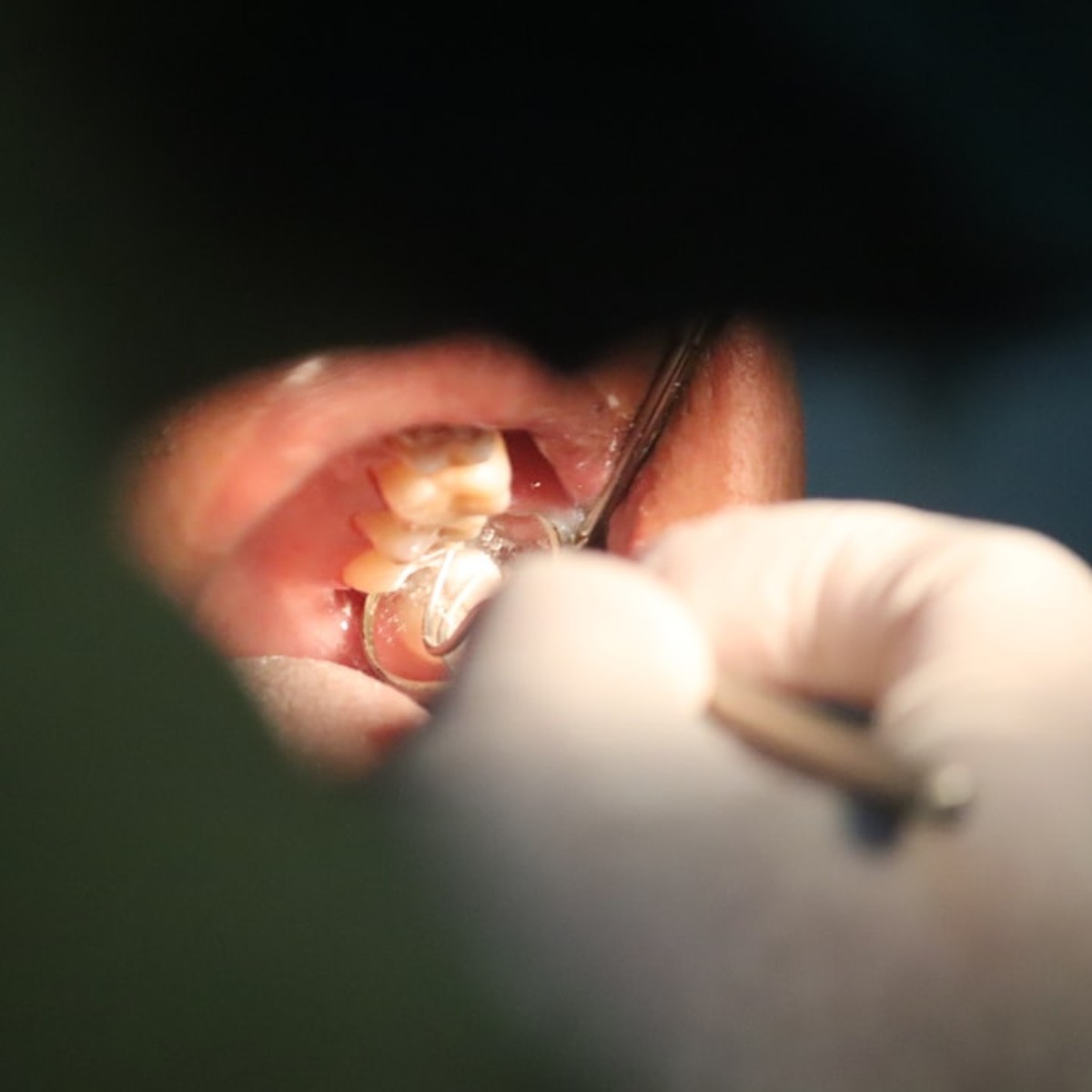
This peer-reviewed oral pathology article summarizes clinical evidence from BMC oral health (2024). It focuses on findings that may help dental professionals evaluate treatment decisions, patient outcomes, or clinical protocols.
Abstract
BACKGROUND: Oral mucositis (OM) is a prevalent and painful complication in patients undergoing anticancer treatment, which significantly impacts patients' quality of life (QoL) and adherence to therapy. The use of oral probiotics as a preventive strategy for OM has shown promise, but the clinical evidence remains inconclusive. This meta-analysis of randomized controlled trials (RCTs) aims to evaluate the efficacy of probiotics in preventing OM caused by radiotherapy and/or chemotherapy.
METHODS: A comprehensive search of PubMed, EMBASE, Web of Science, Cochrane Library, and ClinicalTrials.gov was conducted up to January 31, 2024, to identify eligible RCTs. The primary outcomes were the incidences of severe OM and all-grade OM. Secondary outcomes included rates of anticancer treatment completion, clinical response, requirement for enteral nutrition, time course of OM, body weight loss, QoL, and adverse events (AEs). Risk ratios (RRs) with 95% confidence intervals (CIs) were calculated.
RESULTS: A total of 12 RCTs involving 1,376 patients were included in the quantitative analysis. Probiotics administration significantly reduced the risk of severe OM (RR = 0.61, 95%CI: 0.53-0.72, P < 0.001) and all-grade OM (RR = 0.90, 95%CI: 0.82-0.98, P = 0.016) compared to the control group. Multi-strain probiotics formulations were more effective than single-strain probiotics in preventing severe OM (P = 0.011). There were no significant differences between the probiotics and control groups regarding anticancer treatment completion (RR = 1.03, 95%CI: 0.98-1.08, P = 0.198), clinical response to therapy (RR = 1.05, 95%CI: 0.94-1.17, P = 0.406), or the need for enteral nutrition (RR = 1.28, 95%CI: 0.49-3.35, P = 0.680). AEs related to probiotics were rare, with no serious AEs attributable to probiotics use.
CONCLUSIONS: Oral probiotics are both safe and effective in preventing and reducing the severity of OM in patients undergoing anticancer therapy. Multi-strain probiotics demonstrate superior efficacy compared to single-strain probiotics. Further research is warranted to confirm these findings and optimize probiotic treatment strategies for cancer patients.
Key takeaway
Key takeaway: This review-level evidence helps clinicians interpret the consistency and strength of available clinical findings in this topic area.
Introduction from full text
Alteration of the gut microbiota with probiotic species is very prominent in human and animal disease treatment. The potential of probiotic species has recently motivated researchers to examine the production of probiotic foods and the modulation of the gut microbiota. The importance of consumption of probiotic foods with a specific mix of bacteria has been widely studied since the beginning of the 20th century, and yogurt has drawn attention to maintaining good health via development of the digestive system and the prevention of various degenerative diseases [ 1 – 3 ].
The word “probiotic” comes from Greek and means “for life.” In 1954, Ferdinand Vergin conceived the term “probiotic” in an article entitled “Anti-und Probiotika,” in which several microorganisms were studied to make a list of useful bacteria and to determine the detrimental effects of antibacterial agents and antibiotics on the intestinal microbiota [ 4 ]. A few years later, Lilly and Stillwell described probiotics as beneficial microorganisms that exert growth-promoting factors for other microorganisms [ 5 ]. The term “probiotics” has been modified over time and with research into their application and clinical trials in various human and animal models. According to the Food and Agriculture Organization (FAO) and the World Health Organization (WHO), probiotics are live strains of microorganisms that confer health benefits upon the host when administrated in adequate amounts [ 6 ], and this definition is followed by the International Scientific Association for Probiotics and Prebiotics (ISAPP) [ 7 , 8 ]. However, researchers continue to develop new probiotic species, even though probiotic species have long been used for human health improvement. Most probiotic products today are developed with Bifidobacteria , Lactobacilli , and other lactic acid bacteria, such as Lactococci and Streptococci . Other promising probiotic strains include the bacterial genera Bacillus , Escherichia , and Propionibacterium and some other yeast genera, mainly Saccharomyces . Probiotics are usually considered to be safe for human health with limited adverse effects [ 9 ]. Several species and strains of Lactobacilli , including Lactobacillus acidophilus , Lactobacillus casei , Lactobacillus rhamnosus , and Lactobacillus helveticus , have been extensively studied in the prevention of human and animal diseases. These probiotic species are able to change the population of microorganisms in the gut microbiota and control the functioning of the ecosystem of gut microbiota. In earlier studies, considerable evidence of clinical trials of probiotics in animal and human models has reported suitability for the treatment of a variety of diseases, and this number continues to grow.
The human gut is a complex ecosystem in which nutrients, the microbiota, and host cells interact extensively. The relationships between these microorganisms and host cells were long considered only from a pathogenic point of view because toxins invade the gut mucosa and translocate, disseminate, and cause systemic infections [ 10 ]. However, no attention was paid to the majority of gut microorganisms and their relationship with host health. Several studies have reported beneficial interactions between the commensal microbiota and the human body and have indicated that the microbiota acts as a real partner. A deeper understanding of the gut microbiota and its role is necessary for future healthcare strategies. In this regard, extensive study of the potential use of selected probiotic bacteria species and their strains is desperately needed for the prevention and treatment of numerous human and animal diseases [ 11 – 14 ].
The relationship between health and the composition of the gut microbiota has raised interest in the modulation of the gut microbiota by administration of probiotic species for the prevention of some diseases in humans and animals. This review focuses on the gut microbiota and several probiotic species that have been extensively studied in the modulation of the gut microbiota and prevention of degenerative diseases.
Peer-reviewed source
Bo Yang, Wenjun Li, Jing Shi
BMC oral health. 2024
DOI: 10.20960/nh.1642
PMID: 39343876
PubMed: https://pubmed.ncbi.nlm.nih.gov/39343876/
Image: Mufid Majnun (Unsplash)
 Related articles
Oral pathology 22 September 2026
This peer-reviewed oral pathology article summarizes clinical evidence from Oral oncology (2026). It focuses on findings that may help dental professionals evaluate treatment decisions, patient...
Oral pathology 17 September 2026
This peer-reviewed oral pathology article summarizes clinical evidence from BMC oral health (2024). It focuses on findings that may help dental professionals evaluate treatment decisions, patient...
Oral pathology 15 September 2026
This peer-reviewed oral pathology article summarizes clinical evidence from Oral oncology (2026). It focuses on findings that may help dental professionals evaluate treatment decisions, patient...
Oral pathology 08 September 2026
This peer-reviewed oral pathology article summarizes clinical evidence from Oral oncology (2026). It focuses on findings that may help dental professionals evaluate treatment decisions, patient...
Oral pathology 02 September 2026
This peer-reviewed oral pathology article summarizes clinical evidence from BMC oral health (2024). It focuses on findings that may help dental professionals evaluate treatment decisions, patient...
Read more
Europe 27 September 2026 - 30 November -0001
Digital Dentistry Society Global Congress 2026: Event Preview and Professional Highlights

The Digital Dentistry Society Global Congress 2026 will take place from October 22, 2026 to October 24, 2026 in TBD, Rotating Europe, offering dental professionals a focused environment for...
Editorials 27 September 2026
Dentistry33 survey highlights replacement care, deep caries and evolving restorative workflows
Reader survey finds direct composites remain dominant, secondary caries is the leading reason for restoration replacement, and clinicians want more training in pulp preservation
Reader survey finds direct composites remain dominant, secondary caries is the leading reason for restoration replacement, and clinicians want more training in pulp preservation
Edra Professional Books 26 September 2026
Manual of oral surgery: A Practical Reference for Dental Professionals
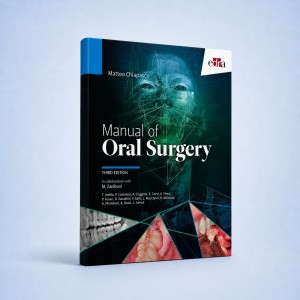
Manual of oral surgery is an Edra professional dentistry reference focused on clinical practice, education and treatment planning.
Products 25 September 2026
Shofu Dental’s line of dental restorative materials now includes FX-LC, a next-generation, light-cure, resin-reinforced glass ionomer formulated to deliver high strength, efficient 4
News 25 September 2026

The scholarships are part of an ongoing workforce solutions strategy to help address the need for skilled dental hygienists



Copyright © 2026 - All Rights Reserved
ISSN 2767-1178