


How long can periodontal treatments prevent tooth loss?
Lara Figini

Periodontal disease is one of the most common oral diseases worldwide.. The major consequence of periodontitis is an increased mobility of teeth followed by tooth loss. Therefore, the aim of periodontal treatment is to avoid tooth loss in the long-term perspective.
But how much do periodontal treatments really avoid tooth loss? Several observational studies on periodontal treatment report low or moderate long-term extraction rates after periodontal treatment. However, the negative influence of several risk factors, e.g. higher age, smoking or non-compliance with a recall program, have been described.
MATERIALS AND METHODS
In a recent study, published on Journal of Dentistry of January 2019, the percentage of lost teeth, which then required extraction after periodontal treatment, is investigated. The authors of this study collected data from the digital database of a major German national health insurance company. Two groups were present in the study:
- Treatment group: in which periodontal treatments were performed.
- Control group: in which periodontal treatments were not performed.
Kaplan-Meier survival analyses on the patient level with the primary outcome extraction were carried out over four years. Differences were tested with the Log-Rank test. Extraction incidences were calculated over a matched observation period six years before and four years after treatment for both treatment and control group.
RESULTS
The authors traced a total of 415.718 periodontal treatments. Based on the "extraction" result, the cumulative four-year survival rate was 63.8% after periodontal treatment. The control group showed a survival rate of 72.5%. The extraction incidence over time was higher in a four-year period after periodontal treatment compared to a six-year period before periodontal treatment.
CONCLUSIONS
From the data of this observational study the outcome of periodontal treatments is to be considered acceptable. In approximately two thirds of patients, extraction could be completely avoided within a period of four years after treatment.
Although periodontitis is a very common chronic disease, patients can rely on periodontal care as these treatments demonstrate a considerable chance of preventing further tooth loss.
For additional informations:
Tooth loss after periodontal treatment - Mining an insurance database.
 Related articles
Periodontology 10 September 2026
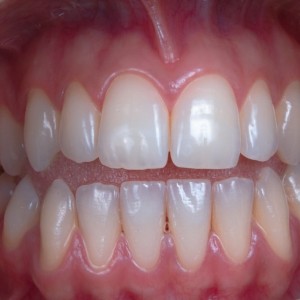
This peer-reviewed periodontology article summarizes clinical evidence from BMC oral health (2026). It focuses on findings that may help dental professionals evaluate treatment decisions, patient...
Periodontology 14 July 2026
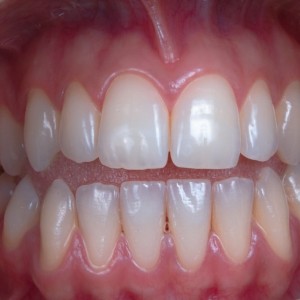
This peer-reviewed periodontology article summarizes clinical evidence from Oral health & preventive dentistry (2026). It focuses on findings that may help dental professionals evaluate treatment...
Periodontology 07 July 2026
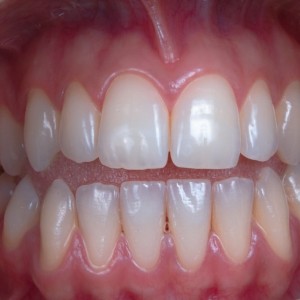
This peer-reviewed periodontology article summarizes clinical evidence from Oral health & preventive dentistry (2026). It focuses on findings that may help dental professionals evaluate treatment...
Periodontology 30 June 2026
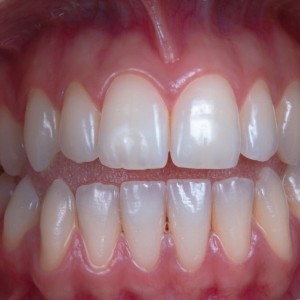
This peer-reviewed periodontology article summarizes clinical evidence from Oral health & preventive dentistry (2026). It focuses on findings that may help dental professionals evaluate treatment...
Periodontology 23 June 2026
This peer-reviewed periodontology article summarizes clinical evidence from Oral health & preventive dentistry (2026). It focuses on findings that may help dental professionals evaluate treatment...
Read more
Products 22 September 2026

News 22 September 2026

New FlexPayments features help Open Dental practices convert more diagnosed treatment into scheduled care and automatically recover credit card processing fees they’ve been absorbi
News 22 September 2026
The Accreditation Association for Ambulatory Health Care (AAAHC) has accredited Momenta Oral & Maxillofacial Surgery, a full-scope oral and maxillofacial surgery (OMS) practice wit
Editorials 22 September 2026
Tooth travelers: Students sharpen their skills on dental mission trips over the summer breaks
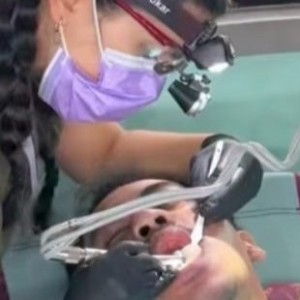
A busy dental student scheduled to graduate next May, few would fault Mackenzie “Kenzie” Bankes for heading to Jamaica for a few lazy days to enjoy sandy beaches and misty mountain
Oral pathology 22 September 2026

This peer-reviewed oral pathology article summarizes clinical evidence from Oral oncology (2026). It focuses on findings that may help dental professionals evaluate treatment decisions, patient...



Copyright © 2026 - All Rights Reserved
ISSN 2767-1178