


Natural Agents for the Improvement of Gingival Health: Systematic Review and Meta-Analysis of Randomized Clinical Trials.
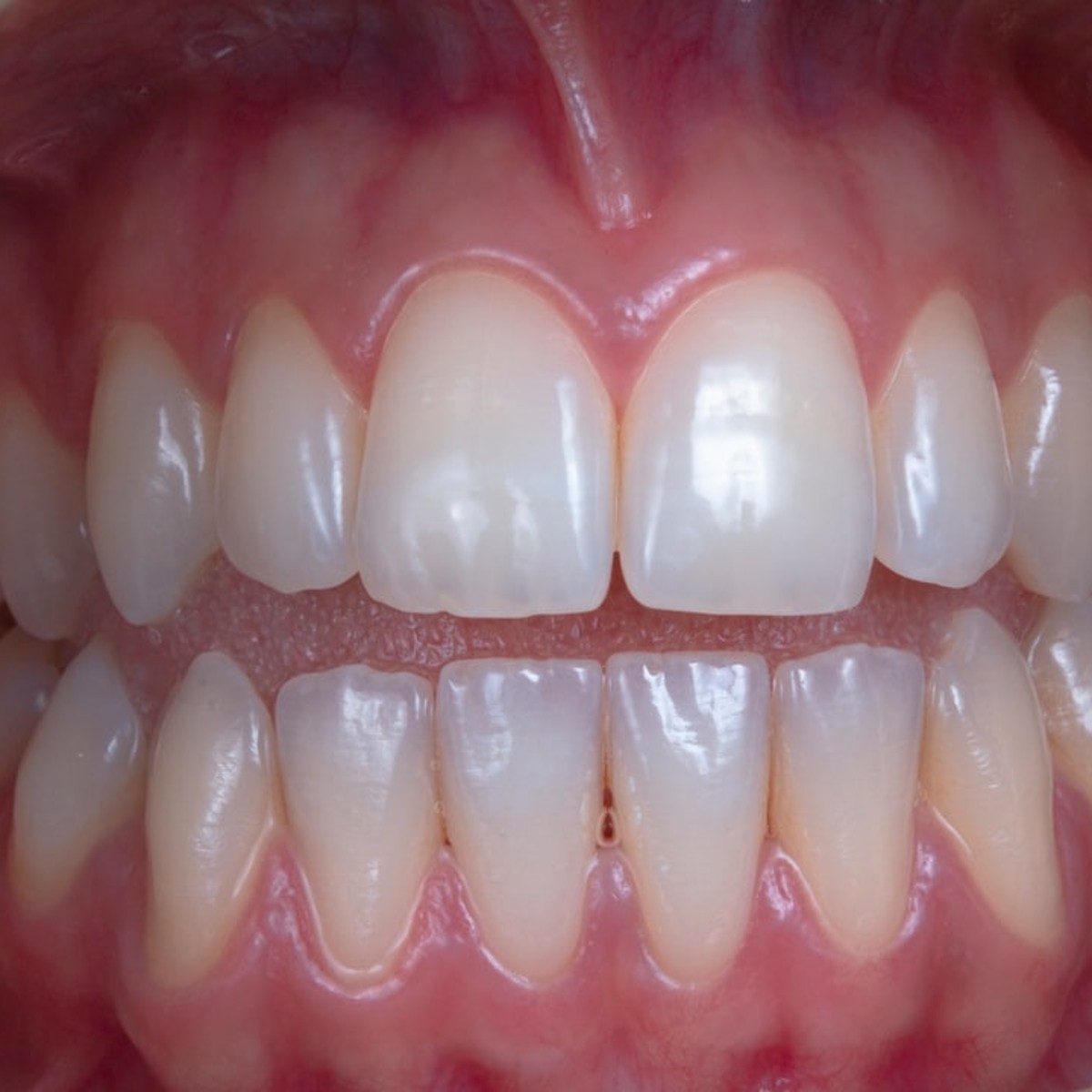
This peer-reviewed periodontology article summarizes clinical evidence from Oral health & preventive dentistry (2026). It focuses on findings that may help dental professionals evaluate treatment decisions, patient outcomes, or clinical protocols.
Abstract
PURPOSE: This systematic review and meta-analysis evaluated the efficacy of natural ingredients used in toothpastes and gels in improving gingival health.
MATERIALS AND METHODS: A comprehensive search strategy using different databases was conducted in accordance with PRISMA guidelines to identify randomized clinical trials (RCTs) on the use of natural ingredients for improving gingival health. Included studies focussed on outcomes measuring gingival health parameters, such as gingival index (GI), or bleeding on probing (BoP). Out of 249 identified studies, 10 RCTs met the inclusion criteria. Formulations included natural ingredients from plant extracts such as Aloe vera or Pudilan, and hydroxyapatite (as tooth-like calcium phosphate).
RESULTS: The meta-analysis demonstrated a statistically significant improvement in gingival health when natural ingredients were used compared to control toothpastes and gels (p=0.0051). These findings suggest that natural ingredients may offer comparable or superior efficacy to conventional oral care products in terms of gingival health. Notably, Aloe vera and hydroxyapatite consistently demonstrated clinical benefits.
CONCLUSIONS: Natural ingredients used in oral care products represent a promising strategy in gingivitis prevention and management. Their use in toothpastes and gels may therefore provide clinicians and patients with evidence-based, well-tolerated alternatives or adjuncts to conventional formulations for maintaining and improving gingival health.
Key takeaway
Key takeaway: This review-level evidence helps clinicians interpret the consistency and strength of available clinical findings in this topic area.
Introduction from full text
Periodontitis is a multi-factorial disease that affects the majority of the world’s population. Key periodontal pathogens in the supra- and subgingival dental biofilm and periodontal tissues interact with the host immune response via innate and adaptive immunity. This results in connective tissue and alveolar bone destruction and can lead to tooth loss [ 1 , 2 ]. To arrest progressive attachment loss, the systemic and local risk factors associated with periodontitis must be controlled. Removing the dental plaque and deposits by scaling and root planing (SRP) during the active periodontal treatment is imperative [ 3 ]. Moreover, oral hygiene care in the strict supportive periodontal treatment demonstrated long-term stable periodontal status [ 4 , 5 ]. However, the long-term success of periodontal treatment is dependent upon the efficacy of periodontal instrumentation and patient’s cooperation to control the oral hygiene care.
Routine mechanical tooth cleaning by brushing with toothpaste is an effective method to reduce the pathogenic microbial load. To achieve this goal, toothpastes containing antibacterial and chemical agents, i.e., chlorhexidine, triclosan, and metal salts, have been evaluated [ 6 ]. Presently, the awareness of the minimal toxicity and less harmful effects of herbal toothpastes has increased. Aloe vera ( A. vera ) is a medicinal plant that is commonly used to treat acute or chronic wounds. It is a non-toxic substance and significantly increases fibroblast cell migration [ 7 ]. Additionally, the polysaccharides in A. vera gel reduced the bacterial load by promoting phagocytosis to eradicate the microbes [ 8 ]. A toothpaste containing A. vera demonstrated an antimicrobial effect on oral microorganisms, such as Streptococcus mutans and Candida albicans [ 9 , 10 ]. Moreover, a significant reduction in plaque accumulation from a mouth rinse containing A. vera was also observed [ 11 ]. The A. vera extract treatment also resulted in a significant reduction in glutathione, superoxide dismutase, catalase, glutathione peroxidase, and glutathione S-transferase in the liver and kidney of diabetic rats, demonstrating the antioxidant effect of A. vera gel extract [ 12 ]. Recently, a herbal toothpaste containing A. vera and other herbal products was analyzed in an in vitro study. It significantly increased gingival fibroblast cell migration and showed greater Porphyromonas gingivalis biofilm inhibition [ 13 ]. A toothpaste with antibacterial and enhanced healing effects could be an alternative option for oral care that might provide oral health benefits during periodontal disease treatment. However, the clinical efficacy of the herbal toothpaste containing A.vera in periodontitis treatment has not been determined.
The objective of the study was to evaluate the effect of a herbal toothpaste on PS, BOP, PD, and CAL during active periodontal treatment in non-surgical periodontal treatment (NSPT) patients. The null hypothesis was that the herbal toothpaste containing A. vera did not significantly decrease BOP, PD, and CAL in periodontitis patients during SRP compared to the control and the benchmark toothpaste.
Peer-reviewed source
Frederic Meyer, Zubaida Selva Mohammed, James Deschner, Joachim Enax
Oral health & preventive dentistry. 2026
DOI: 10.3290/j.ohpd.c_2697
PMID: 42317150
PubMed: https://pubmed.ncbi.nlm.nih.gov/42317150/
Image: Ozkan Guner (Unsplash)
 Related articles
Periodontology 08 October 2026
This peer-reviewed periodontology article summarizes clinical evidence from BMC oral health (2026). It focuses on findings that may help dental professionals evaluate treatment decisions, patient...
Periodontology 24 September 2026
This peer-reviewed periodontology article summarizes clinical evidence from BMC oral health (2026). It focuses on findings that may help dental professionals evaluate treatment decisions, patient...
Periodontology 10 September 2026
This peer-reviewed periodontology article summarizes clinical evidence from BMC oral health (2026). It focuses on findings that may help dental professionals evaluate treatment decisions, patient...
Periodontology 14 July 2026
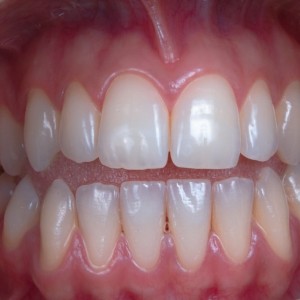
This peer-reviewed periodontology article summarizes clinical evidence from Oral health & preventive dentistry (2026). It focuses on findings that may help dental professionals evaluate treatment...
Periodontology 07 July 2026
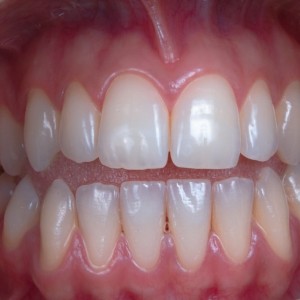
This peer-reviewed periodontology article summarizes clinical evidence from Oral health & preventive dentistry (2026). It focuses on findings that may help dental professionals evaluate treatment...
Read more
Products 08 October 2026
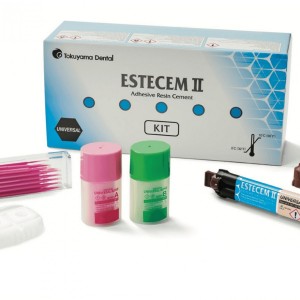
Cementation remains one of the most nuanced and decisive phases in restorative dentistry, where small deviations can significantly influence long-term success.
News 08 October 2026

The Minnesota Dental Association (MDA) installed its 2026-2027 officers and trustees during the Association’s Leadership Conference on September 18 in Shoreview, marking the beginn
News 08 October 2026
Report finds dental practices struggling to hire even as professionals show broad interest in flexible work opportunities
Editorials 08 October 2026

It is with great sadness that Texas A&M College of Dentistry announces the passing of former staff member, Kenneth Howell, who died Wednesday, Sept.
Periodontology 08 October 2026
This peer-reviewed periodontology article summarizes clinical evidence from BMC oral health (2026). It focuses on findings that may help dental professionals evaluate treatment decisions, patient...



Copyright © 2026 - All Rights Reserved
ISSN 2767-1178