


Medicaid Expansion Benefited Facial Trauma Patients
People treated for jaw injuries, broken facial bones, and other facial fractures were more likely to have Medicaid coverage after the Affordable Care Act took effect, according to a study published in the Journal of Oral and Maxillofacial Surgery (JOMS), the peer-reviewed official journal of the American Association of Oral and Maxillofacial Surgeons (AAOMS).
National trauma data show Medicaid coverage rose from 16% to 24% after ACA implementation, while self-pay cases declined, suggesting broader insurance access for patients needing urgent facial trauma care.
People treated for jaw injuries, broken facial bones, and other facial fractures were more likely to have Medicaid coverage after the Affordable Care Act took effect, according to a study published in the Journal of Oral and Maxillofacial Surgery (JOMS), the peer-reviewed official journal of the American Association of Oral and Maxillofacial Surgeons (AAOMS).
The study found Medicaid coverage rose from 16 percent before ACA implementation to 24 percent afterward, while the share of patients listed as self-pay fell from 30 percent to 20 percent.
The findings matter because facial fractures—injuries to the jaw, cheekbones, eye sockets, and nose—are among the more common traumas seen in emergency rooms across the country. These injuries often require specialized surgical care and, in some cases, follow-up treatment after discharge.
Patients who are uninsured may delay care or face large bills after an unexpected injury. Historically, patients who sustain these injuries have been more likely than average to be uninsured. For hospitals and trauma systems, uninsured care also can add financial pressure, especially when treatment must be provided quickly.
Researchers reviewed records for 187,803 adults treated for isolated facial fractures between 2008 and 2019, drawing on data from the American College of Surgeons National Trauma Data Bank, the largest trauma registry in the United States. The injuries analyzed were limited mainly to the face, such as fractures of the jaw, nose, cheek, upper jaw, or bones around the eye. The study was designed to examine whether ACA implementation in 2014 was associated with changes in insurance coverage for these patients.
After accounting for patient, injury, and hospital factors, researchers found patients treated after ACA implementation were nearly twice as likely to have Medicaid coverage compared with those treated before ACA implementation. Medicaid coverage increased at both Level I and non-Level I trauma centers, though the relative increase was greater at non-Level I centers.
The gains were not evenly distributed. Community and regional hospitals, those not designated as Level I trauma centers, saw a proportionally larger increase in Medicaid coverage than major academic trauma centers did. Researchers note this is consistent with broader findings showing that Medicaid expansion tends to have a stronger effect in community and rural settings, where more patients previously had no coverage at all. Ten states had not adopted Medicaid expansion as of early 2026, and researchers note the study likely underestimates the full impact of the ACA in states that did participate since the national database used does not identify patients by state.
The financial stakes extend beyond individual patients. Uncompensated care, treatment provided to patients who cannot pay, has long been a strain on trauma systems that handle facial injuries. Prior research shows patients with facial fractures are transferred to emergency departments unnecessarily, even when their fractures do not require surgery. These unneeded transfers cost the U.S. health care system $100 million a year, which the authors note is largely preventable.
“Ultimately, the results suggest that Medicaid expansion improves access to care for facial trauma and may offer meaningful benefit to trauma systems, historically burdened by high rates of uncompensated care,” the authors said.
Patients who have sustained a jaw or facial injury should consult an oral and maxillofacial surgeon (OMS), who is specially trained to evaluate and treat these injuries. To find a qualified OMS, visit MyOMS.org/Find-a-Surgeon .
The authors of “Did the Affordable Care Act Increase Medicaid Coverage for Isolated Facial Trauma? A National Cohort Study” are Tim T. Wang, DMD, MD, MPH; Lang Liang, BS; Nicholas Wilken, DDS, MD; Darien Weatherspoon, DDS, MPH; Gary Warburton, DDS, MD; John Caccamese, DMD, MD; and Cameron Lee, DMD, MD. The full article can be accessed at https://www.joms.org/article/S0278-2391(26)00189-8/fulltext .
About the Journal of Oral and Maxillofacial Surgery (JOMS)
The Journal of Oral and Maxillofacial Surgery is published by the American Association of Oral and Maxillofacial Surgeons to present the dental and medical communities with comprehensive coverage of new techniques, important developments, and innovative ideas in oral and maxillofacial surgery. Practice-applicable articles help develop the methods used to handle dentoalveolar surgery, facial injuries and deformities, TMJ disorders, oral and head and neck cancer, jaw reconstruction, anesthesia, and analgesia. The journal also includes information on new instruments and diagnostic equipment, as well as modern therapeutic drugs and devices.
The American Association of Oral and Maxillofacial Surgeons (AAOMS) represents more than 9,000 oral and maxillofacial surgeons in the United States. AAOMS surgeons specialize in treating diseases, injuries, and defects of the mouth, jaw, and face. Learn more at AAOM S .org .
Source: http://AAOMS.org
 Related articles
Products 31 October 2024
DentaQuest Selected to Administer Dental Benefits for California’s Medicaid DMC Program

DentaQuest, part of Sun Life U.S., announced it was recently awarded dental managed care (DMC) contracts by the California Department of Health Care Services (DHCS) through its subsidiary, California...
News 06 September 2023
DentaQuest donates $50K to Hurricane Idalia relief efforts in Florida

The contributions include $25,000 to the Florida Disaster Fund, which assists communities as they respond to and recover during times of disaster, along with $5,000 each to five local organizations...
Market 01 August 2023

More than 300,000 people in the state face losing their Medicaid coverage due to changes in the federal insurance program.
News 14 June 2023
WelbeHealth continues LA expansion, opens PACE Centers in Rosemead, North Hollywood

The new locations will increase access to care in underserved communities where thousands of lower-income older adults qualify for health care through the Program of All-Inclusive Care for the...
From the New York State Dental Association
A federal class-action lawsuit brought against the New York State Department of Health (NYSDOH) on behalf of Medicaid recipients in New York who were denied coverage for medically necessary dental...
Read more
Products 23 September 2026
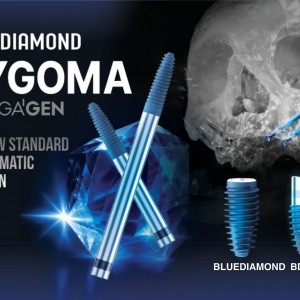
New zygomatic implant system brings MegaGen’s BLUEDIAMOND engineering, XPEED® surface technology, and flexible prosthetic solutions to complex full-arch rehabilitation.
News 23 September 2026

Inaugural GPO Partners include Unified Smiles, the Dentist Entrepreneur Organization (DEO), and Dental Purchasing Partners (DPP)
News 23 September 2026
Growing national network helps patients find local dentists trained to provide oral appliance therapy for obstructive sleep apnea.
Editorials 23 September 2026
Students recently headed back to class for the current academic year, but Texas A&M College of Dentistry is looking ahead as deadlines approach for the dental Class of 2031 and the
Oral Hygiene & Prevention 23 September 2026
Propolis-containing formulations in caries prevention - a systematic review and meta-analysis.

This peer-reviewed oral hygiene & prevention article summarizes clinical evidence from Clinical oral investigations (2026). It focuses on findings that may help dental professionals evaluate...



Copyright © 2026 - All Rights Reserved
ISSN 2767-1178