


New periodontal classification in the evaluation of the future patient at bronj risk
Authors: Davide Scettri, Elisa Bardhi, Anna Chiara Frigo, Filippo Cavallari, Sergio Mazzoleni, Christian Bacci
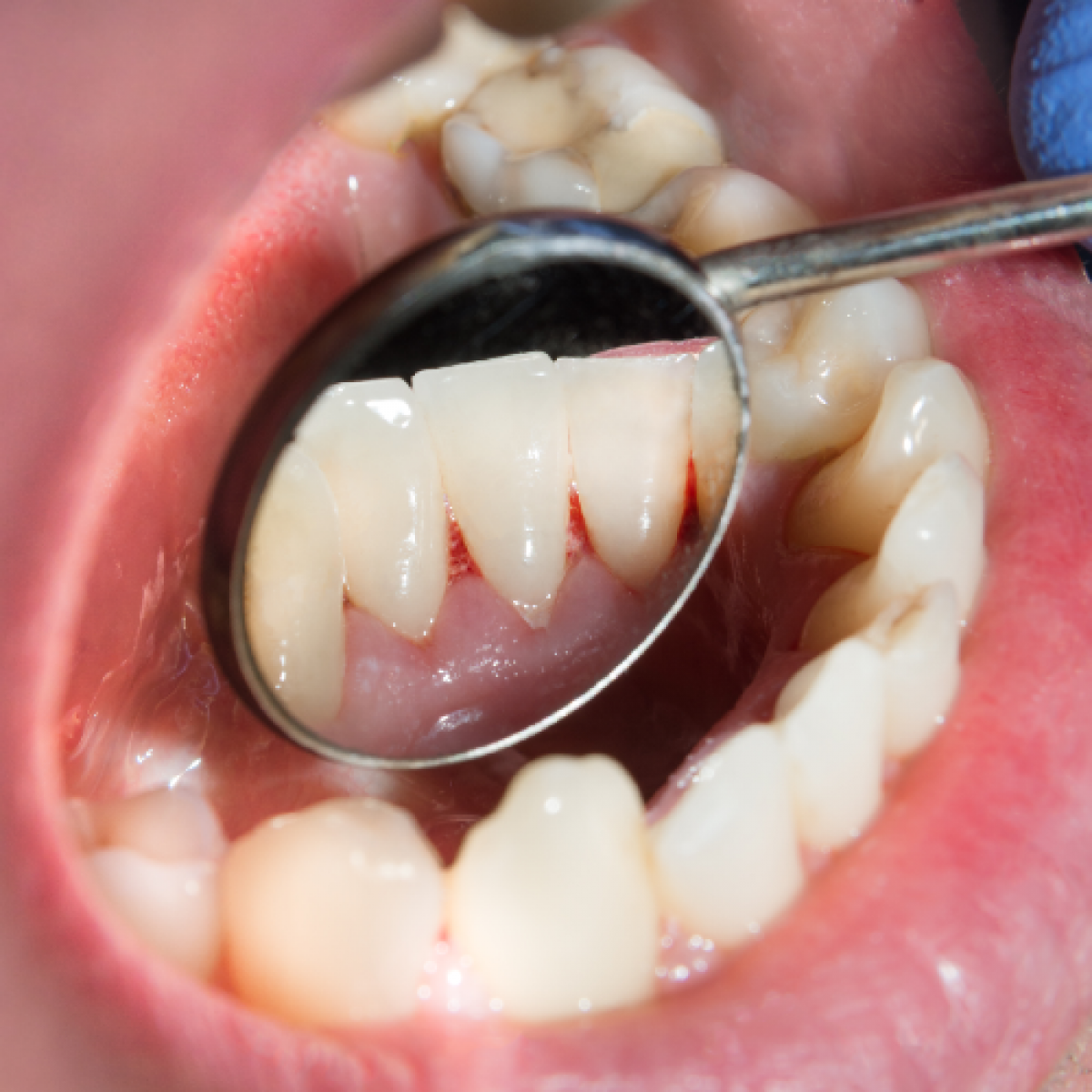
The aim of this study is to evaluate the periodontal status of patients with indications to zoledronic acid therapy for oncological diseases through the application of the New 2017 Classification of periodontal and peri-implant disease.
MATERIALS AND METHODS
Periodontal evaluations were assessed to patients at the Dental Clinic of Padua for the preventive odontostomatological visit to zoledronic acid therapy (Zometa®) (Casi Group). The first group was then compared with a second group comparable in age, gender, diabetes, smoking and systemic diseases not related to the pathology for which therapy with zoledronic acid (Zometa®) (Control Group) was indicated. The computerized periodontal file of the University of Bern was used to record the periodontal parameters. Each patient, during the visit in the presence of imaging, through the use of a Williams and Nabers periodontal probe, was assigned a periodontal status assessment referring to the new 2017 classification of periodontal and peri-implant diseases during the visit.
RESULTS AND CONCLUSIONS
In the Casi Group an average BoP (%) equal to 25.26 and an average percentage presence of plaque (%) equal to 35.53 was detected while in the Controls group an average BoP (%) was detected 35.73 and a percentage presence of plaque (% ) average equal to 25.46. The difference in BoP (%) and Plaque percentage presence (%) is statistically significant. The results of the application of the new classification of periodontal and peri-implant disease showed that, in the Cases group, 6.67% of patients had a state of health, 16.67% was associated with stage 1, 3.3% is been associated with stage 2, 40% were associated with stage 3 and 33.33% with stage 4. Grade A was associated with 57.14% of patients in the Cases group, Grade B with 35.71% and 7.14% grade C. The extension of periodontal disease in the Cases group was generalized in 47.37% of patients and localized in the remaining 55.56%. The results of the application of the new classification of periodontal and peri-implant disease showed that 6.67% of patients in the Controls group were in a state of health, 3.33% were associated with stage 1, 16.67% were associated with stage 2, 43.33% was associated with stage 3 and 30.00% with stage 4. Grade A was associated with 35.71% of the Control group patients, grade B with 60.71% and 3.57% grade C. The extent of periodontal disease in the Controls group was generalized in 52.63% of patients and localized in the remaining 44.44%. The comparison between the results derived from the application of the new periodontal classification carried out through the Fisher's Test, showed that there is no statistically significant difference between the two groups (p> 0.05). This result shows how the periodontal status of patients with indications for zoledronic acid therapy for oncological diseases reflects that of the general population.
CLINICAL SIGNIFICANCE
The new periodontal classification classify patients based on risk factors and periodontal status and the risk of progression of periodontal disease, this allows to obtain a univocal evaluation that facilitates the sharing of data between clinicians and allows a good management over time of patients.
 Related articles
Periodontology 08 October 2026
This peer-reviewed periodontology article summarizes clinical evidence from BMC oral health (2026). It focuses on findings that may help dental professionals evaluate treatment decisions, patient...
Periodontology 24 September 2026
This peer-reviewed periodontology article summarizes clinical evidence from BMC oral health (2026). It focuses on findings that may help dental professionals evaluate treatment decisions, patient...
Periodontology 10 September 2026
This peer-reviewed periodontology article summarizes clinical evidence from BMC oral health (2026). It focuses on findings that may help dental professionals evaluate treatment decisions, patient...
Periodontology 14 July 2026
This peer-reviewed periodontology article summarizes clinical evidence from Oral health & preventive dentistry (2026). It focuses on findings that may help dental professionals evaluate treatment...
Periodontology 07 July 2026
This peer-reviewed periodontology article summarizes clinical evidence from Oral health & preventive dentistry (2026). It focuses on findings that may help dental professionals evaluate treatment...
Read more
Products 13 October 2026


New Resources Help Dental Exhibitors Evaluate Their Investment and Explore the Personify ShowFlow™ Trade Show Success System
News 13 October 2026

New patient apps extend The Aspen Group’s mission to remove barriers to care, giving patients greater visibility, convenience, and control from booking through treatment
Editorials 13 October 2026

The forerunner of what’s now Texas A&M College of Dentistry opened 120 years ago in Dallas with the mission of educating dentists to provide quality care to patients in North Texas
Oral pathology 13 October 2026

This peer-reviewed oral pathology article summarizes clinical evidence from Oral oncology (2026). It focuses on findings that may help dental professionals evaluate treatment decisions, patient...



Copyright © 2026 - All Rights Reserved
ISSN 2767-1178