


Efficacy of combined periodontal-restorative treatment versus periodontal treatment alone for gingival recession associated with non-carious cervical lesions: a systematic review and meta-analysis.
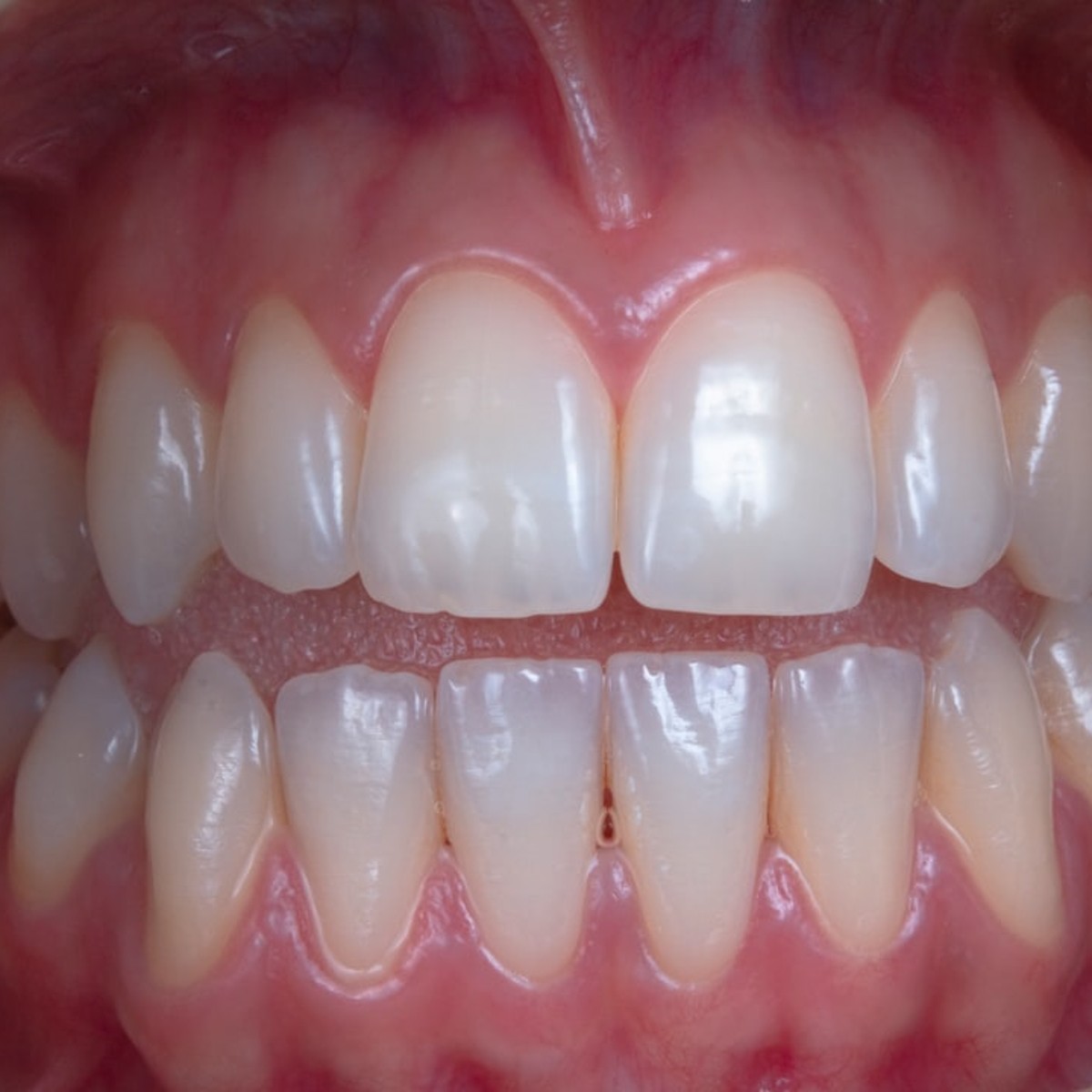
This peer-reviewed periodontology article summarizes clinical evidence from BMC oral health (2026). It focuses on findings that may help dental professionals evaluate treatment decisions, patient outcomes, or clinical protocols.
Abstract
OBJECTIVE: Gingival recession (GR) is frequently associated with non-carious cervical lesions (NCCLs), necessitating a combined periodontal and restorative approach for optimal clinical management. This systematic review and meta-analysis compared integrated periodontal-restorative interventions with isolated periodontal treatment for managing GRs linked to NCCLs.
METHODS: A comprehensive search of electronic databases, including PubMed, Cochrane Library, SciELO, Scopus, Web of Science, Embase, OpenAIRE, ProQuest, and Google Scholar, was performed up to December 2025 to identify randomized clinical trials (RCTs) with ≥ 1-year follow-up. We analyzed studies comparing integrated periodontal-restorative interventions against isolated periodontal therapy for NCCL-associated GRs. Risk of bias was assessed using RoB 2.0, while evidence certainty was graded using the GRADE framework.
RESULTS: Out of 199 screened records, four RCTs were included. Pooled data showed no significant differences between the treatment groups regarding nine periodontal parameters, with the exception of a slight increase in probing depth in the combined therapy groups.
CONCLUSION: No statistically significant differences were observed between combined periodontal-restorative treatment and periodontal treatment alone for most clinical, esthetic, and root coverage outcomes in the management of gingival recessions associated with non-carious cervical lesions. The combined approach was associated with a significant reduction in dentin sensitivity and a statistically significant increase in probing depth, although the clinical relevance of the latter finding appears limited because it remained values within healthy periodontal ranges. These findings should be interpreted cautiously due to the low to very low certainty of evidence and the limited number of available randomized clinical trials. Further well-designed multicenter studies are needed to confirm the long-term effects of these interventions.
Key takeaway
Key takeaway: This review-level evidence helps clinicians interpret the consistency and strength of available clinical findings in this topic area.
Introduction from full text
A non-carious cervical lesion (NCCL) is described as the loss of hard tissue at the cemento-enamel junction (CEJ) in the absence of caries. 1 These lesions can lead to tooth hypersensitivity, plaque deposition, and further gingival irritation. 2 Frequently, they are associated with gingival recession, causing structural weaknesses reflected in a poor crown-root ratio and esthetic complaints. Unfortunately, the restoration of the cervical area using a resin composite or glass ionomer (GI) has shown a high failure rate due to the difficulty of isolating the area subject to restoration from the gingival tissue and the poor adhesion of these substances to sclerotic dentin and root surfaces. 3
Since NCCLs often involve the simultaneous loss of tooth structure and gingival recession, the diagnostic assessment and approach should be based on a thorough understanding of the periodontal and restorative aspects of treatment. Therefore, esthetic and long-term structural success can be obtained through a multidisciplinary approach of this type. As treatment strategies may vary according to the type of gingival recession, the marginal level, and the extent of the NCCL, the clinical features of each defect site must be considered before treatment.
Zucchelli et al. classified NCCLs and introduced guidelines for the clinical decision-making process. 4 If the lesion only occurs on the root surface (NCCL types I and II), a periodontal surgical approach may be sufficient for covering it. In contrast, NCCLs above the CEJ (NCCL type V) can only be restored properly with a resin composite or a GI filling. Crown-radicular NCCLs associated with gingival recession (NCCL types III and IV) are the most challenging, and the treatment of these lesions requires more delicate care. The restorative procedure on the crown part of the lesion should be performed first before mucogingival surgery and surgical gingival recovery should be applied on radicular part of the lesion.
The choice of restorative material is also important for long-term clinical success. The material should have mechanical properties suitable for retention, appropriate esthetic properties, and be biocompatible in order to ensure gingival reattachment. GI or resin-modified GI can be recommended for NCCLs due to the high retention rates of these materials and their favorable biocompatibility for gingival reattachment. 5 6 However, those materials have the disadvantage of poor esthetic properties. Therefore, several studies have suggested the alternative use of microfilled resin composites and resin composites, with no significant differences observed in the gingival reattachment level between resin-modified GI and flowable resin composite. 7 8 9 The purpose of the present study was to report an esthetically favorable and clinically predictable technique of treating NCCLs with concomitant severe gingival recession.
Peer-reviewed source
Heber Isac Arbildo-Vega, Franz Tito Coronel-Zubiate, Fredy Hugo Cruzado-Oliva, Rubén Aguirre-Ipenza, Sara Antonieta Luján-Valencia, Joan Manuel Meza-Málaga, Eduardo Luján-Urviola, Carlos Alberto Farje-Gallardo
BMC oral health. 2026
DOI: 10.5395/rde.2016.41.3.218
PMID: 42675471
PubMed: https://pubmed.ncbi.nlm.nih.gov/42675471/
Image: Ozkan Guner (Unsplash)
 Related articles
Periodontology 08 October 2026
This peer-reviewed periodontology article summarizes clinical evidence from BMC oral health (2026). It focuses on findings that may help dental professionals evaluate treatment decisions, patient...
Periodontology 24 September 2026
This peer-reviewed periodontology article summarizes clinical evidence from BMC oral health (2026). It focuses on findings that may help dental professionals evaluate treatment decisions, patient...
Periodontology 14 July 2026
This peer-reviewed periodontology article summarizes clinical evidence from Oral health & preventive dentistry (2026). It focuses on findings that may help dental professionals evaluate treatment...
Periodontology 07 July 2026
This peer-reviewed periodontology article summarizes clinical evidence from Oral health & preventive dentistry (2026). It focuses on findings that may help dental professionals evaluate treatment...
Periodontology 30 June 2026
This peer-reviewed periodontology article summarizes clinical evidence from Oral health & preventive dentistry (2026). It focuses on findings that may help dental professionals evaluate treatment...
Read more
Asia&Oceania 25 October 2026
Australian Dental Congress 2027: Event Preview and Professional Highlights

The Australian Dental Congress 2027 will take place from May 20, 2027 to May 23, 2027 in TBD, Australia, offering dental professionals a focused environment for continuing education, clinical updates...
Edra Professional Books 24 October 2026
Bone regeneration in implantology: tooth as a graft is an Edra professional dentistry reference focused on clinical practice, education and treatment planning.
Continuous innovation across the DEXIS ecosystem helps clinicians work with greater clarity, confidence, and efficiency
News 23 October 2026
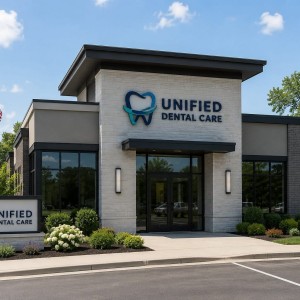
CrownPoint Partners announced the successful closing of a $9.2 million, five-property dental sale-leaseback portfolio located throughout Michigan.
News 23 October 2026
Dentsply Sirona, Midwest Dental Expand Technology Relationship

Beginning November 1, Dentsply Sirona will expand its long-standing relationship with Midwest Dental Equipment & Supply beyond consumables to include its complete technology portfo



Copyright © 2026 - All Rights Reserved
ISSN 2767-1178