


Effectiveness of motivational interviewing on the prevention of early childhood caries
Lara Figini
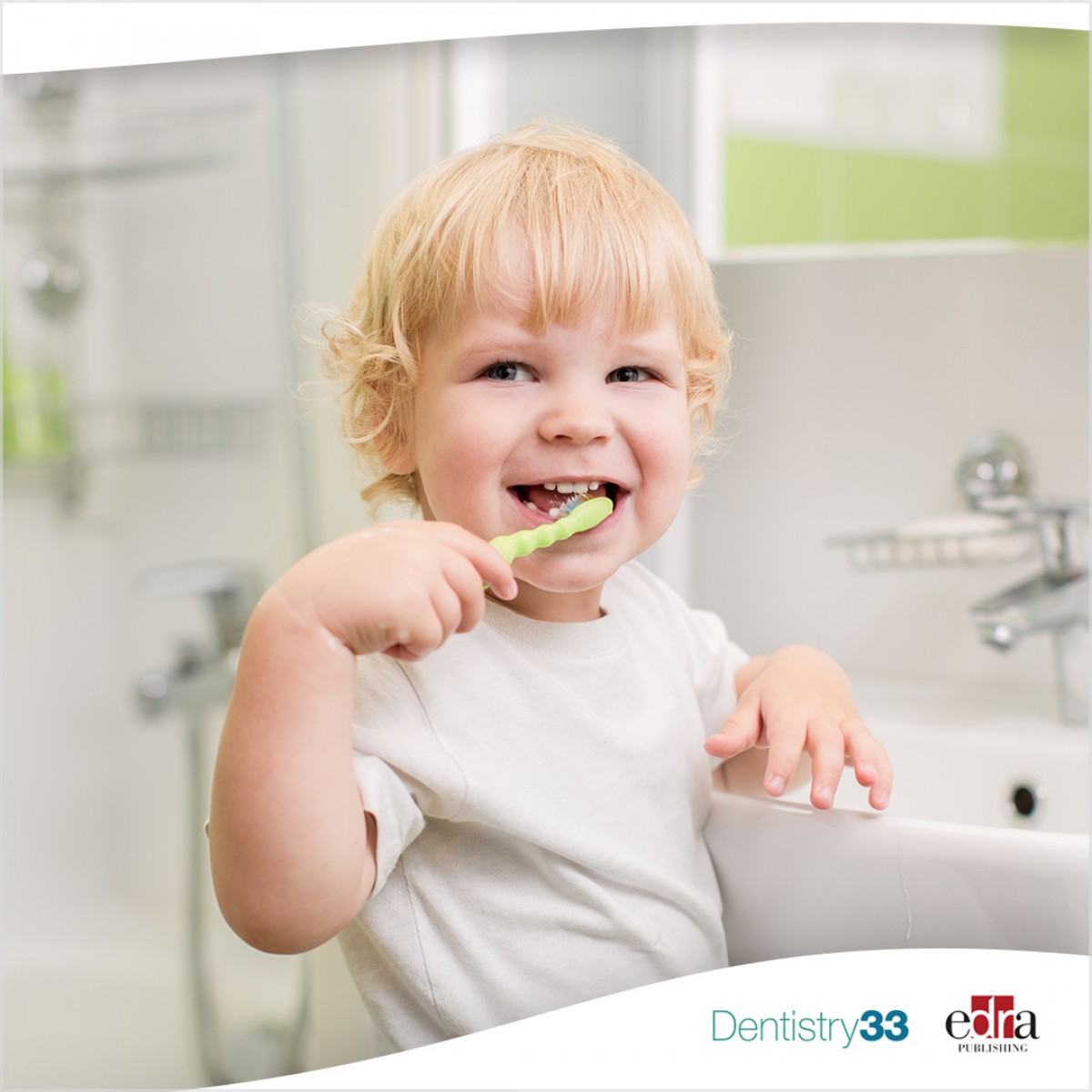
Prevention of childhood caries has always been a tough challenge for the dentist and consists mainly in educating parents to maintain the oral health of their children, but in many cases the primary problem is to really convince patients and their parents to do it with constancy. Indeed, research does not support the effectiveness of providing only education or information to parents to reduce the onset of early caries in children (ECC). Education alone appears to be ineffective or at least not enough to change their habits. A patient-oriented counseling strategy with the aim of persuading him to change their habits, which helps people explore and resolve their ambivalence towards change, can be the interview or motivational questionnaire (MI).
This approach has been successfully applied to a variety of fields including drug use, smoking and eating disorders and drug addiction, but is it just as effective in dentistry for preventing tooth decay?
Materials and methods
In a review, published in JADA in September 2020, the authors evaluated the scientific evidence of the efficacy of questionnaires / motivational interviews for the clinical reduction of early childhood caries compared to traditional dental health education. The authors performed a bibliographic search through the major databases (Scopus, Cochrane, PubMed and Embase) of relevant articles in English according to a pre-established search strategy. Potentially eligible studies involved clinical assessment of the caries rate in children whose parents or guardians received motivational questionnaires as an intervention. The authors have assessed the risk of bias using the Cochrane risk-of-bias tool.
Results
Of the 329 articles initially retrieved, 14 were eligible for inclusion in the systematic review and 3 articles contributed to the meta-analysis. For statistical analysis, the mean difference of continuous data was analyzed with a 95% confidence interval using the random effects model.
Conclusions
From the data emerging from this meta-analysis, which must be confirmed in other similar reviews, it can be concluded that motivational questionnaires are as effective as traditional dental health education in controlling early childhood caries.
Clinical implications
It should be emphasized that the studies included in this meta-analysis are limited and that there is a need for more interventions that are better designed to accurately assess the impact of motivational questionnaires on the prevention of early childhood caries.
For additional information: Impact of motivational interviewing on early childhood caries: A systematic review and meta-analysis.
 Related articles
Pediatric dentistry 09 October 2026
This peer-reviewed pediatric dentistry article summarizes clinical evidence from BMC oral health (2026). It focuses on findings that may help dental professionals evaluate treatment decisions,...
Pediatric dentistry 29 April 2026
Exploration and innovative application of digital technology in pediatric dentistry
Pediatric dentistry treats patients aged 0-18 years, encompassing the characteristics of general dentistry.
Pediatric dentistry 14 April 2026
Comparison between dexmedetomidine and esketamine in pediatric dentistry surgery
Dexmedetomidine (D) and esketamine (K) are used for the sedation of pediatric dental surgery. This study was designed to compare the effect of intranasal D and K in producing moderate sedation for...
Existing studies on adverse events (AEs) in pediatric dentistry have been limited in scope.
Read more

Jen Kim Field, chief sustainability officer at Henry Schein and president of the Henry Schein Cares Foundation, answers questions for Dentistry Today about the group’s achievements
News 12 October 2026
The education-first program offered learning for the entire dental practice, with practical insights spanning the full patient journey and focused on improving workflows, collabora
News 12 October 2026
AAO and Stand for the Silent Unite Communities This Month to Shine a Light on Bullying Prevention
Editorials 12 October 2026
Expanded coverage: Texas A&M’s Plemons named 2026 Texas Dentist of the Year

Sometimes a small act of generosity can make a tremendous impression, especially on a 7-year-old.
Endodontics 12 October 2026
This peer-reviewed endodontics article summarizes clinical evidence from Journal of dentistry (2026). It focuses on findings that may help dental professionals evaluate treatment decisions, patient...



Copyright © 2026 - All Rights Reserved
ISSN 2767-1178