


Effect of orthodontic treatment on periodontal health of periodontally compromised patients
Davide Elsido

An increasing number of adult patients are now seeking orthodontic treatment due to an increased focus of society on esthetics and health consciousness. With the incidence of periodontal problems shown to increase with age, ortho-perio interactions play an important role in management of these patients.
Orthodontic problems in the majority of these adult patients are a consequence of their underlying periodontal issues leading to reduced periodontal support and resulting in pathological migration, proclination of maxillary anterior teeth, interdental spacing, rotation and overeruption, resulting in compromised function and esthetics.
As orthodontic tooth movement is basically a bone remodeling phenomenon, the effect of orthodontic treatment on osseous topography in patients whose bone levels are already compromised is crucial.
Therefore, in this study published in the November issue of The Angle Orthodontist, cone beam computed tomography (CBCT) was used to assess bony changes.
Thirty-six periodontally compromised adult patients (mean age: 29.67 +- 4.8 years) were randomly allocated to either test (perio-ortho) or control group (perio). After periodontal stabilization in both groups, orthodontic treatment was started in the test group, whereas the control group remained on periodontal maintenance only. Evaluation and comparison of clinical parameters (plaque index [PI]; gingival index [GI]; bleeding on probing [BOP]; probing depth [PD]; clinical attachment level [CAL]) of both groups was assessed.
The results of the study showed favorable results of a combined periodontic-orthodontic treatment in periodontally compromised patients. There was a statistically significant improvement in all the periodontal parameters in the control and test groups with a highly significant CAL gain.
The present trial provided an evidence-based conclusive answer that orthodontic treatment had no detrimental effect on the periodontal health in periodontally compromised patients if proper periodontal health was maintained throughout orthodontic treatment.
Further studies with larger power, greater sample sizes, long-term follow-up, and exploring other aspects involved in routine treatment of adult orthodontic patients, are recommended to verify these results.
 Related articles
The International Academy of Oral Medicine and Toxicology recently launched an eLearning course to provide accreditation in biological dental hygiene.
Oral Hygiene & Prevention 17 June 2022
Effect of lingual piercing on periodontal and peri-implant health

The exact global prevalence of oral piercings is still not clear; however, according to Hennequin-Hoenderdos et al. 2012 the prevalence of peri and intraoral piercings is 5.2% in the general...
Orthodontics 20 May 2022
Orthodontic treatment and periodontally compromised patients: effects of the treatment
.jpg)
An increasing number of adult patients are now seeking orthodontic treatment due to an increased focus of society on esthetics and health consciousness. With the incidence of periodontal problems...

As life expectancy continues, an increase in periodontal disease is also expected. In old patients, the concept of shortened or reduced dental arch (SDA) could offer options for solving these...
Periodontology 29 September 2020

Today, it is widely accepted that the most common and important diseases of the oral cavity (gingivitis and periodontitis, dental caries and oral cancer) are...
Read more
Products 14 October 2026
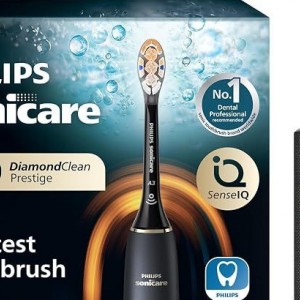
Royal Philips (NYSE: PHG, AEX: PHIA) announced that the Philips Sonicare Next-Generation DiamondClean 9900 Prestige, its most advanced and intelligent toothbrush to date, is now av

Key transaction by Heartland Dental and its supported practices expands opportunities for supported doctors, teams, and practices while strengthening Heartland Dental’s supported f
News 14 October 2026
Henry Schein Cares Celebrates 25 Years of Corporate Citizenship

Henry Schein Cares, Henry Schein, Inc.’s global corporate citizenship program, is celebrating a quarter century of bringing together Team Schein Members, customers, supplier partne
Editorials 14 October 2026
Scholarship at the CU Anschutz School of Dental Medicine reflects the collective contributions of our faculty, staff, residents and students.
Oral Hygiene & Prevention 14 October 2026
Propolis-containing formulations in caries prevention - a systematic review and meta-analysis.
This peer-reviewed oral hygiene & prevention article summarizes clinical evidence from Clinical oral investigations (2026). It focuses on findings that may help dental professionals evaluate...


Copyright © 2026 - All Rights Reserved
ISSN 2767-1178