


Five years of experience teaching pathology to dental students using the WebMicroscope
Background
We describe development and evaluation of the user-friendly web based virtual microscopy - WebMicroscope for teaching and learning dental students basic and oral pathology. Traditional students microscopes were replaced by computer workstations.
Methods
The transition of the basic and oral pathology courses from light to virtual microscopy has been completed gradually over a five-year period. A pilot study was conducted in academic year 2005/2006 to estimate the feasibility of integrating virtual microscopy into a traditional light microscopy-based pathology course. The entire training set of glass slides was subsequently converted to virtual slides and placed on the WebMicroscope server. Giving access to fully digitized slides on the web with a browser and a viewer plug-in, the computer has become a perfect companion of the student.
Results
The study material consists now of over 400 fully digitized slides which covering 15 entities in basic and systemic pathology and 15 entities in oral pathology. Digitized slides are linked with still macro- and microscopic images, organized with clinical information into virtual cases and supplemented with text files, syllabus, PowerPoint presentations and animations on the web, serving additionally as material for individual studies. After their examinations, the students rated the use of the software, quality of the images, the ease of handling the images, and the effective use of virtual slides during the laboratory practicals. Responses were evaluated on a standardized scale. Because of the positive opinions and support from the students, the satisfaction surveys had shown a progressive improvement over the past 5 years. The WebMicroscope as a didactic tool for laboratory practicals was rated over 8 on a 1-10 scale for basic and systemic pathology and 9/10 for oral pathology especially as various students’ suggestions were implemented. Overall, the quality of the images was rated as very good.
Conclusions
An overwhelming majority of our students regarded a possibility of using virtual slides at their convenience as highly desirable. Our students and faculty consider the use of the virtual microscope for the study of basic as well as oral pathology as a significant improvement over the light microscope.
Authors; Janusz Szymas, Mikael Lundin
Source: https://link.springer.com/
 Tag
Tag
Related articles
Edra Professional Books 26 September 2026
Manual of oral surgery: A Practical Reference for Dental Professionals
Manual of oral surgery is an Edra professional dentistry reference focused on clinical practice, education and treatment planning.
Edra Professional Books 19 September 2026
Piezoelectric surgery of impacted teeth: A Practical Reference for Dental Professionals
Piezoelectric surgery of impacted teeth is an Edra professional dentistry reference focused on clinical practice, education and treatment planning.
Edra Professional Books 12 September 2026
Adhesive cementation on natural teeth: A Practical Reference for Dental Professionals

Adhesive cementation on natural teeth is an Edra professional dentistry reference focused on clinical practice, education and treatment planning.
Edra Professional Books 05 September 2026
Pediatric dentistry: A Clinical Reference for Contemporary Endodontic Practice
Pediatric dentistry is an Edra professional dentistry reference focused on clinical practice, education and treatment planning.
Edra Professional Books 29 August 2026
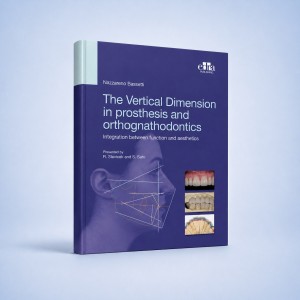
The Vertical Dimension in Prosthetis and Orthognathodontics is an Edra professional dentistry reference focused on clinical practice, education and treatment planning.
Read more
Europe 27 September 2026 - 30 November -0001
Digital Dentistry Society Global Congress 2026: Event Preview and Professional Highlights

The Digital Dentistry Society Global Congress 2026 will take place from October 22, 2026 to October 24, 2026 in TBD, Rotating Europe, offering dental professionals a focused environment for...
Editorials 27 September 2026
Dentistry33 survey highlights replacement care, deep caries and evolving restorative workflows
Reader survey finds direct composites remain dominant, secondary caries is the leading reason for restoration replacement, and clinicians want more training in pulp preservation
Reader survey finds direct composites remain dominant, secondary caries is the leading reason for restoration replacement, and clinicians want more training in pulp preservation
Edra Professional Books 26 September 2026
Manual of oral surgery: A Practical Reference for Dental Professionals
Manual of oral surgery is an Edra professional dentistry reference focused on clinical practice, education and treatment planning.
Products 25 September 2026
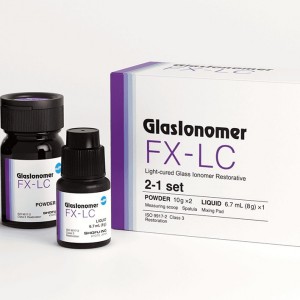
Shofu Dental’s line of dental restorative materials now includes FX-LC, a next-generation, light-cure, resin-reinforced glass ionomer formulated to deliver high strength, efficient 4
News 25 September 2026

The scholarships are part of an ongoing workforce solutions strategy to help address the need for skilled dental hygienists



Copyright © 2026 - All Rights Reserved
ISSN 2767-1178