


Maintenance of oral health in Alzheimer's patients and frail patients
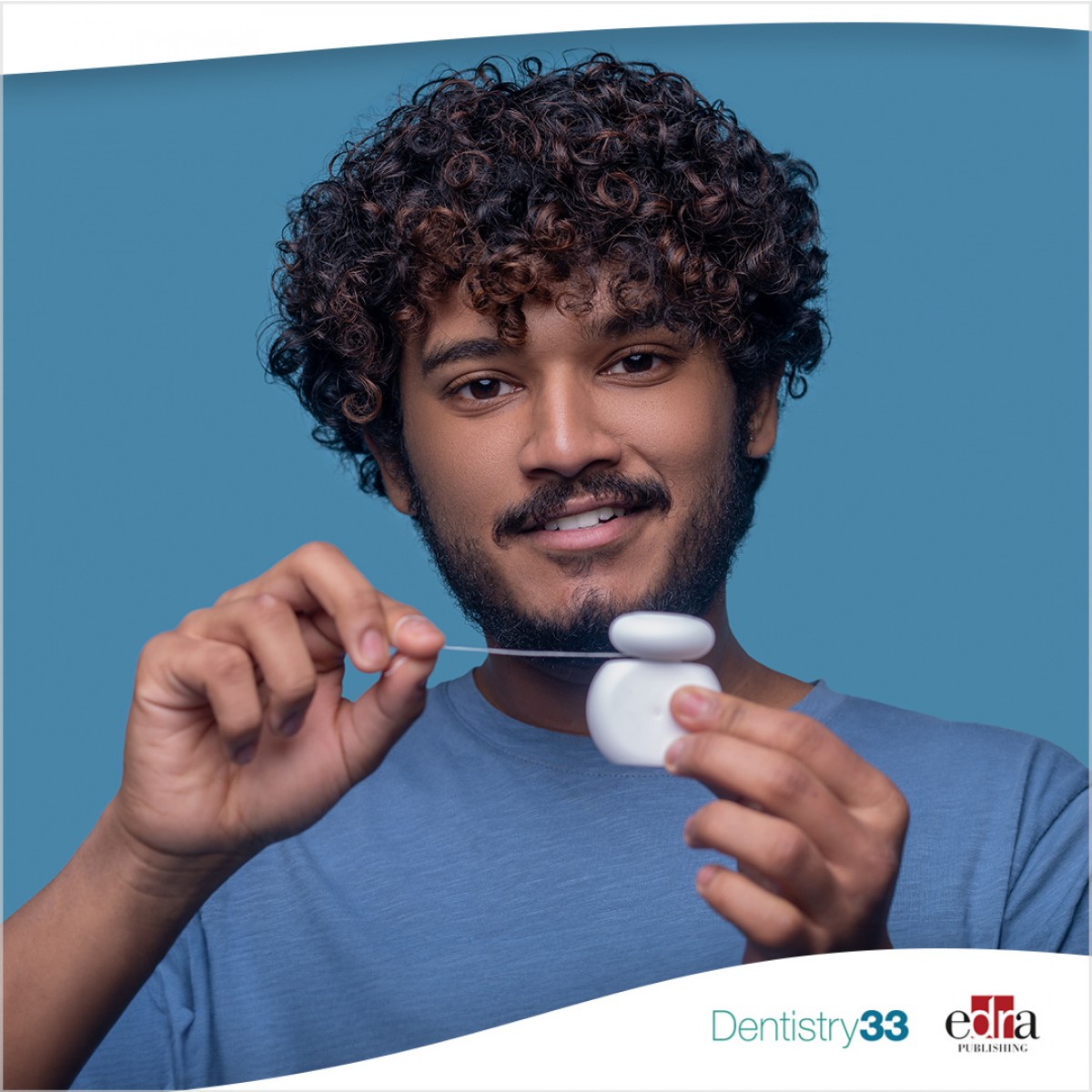
Studying the biological bases of aging and the appropriate therapeutic prevention paths that counteract the chronic inflammation of all age-related pathologies such as diabetes, cardiovascular pathologies, tumor forms and dementia, is an obligatory path for healthcare professionals, as today the population is increasingly older. On the occasion of World Alzheimer's Day, September 21st, attention must be paid to this pathology as some studies have highlighted a link between inflammation of the oral cavity and some bacterial specificities typical of periodontal disease, the spirochetes, intercepted in the brain of patients suffering from this brain pathology.
The presence of periodontal disease often causes invisible lesions under the gum and the bacteria pass into circulation through the blood, affecting systemic health. Researchers have hypothesized that periodontal disease may be a probable contributor to degenerative brain diseases. Studies on the brain functioning of men and women are still controversial, which is why the focus must be on the person assisted, considering him or her as a bio-psycho-social individual, awaiting further scientific evidence. The environment, culture, social interaction, personality are elements that shape our neurostructures and guide our behaviors. The updating of clinical protocols based on the evolution of scientific evidence, guidelines and technologies must allow an objective self-evaluation of the limits of one's competence and knowledge.
Disease is a dynamic concept with multidimensional effects of an acute or chronic condition. Chronicity unfortunately has a constant presence of the symptom with stabilized effects which, although they may have improvements, do not resolve the pathology. Alzheimer's is a difficult disease to manage as it is characterized by symptoms such as loss of memory and other intellectual abilities such that the patient requires continuous assistance for the simplest daily activities.
Effective protocols to safeguard the health of the oral cavity must include the support of caregivers, both at a family and professional level. The dental hygienist will have to choose those home operating protocols and technologies that may be appropriate for the management of these special needs patients and/or to facilitate caregiver assistance.
In addition to memory loss, which creates difficulties in daily functioning, these patients sometimes experience increased difficulty in coordinating the simplest movements, making the simplest home oral hygiene maneuvers difficult.
Management technology can help us with this with reminders and/or personalized messages. Due to the objective difficulties in obtaining effective plaque control, it will be advisable to supplement the use of the electric, sonic or hydrosonic toothbrush with the use of a super-hydrating and delicate mouthwash to allow daily use and alleviate the perception of pain.
In case of difficulty expectorating, the caregiver may pass a gauze soaked in mouthwash over the surfaces. In the presence of removable prostheses, for caregivers the use of spray solutions containing ozonated olive oil, cetylpyridinium chloride, sodium bicarbonate, sprayed easily at a distance of 5 cm from the prosthesis, allow any bad breath to be kept under control .
The motivational approach is difficult, so it will be appropriate to instruct caregivers to share the brushing moment so that the patient can repeat the procedure. Interesting is what research on new technologies has made available in terms of toothbrushes, for example the hydrosonic one from a well-known brand, with 7 brushing levels, ergonomically curved heads to make it easier for the caregiver to reach the areas of the back molars and , the LED display with the 2 minute timer.
Among the appropriate technologies, the use of home photodynamic therapy through new devices could be useful for caregivers in cases of complex periodontal situations. And still on the subject of technologies, remote oral hygiene consultation is a great resource.
Patients affected by Alzheimer's disease must rely on professionals capable of managing clinical frailties and extra-clinical difficulties and facilitating home management entrusted to caregivers.
 Related articles

Periodontitis not only increases the risk of ischemic stroke and Alzheimer's dementia, but it is also considered that different oral health interventions can reduce the risk of these neurological...
Oral Hygiene & Prevention 14 October 2026
Propolis-containing formulations in caries prevention - a systematic review and meta-analysis.
This peer-reviewed oral hygiene & prevention article summarizes clinical evidence from Clinical oral investigations (2026). It focuses on findings that may help dental professionals evaluate...
Oral Hygiene & Prevention 30 September 2026
Propolis-containing formulations in caries prevention - a systematic review and meta-analysis.
This peer-reviewed oral hygiene & prevention article summarizes clinical evidence from Clinical oral investigations (2026). It focuses on findings that may help dental professionals evaluate...
Oral Hygiene & Prevention 23 September 2026
Propolis-containing formulations in caries prevention - a systematic review and meta-analysis.
This peer-reviewed oral hygiene & prevention article summarizes clinical evidence from Clinical oral investigations (2026). It focuses on findings that may help dental professionals evaluate...
Oral Hygiene & Prevention 09 September 2026
Propolis-containing formulations in caries prevention - a systematic review and meta-analysis.
This peer-reviewed oral hygiene & prevention article summarizes clinical evidence from Clinical oral investigations (2026). It focuses on findings that may help dental professionals evaluate...
Read more
Products 15 October 2026
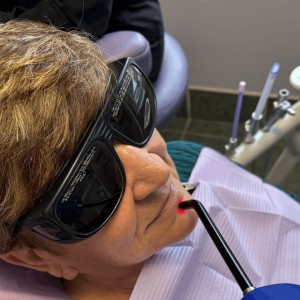
The belief in the healing power of light goes all the way back to ancient Egypt and the worship of Rah, the sun god.
Nearly half the world’s population is affected by oral disease—and the number of cases is rising.
News 15 October 2026

New office at 3170 R Street adds walk-in availability and same-day care options in a region where dental providers are in short supply
Each year, the University of Colorado Anschutz School of Dental Medicine (SDM) Excellence Awards recognize individuals whose dedication, leadership and innovation strengthen our mi
Oral surgery 15 October 2026
This peer-reviewed oral surgery article summarizes clinical evidence from International journal of oral and maxillofacial surgery (2026). It focuses on findings that may help dental professionals...



Copyright © 2026 - All Rights Reserved
ISSN 2767-1178