


NYSDA Opposes Proposed PTET Credit Reductions
The New York State Dental Association (NYSDA) today called on state lawmakers to reject proposed reductions to the pass-through entity tax (PTET) credit included in the New York State Legislature’s one-house budget bills, warning that the changes would amount to a significant tax increase on dental practices and other licensed professionals across New York.
Key details
NYSDA is joined in its opposition by the Medical Society of the State of New York, the New York State Podiatric Medical Association, the New York State Association of Ambulatory Surgery Centers, the New York State Academy of Nutrition and Dietetics, and a broad coalition of other medical specialty associations, all of which rely on the PTET framework to maintain fair and predictable taxation.
“Reducing the PTET credit undermines the very purpose of the tax policy and places an unnecessary burden on New York’s licensed professionals,” said Michael Herrmann, Executive Director of NYSDA. “Dentists, like many small business owners, depend on stable tax policy to manage rising costs, invest in modern equipment, and provide high-quality care to their patients. This proposal would take us in the wrong direction.”
The PTET system, adopted in 2021 following federal limits on state and local tax (SALT) deductions, was designed to ensure parity between pass-through entities and C corporations by allowing a full, dollar-for-dollar credit for taxes paid at the entity level. The Legislature’s proposal to reduce that credit would effectively reintroduce double taxation on professional income.
For dental practices, many of which are small or mid-sized businesses, the impact would be immediate. Increased tax liability would reduce resources available for hiring staff, upgrading technology, and expanding patient services. At a time when practices are already facing workforce shortages, inflationary pressures, and rising compliance costs, NYSDA warns that additional financial strain could limit access to care in New York, particularly in rural and underserved communities.
What this means for the market
“Dental practices are not large corporations with flexible capital structures,” Herrmann added. “They are community-based providers delivering essential healthcare. Policies that weaken their financial stability ultimately negatively affect patients and local economies.”
The coalition also emphasized the broader economic implications of the proposal. Licensed professionals are increasingly mobile, and higher effective tax rates could accelerate relocation from New York, further straining the state’s healthcare system and professional workforce.
NYSDA and its partners argue that the proposed PTET changes are inconsistent with the state’s commitment to avoid raising income taxes. While framed as technical adjustments, they contend the reductions would function as a substantive tax increase on income that has already been taxed at the entity level.
Since its enactment, the PTET has provided critical stability and predictability, enabling professional practices to plan long-term investments and sustain operations. Altering the policy now, the group warns, would send a troubling signal about New York’s economic competitiveness and commitment to its professional workforce.
The New York State Dental Association urges lawmakers to preserve the PTET structure in its current form, maintaining full, dollar-for-dollar credits at both the state and city levels.
For more information on NYSDA, please visit nysdental.org .
About the New York State Dental Association:
The New York State Dental Association, founded in 1868, is one of the largest state constituents of the American Dental Association and represents more than 60 percent of dentists practicing in New York State. Founded in 1859, the American Dental Association is the oldest and largest national dental society in the world and serves as the leading source of oral health-related information for dentists and their patients.
 Related articles
News 06 May 2026
The New York State Dental Association (NYSDA) today called on state lawmakers to reject proposed reductions to the pass-through entity tax (PTET) credit included in the New York St
Products 26 February 2026

Give Kids A Smile events led to thousands of children in underserved communities receiving access to oral healthcare across New York this February during Children’s Dental Health Month.
News 28 May 2025

The New York State Dental Association (NYSDA) today hailed the inclusion of dental hygiene programs in the new SUNY Reconnect program, saying it will help address a severe dental hygienist shortage...
Restorative dentistry 12 September 2025
Traumatic tooth injuries involve function and aesthetics and cause damage that range from minimal enamel loss to complex fractures involving the pulp tissue and even loss of the tooth crown.
Market 16 September 2022

CDA supports changes, while the AGD says 'no'
In June 2022, more than 100 members of the U.S. House Representatives sent a letter to the Centers for Medicare & Medicaid Services urging the use of the agency’s regulatory authority to increase...
Read more
Europe 27 September 2026 - 30 November -0001
Digital Dentistry Society Global Congress 2026: Event Preview and Professional Highlights

The Digital Dentistry Society Global Congress 2026 will take place from October 22, 2026 to October 24, 2026 in TBD, Rotating Europe, offering dental professionals a focused environment for...
Editorials 27 September 2026
Dentistry33 survey highlights replacement care, deep caries and evolving restorative workflows
Reader survey finds direct composites remain dominant, secondary caries is the leading reason for restoration replacement, and clinicians want more training in pulp preservation
Reader survey finds direct composites remain dominant, secondary caries is the leading reason for restoration replacement, and clinicians want more training in pulp preservation
Edra Professional Books 26 September 2026
Manual of oral surgery: A Practical Reference for Dental Professionals
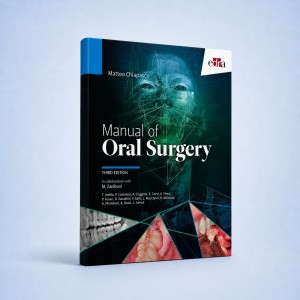
Manual of oral surgery is an Edra professional dentistry reference focused on clinical practice, education and treatment planning.
Products 25 September 2026
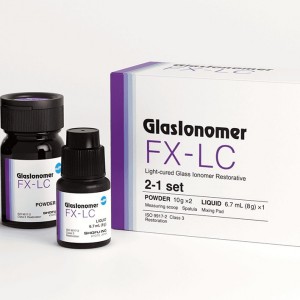
Shofu Dental’s line of dental restorative materials now includes FX-LC, a next-generation, light-cure, resin-reinforced glass ionomer formulated to deliver high strength, efficient 4
News 25 September 2026
The scholarships are part of an ongoing workforce solutions strategy to help address the need for skilled dental hygienists


Copyright © 2026 - All Rights Reserved
ISSN 2767-1178