


Rehabilitation of partial edentulism with 3 missing elements. What is the best solution on installations?
Lara Figini
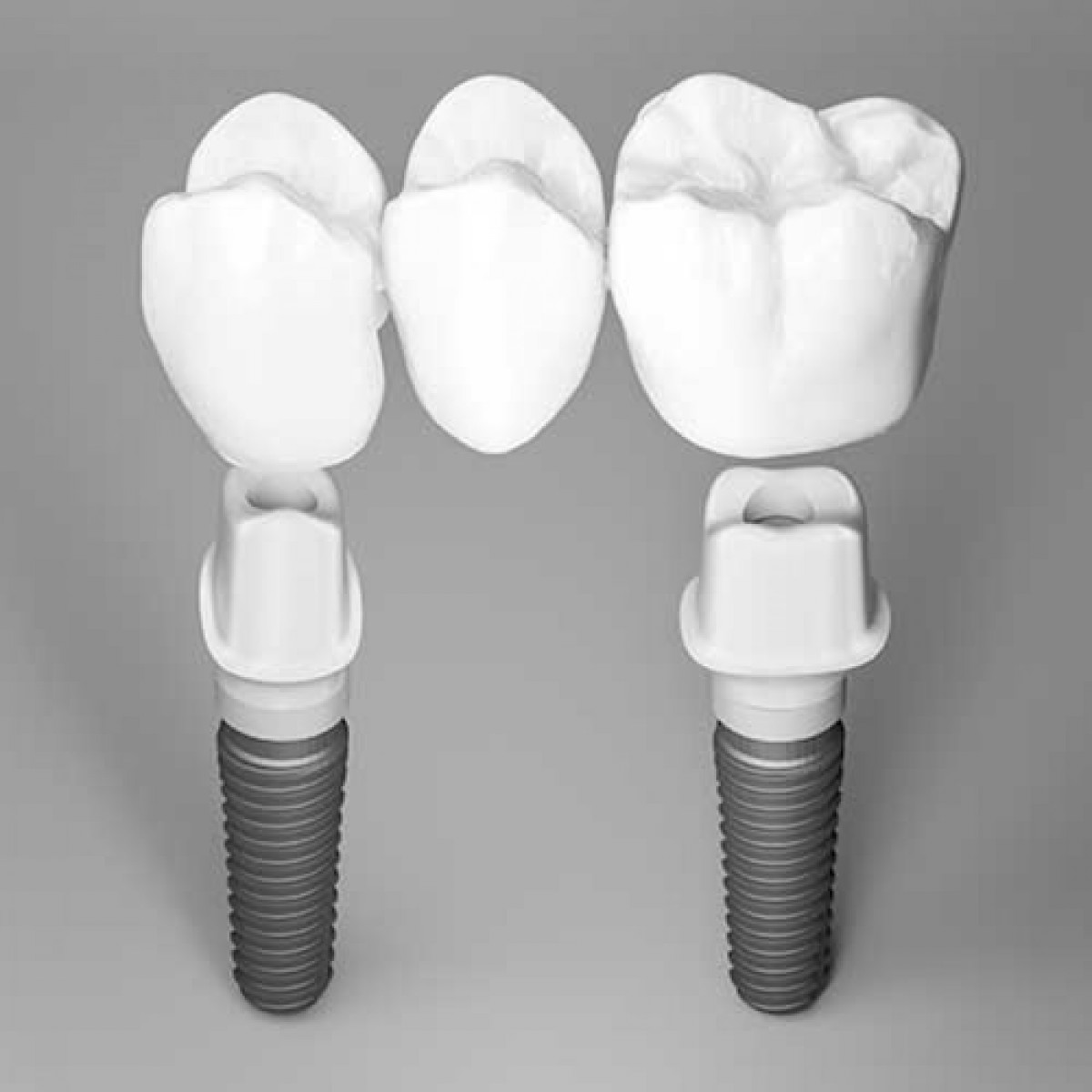
In partially edentulous areas, implantology now has a widely established success even in the long term, but the result is influenced by operator-dependent factors that mainly concern the surgical therapeutic choice and the most appropriate prosthetic approach. Among these factors that affect the prosthetic choice there is the operator's decision whether to use a prosthetic framework composed of splinted crowns or non-splinted crowns (separated from each other). Splinted crowns tend to distribute the occlusal forces more evenly on the implants, leading less frequently to the onset of prosthetic complications and reduced deformation of the peri-implant bone.
Another determining factor is the number of implants required to rehabilitate a partially edentulous area, ie if it is better to restore each single tooth lost with a respective implant or to use a prosthetic bridge on implants. Also the cost factor for the patient should not be overlooked.
MATERIALS AND METHODS
In a study published in Clinical Oral Implantology Research in April 2019, the authors compared survival rates, success, prosthetic complication rates, the incidence of peri-implantitis and the costs of three different clinical options considered in the rehabilitation of an area edentula with 3 units in the posterior maxillary or mandibular sectors.
In the present retrospective study, patients rehabilitated according to one of the three methods were included:
- rehabilitation of posterior areas with three missing elements with three non-splinted metal-ceramic crowns on three implants (NSC);
- rehabilitation of posterior areas with three missing elements with three splinted metal-ceramic crowns between them (SC);
- rehabilitation of three-element missing posterior sectors with three metal-ceramic bridge crowns supported by two implants (ISB). Implant survival, success rate and all biological and prosthetic complications were analyzed and recorded.
The cost associated with each of the treatment options was also assessed in the comparative analysis.
RESULTS
One hundred and forty-five patients (40 NSC, 52 SC and 53 in the ISB) and 382 bone-level implants (120 NSC, 156 SC and 106 ISB) were included in the study with a follow-up of 76.2 months on average. The overall success rate was higher in the ISB group. The survival rates of the implants were 92.5% in the NSC, 100% in the ISB and 88.5% in the SC, with a significant difference detected between the ISB group and the SC group (p = 0, 01). 9.9% of the implants underwent peri-implantitis (PI) (16.7% in the SC group, 7.5% in the NSC group, 2.8% in the ISB group). Patients who presented prosthetic complications were significantly greater in the NSC group (32.5%) than in the ISB group (13.2%) and the SC group (15.4%). The total cost for the patient in the ISB group was significantly lower than in the two other NSC and SC groups (p <0.001).
CONCLUSIONS
From the data emerged from this study, which must be confirmed with other similar works, it can be concluded that the therapeutic choice based on a three-crown bridge supported by 2 implants appears to be the most ideal long-term therapeutic solution, among the approaches investigated in this work, in the rehabilitation of an edentulous area with 3 missing elements.
Clinical implications
In the field of implantology, especially in cases of partial multi-element edentulism, the therapeutic choice is often dependent on the total cost of the type of rehabilitation proposed by the dentist, an element that cannot be neglected. At a lower cost, the therapeutic solution based on a three-crown bridge supported by 2 implants offers the same success as the one with the insertion of 3 implants.
For additional informations:
Comparison of three different types of implant-supported fixed dental prostheses: a long-term retrospective study of clinical outcomes and cost-effectiveness.
Italian version: http://www.odontoiatria33.it/implantologia/17814/riabilitazione-di-edentulie-parziali-a-3-elementi-mancanti-quale-la-migliore-soluzione-su-impianti.html
 Related articles
Implantology 04 September 2026
This peer-reviewed implantology article summarizes clinical evidence from Clinical oral implants research (2026). It focuses on findings that may help dental professionals evaluate treatment...
Implantology 20 August 2026
This peer-reviewed implantology article summarizes clinical evidence from Clinical oral implants research (2026). It focuses on findings that may help dental professionals evaluate treatment...
Implantology 06 August 2026
This peer-reviewed implantology article summarizes clinical evidence from Clinical oral implants research (2026). It focuses on findings that may help dental professionals evaluate treatment...
Implantology 24 July 2026
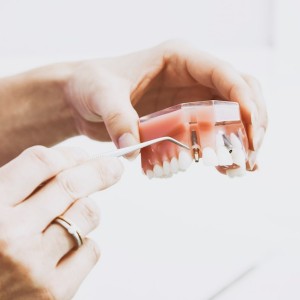
This peer-reviewed implantology article summarizes clinical evidence from Clinical oral implants research (2026). It focuses on findings that may help dental professionals evaluate treatment...
Implantology 10 July 2026
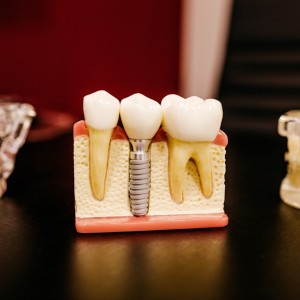
This peer-reviewed implantology article summarizes clinical evidence from Clinical oral implants research (2026). It focuses on findings that may help dental professionals evaluate treatment...
Read more

Jen Kim Field, chief sustainability officer at Henry Schein and president of the Henry Schein Cares Foundation, answers questions for Dentistry Today about the group’s achievements
News 12 October 2026
The education-first program offered learning for the entire dental practice, with practical insights spanning the full patient journey and focused on improving workflows, collabora
News 12 October 2026
AAO and Stand for the Silent Unite Communities This Month to Shine a Light on Bullying Prevention
Editorials 12 October 2026
Expanded coverage: Texas A&M’s Plemons named 2026 Texas Dentist of the Year

Sometimes a small act of generosity can make a tremendous impression, especially on a 7-year-old.
Endodontics 12 October 2026
This peer-reviewed endodontics article summarizes clinical evidence from Journal of dentistry (2026). It focuses on findings that may help dental professionals evaluate treatment decisions, patient...



Copyright © 2026 - All Rights Reserved
ISSN 2767-1178