


Soft tissue management in aesthetic implantology: clinical case with 15-year follow-up

OBJECTIVES
Implant therapy is widely recognized as an effective and predictable solution for replacing missing teeth, supported by extensive scientific evidence. From the patient’s perspective, the success of implant therapy is assessed not only based on the long-term functionality of the implant but also on the immediate aesthetic result and its stability over time. The objective of this article is to describe the key steps for proper implant placement, bone reconstruction, and the correct management of soft tissues to ensure an aesthetically functional outcome with long-term follow-up.
MATERIALS AND METHODS
A 57-year-old female patient presented with persistent pain in tooth 1.3 and significant gingival recession, leading to the extraction of the tooth. A Free Gingival Graft (FGG) was performed to stabilize the site and promote healing, using a minimally invasive technique to preserve
the alveolar wall. After four months, a 3.5 mm implant was placed with Guided Bone Regeneration (GBR) using a combination of deproteinized bovine bone and autologous bone. Eight months post-surgery, a Connective Tissue Graft (CTG) was applied to enhance gingival contour. The final prosthetic rehabilitation included a screw-retained zirconia crown, with successful follow- up showing healthy peri-implant tissues and minimal bone loss.
CONCLUSIONS
The results of the study demonstrate the long-term success of the combined surgical and prosthetic techniques used in the case. One year after the final rehabilitation, the peri-implant tissues remained healthy, with a stable gingival profile, without signs of inflammation or significant bone loss. At 5-, 10- and 15-year follow-up, the soft tissues showed morphological and dimensional stability, with minimal marginal bone resorption. These results highlight the effectiveness of integrating mucogingival, regenerative and prosthetic techniques in ensuring lasting functional and aesthetic results.
The multidisciplinary approach adopted ensured long-term stability in hard and soft tissue, highlighting patient satisfaction with the aesthetic and functional results. This demonstrates the effectiveness of combined mucogingival, regenerative and prosthetic techniques. The results emphasize the importance
of integrated planning and treatment to address similar clinical complexities, ensuring optimal patient outcomes.
CLINICAL SIGNIFICANCE
The article highlights how hard and soft tissue management is crucial for aesthetic and functional stability in implant therapies, particularly in visible areas. By using soft tissue grafts and biomaterials, bone volume and structure can be maintained after extraction, reducing the risk of bone resorption. This technique improves peri-implant tissue stability, preventing complications and optimizing implant health and the final aesthetic result.
Authors: Stefano Speroni, Marco Giuffrè, Tommaso Tura, Giulia Bortune, Luca Coccoluto, Luca Antonelli, Francesco Sarnelli, Elisabetta Polizzi, Enrico Felice Gherlone
Source: https://www.dentalcadmos.com/
 Related articles
News 23 March 2026
New Gingividual® Concept Basic supports standardised digital workflows for soft tissue management

Camlog announces the international launch of Gingividual® Concept Basic, a standardised, digital-first solution designed to streamline implant prosthetic workflows and support predictable soft...
News 02 September 2025
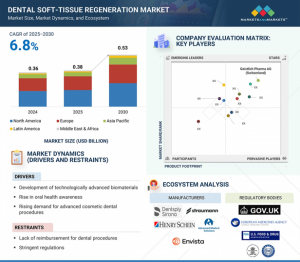
The “Dental Soft Tissue Regeneration Market (2025 Edition): Analysis By Product Type, By Application, By End-User: Market Insights and Forecast (2021-2031)” report has been added to...

Proper use of oral electrosurgery permits rapid, full management of soft-tissue problems related to mouth preparation for fixed and removable prosthodontics.

Orthodontists have traditionally viewed structural discrepancies as the major limitation of treatment. In reality, it is the soft tissues that more closely determine therapeutic modifiability.

The stability of the marginal bone and soft tissue around dental implants has been established as the main feature to ensure the health of the implant.
Read more
Products 13 October 2026
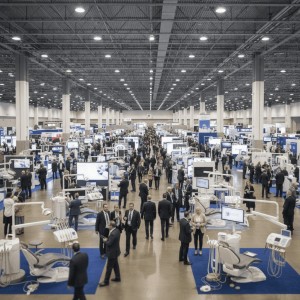

New Resources Help Dental Exhibitors Evaluate Their Investment and Explore the Personify ShowFlow™ Trade Show Success System
News 13 October 2026
New patient apps extend The Aspen Group’s mission to remove barriers to care, giving patients greater visibility, convenience, and control from booking through treatment
Editorials 13 October 2026

The forerunner of what’s now Texas A&M College of Dentistry opened 120 years ago in Dallas with the mission of educating dentists to provide quality care to patients in North Texas
Oral pathology 13 October 2026
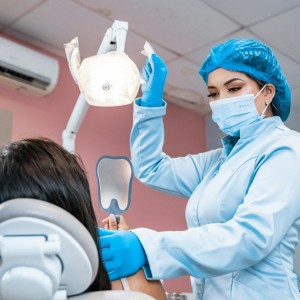
This peer-reviewed oral pathology article summarizes clinical evidence from Oral oncology (2026). It focuses on findings that may help dental professionals evaluate treatment decisions, patient...



Copyright © 2026 - All Rights Reserved
ISSN 2767-1178