


Randomized Controlled Clinical Trial Comparing Screw-Retained Monolithic Zirconia Implant Crowns on Standardized Titanium Base Versus Customized Titanium Abutments- 3-Years Data.
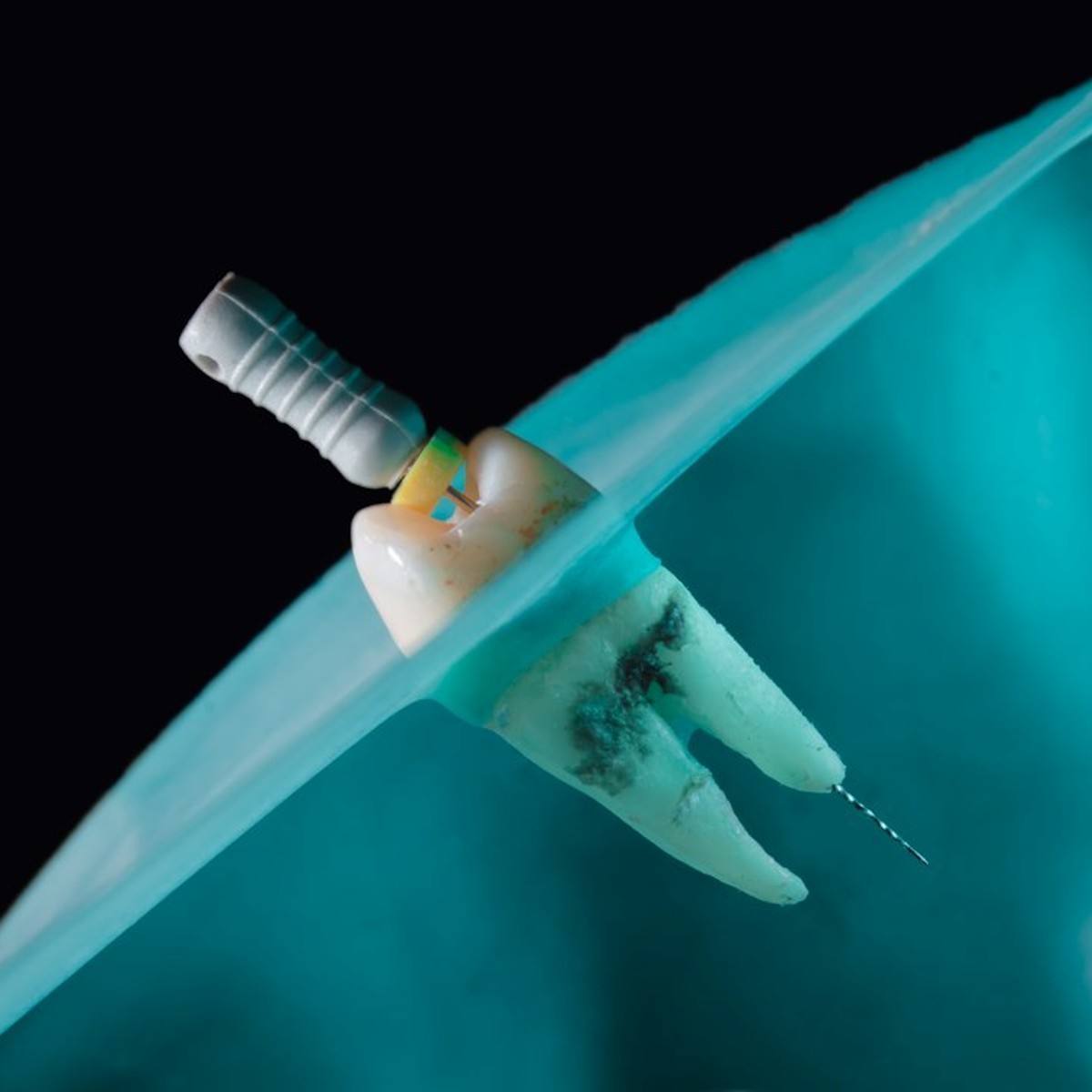
This peer-reviewed implantology article summarizes clinical evidence from Clinical oral implants research (2026). It focuses on findings that may help dental professionals evaluate treatment decisions, patient outcomes, or clinical protocols.
Abstract
OBJECTIVES: To assess 3-year interim results of implant-supported monolithic zirconia single crowns on standardized titanium base vs. customized titanium abutments.
MATERIAL AND METHODS: Patients in need of posterior implant were recruited. After implant healing time, patients were randomly allocated to: Ti-Base (n = 30) with a monolithic zirconia crown on a standardized Ti-Base abutment or Custom (n = 30) with a monolithic zirconia crown on a customized titanium abutment. Implant crowns were evaluated at Baseline (BL), 1-year (1Y-FU), and 3 years (3Y-FU) follow-ups for marginal bone level changes (MBL), survival, biological and technical outcomes, and PROMs. Chi-squared and Fisher's exact test were used to assess association between categorical variables, Mann-Whitney's test to compare the distribution of parameters between groups, with a significance level of 5% (α = 0.05).
RESULTS: Fifty-one patients (23 Custom, 28 Ti-Base) attended 3Y-FU visit. No implant crowns were lost. Similar median MBL changes from BL to 3Y-FU and comparable biological outcomes were observed in both groups (p > 0.05). No major technical complications were observed, but one minor chipping of Ti-Base zirconia crown was recorded at 3Y-FU, resulting in a technical complication rate of 3.6% for this group. At the 3Y-FU, all patients in the Custom group and 26 patients (92.9%) in the Ti-Base group were very satisfied with the treatment (p > 0.05).
CONCLUSIONS: Within the limitations of this interim analysis, monolithic zirconia single crowns on either standardized titanium base or customized titanium abutments demonstrated stable marginal bone levels, high survival rates, high patient satisfaction, and no major technical complications during the 3Y follow-up period.
TRIAL REGISTRATION: https://drks.de/search/en/trial/DRKS00012733.
Key takeaway
Key takeaway: Because the evidence comes from a clinical trial design, the findings may be especially useful when comparing treatment approaches in daily practice.
Introduction from full text
The continuous development in the field of dental materials has expanded the treatment options on the restorative level of dental implants. The major drivers in this field are aesthetics and mechanical stability shifting the field towards restorations with an aesthetic benefit (Jung, Sailer, Hammerle, Attin, & Schmidlin, 2007 ; Thoma et al., 2016 ) and accompanied by a digitalization of conventional protocols. This led to a shift from well‐documented metal‐ceramics (Jung, Zembic, Pjetursson, Zwahlen, & Thoma, 2012 ) to a myriad of all‐ceramic materials such as zirconium dioxide (zirconia) ceramics (Pjetursson et al., 2021 ).
Zirconia has become a popular framework material not only because of its biocompatibility, favourable aesthetics and mechanical properties (Stawarczyk et al., 2013 ), but also because of the increasing use of CAD‐CAM technologies and digital workflows in clinical practice (Muhlemann, Kraus, Hammerle, & Thoma, 2018 ). Hybrid abutments are CAD‐CAM restorations that are cemented extraorally to titanium bases and are supposed to combine aesthetic demands and a digital workflow together with improved mechanical stability.
Hybrid abutments were introduced by various implant manufacturers to allow the combination of different implants systems with different restorative materials (Sadowsky, 2020 ). In these types of implant‐supported restorations, a pre‐fabricated titanium abutment the so‐called titanium base, acts as a connector to the implant onto which an individualized ceramic abutment (hybrid abutment) or a full‐contour crown is cemented (Dhesi, Sidhu, Al‐Haj Husain, & Ozcan, 2021 ). Despite the wide use of these restorations in clinical practice, evidence regarding the clinical and biological outcomes is still lacking. This lack of information is of particular importance as recent studies revealed that the restorative or prosthetic design may influence biological outcomes such as marginal bone loss (Inoue et al., 2020 ; Katafuchi, Weinstein, Leroux, Chen, & Daubert, 2018 ; Majzoub, Chen, Saleh, Askar, & Wang, 2021 ; Yi, Koo, Schwarz, Ben Amara, & Heo, 2020 ).
The implant/abutment connection and the abutment design play a crucial role in marginal bone level changes (bone gain or bone loss). In an effort to control the initial marginal bone loss after implant placement, the platform switching concept was introduced (Lazzara & Porter, 2006 ). This concept is based on the notion that by using a horizontally mismatched implant to abutment diameter the implant‐abutment interface is displaced from the bone thereby limiting the marginal bone loss (Galindo‐Moreno et al., 2016 ). Equally as important is the maintenance of the marginal bone levels over time following the prosthetic restoration of the implant. Even though the minimum standards for what is considered an acceptable marginal bone loss over time were set many years ago (Albrektsson, Zarb, Worthington, & Eriksson, 1986 ), surprisingly the influence of the restorative or prosthetic design has often been neglected.
The literature reports conflicting data regarding the influence of the restorative or prosthetic design on marginal bone levels. Whilst recent studies suggest that the prosthetic design (Katafuchi et al., 2018 ; Majzoub et al., 2021 ; Yi et al., 2020 ), specifically the restorative angle, may influence the marginal bone loss and the risk of developing peri‐implantitis (Schwarz et al., 2021 ), others failed to find any correlation between the restorative angle and marginal bone loss (Hentenaar, De Waal, Van Winkelhoff, Raghoebar, & Meijer, 2020 ). It should be noted, however, that the abovementioned studies were of cross‐sectional nature and included several implant systems thereby precluding a generalization and clear interpretation of the data. These conflicting results clearly show a gap in understanding as to whether the prosthetic design influences marginal bone levels, particularly when the abovementioned titanium bases are used. Thus, it seems reasonable to further explore a possible association with a longitudinal design in order to overcome the limitations of previous studies. A further elucidation of this possible association can likely be translated with clinical benefits in the prosthetic management of dental implants.
The aim of the present prospective single cohort study was, therefore, to assess radiographic, clinical and technical outcomes as well as patient satisfaction of directly veneered zirconia restorations cemented on titanium bases over 5 years.
Peer-reviewed source
Jenni Hjerppe, Stephanie Wenk, Shunsuke Fukuba, Sven Mühlemann, Ronald E Jung, Daniel S Thoma
Clinical oral implants research. 2026
DOI: 10.1111/clr.14179
PMID: 42559675
PubMed: https://pubmed.ncbi.nlm.nih.gov/42559675/
Image: Ozkan Guner (Unsplash)
 Related articles
Implantology 06 November 2026
This peer-reviewed implantology article summarizes clinical evidence from Clinical oral implants research (2026). It focuses on findings that may help dental professionals evaluate treatment...
Implantology 28 October 2026
This peer-reviewed implantology article summarizes clinical evidence from Clinical implant dentistry and related research (2026). It focuses on findings that may help dental professionals evaluate...
Implantology 27 October 2026
This peer-reviewed implantology article summarizes clinical evidence from Clinical implant dentistry and related research (2026). It focuses on findings that may help dental professionals evaluate...
Digital Dentistry 26 October 2026
To report a fully digital and guided immediate-load All-on-4 protocol conducted in Brazil on a 59-year-old male patient with an edentulous maxilla and a history of oropharyngeal cancer surgery,...
Implantology 23 October 2026
This peer-reviewed implantology article summarizes clinical evidence from Clinical oral implants research (2026). It focuses on findings that may help dental professionals evaluate treatment...
Read more
Products 17 November 2026
Dentsply Sirona Manufactures 100,000th Heliodent Plus X-Ray Unit
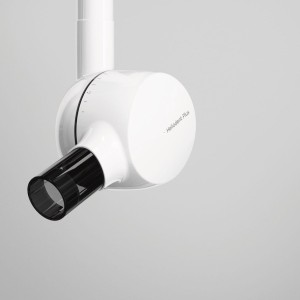
The 100,000-unit milestone reflects decades of clinician trust and the growing importance of connected imaging workflows in modern dentistry.
News 17 November 2026

Two-day clinic at EXPO New Mexico will provide no-cost dental care to New Mexicans on November 6 and 7.
News 17 November 2026
MassMutual South Carolina Welcomes Bluewater Dental Advisors

MassMutual South Carolina in Charleston expands its presence by welcoming Steven Huskey, CExP, CFP, and Brandon Wilson, RICP, to its practice.
Editorials 17 November 2026

Since 1950, the goal of the Indiana University School of Dentistry’s Oral Pathology Group has been to provide the finest in oral and maxillofacial pathology services to the profess
Oral pathology 17 November 2026
This peer-reviewed oral pathology article summarizes clinical evidence from BMC oral health (2023). It focuses on findings that may help dental professionals evaluate treatment decisions, patient...


Copyright © 2026 - All Rights Reserved
ISSN 2767-1178