


Monolithic Zirconia Versus Porcelain-Fused-to-Metal Implant-Supported Fixed Dental Prostheses in the Posterior Region: 3-Year Results of a Randomized Controlled Clinical Trial.
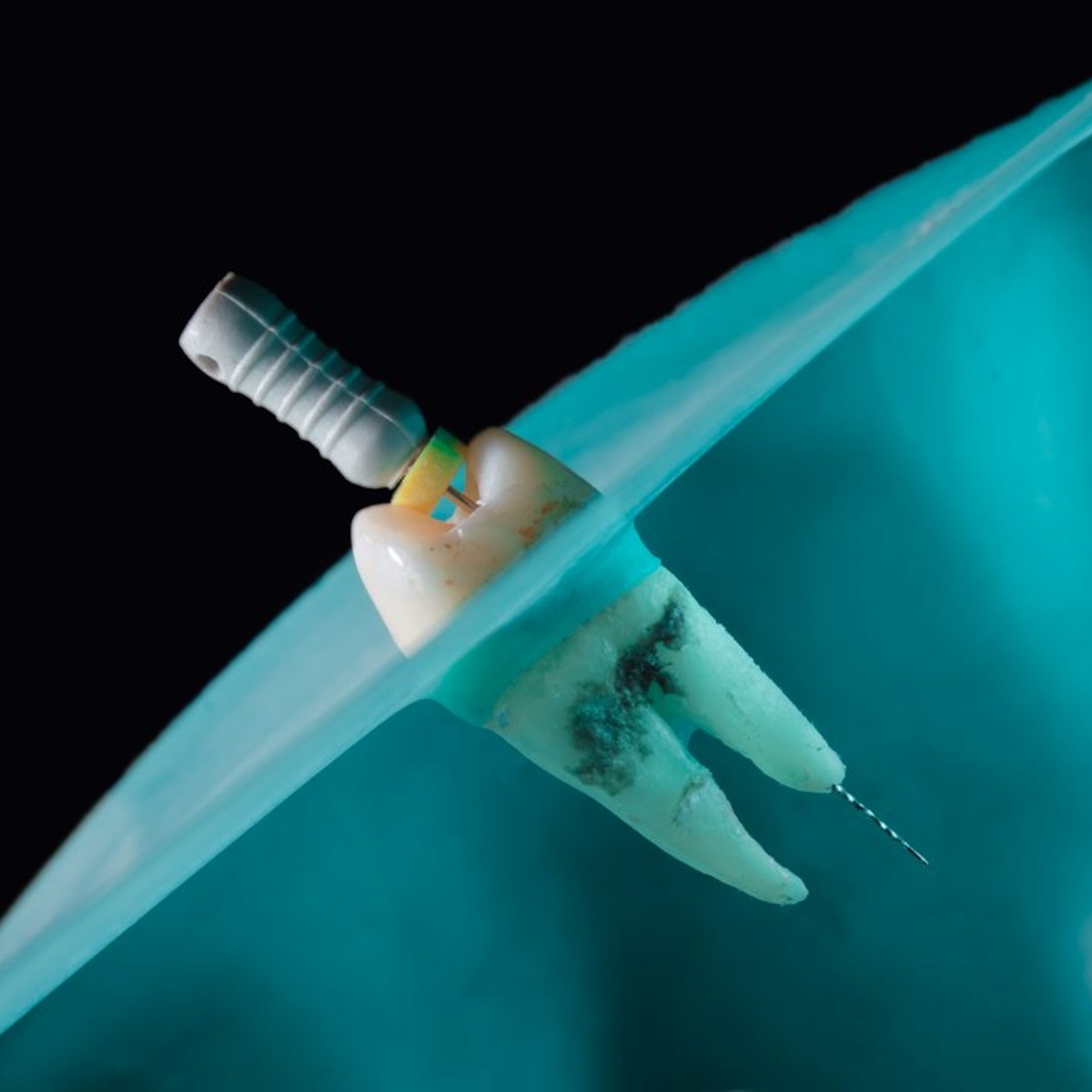
This peer-reviewed implantology article summarizes clinical evidence from Clinical oral implants research (2026). It focuses on findings that may help dental professionals evaluate treatment decisions, patient outcomes, or clinical protocols.
Abstract
OBJECTIVES: To compare the clinical, biological, and technical outcomes of posterior three-unit implant-supported fixed dental prostheses (iFDPs) fabricated from monolithic zirconia (MonoZR) or porcelain-fused-to-metal (PFM).
MATERIALS AND METHODS: In this prospective randomized controlled trial, partially edentulous patients requiring a posterior three-unit iFDP supported by two implants were randomly assigned to MonoZR or PFM iFDPs. The primary outcome was ceramic fracture. Secondary outcomes included prosthesis survival, complication-free survival, marginal bone level (MBL) changes, peri-implant clinical parameters, and USPHS ratings. Follow-up examinations were performed at 1 and 3 years. Statistical analyses included Kaplan-Meier estimates, Fisher's exact test, and linear mixed-effects models (α = 0.05).
RESULTS: Fifty-five patients received iFDPs at baseline (MonoZR: n = 28; PFM: n = 27), and 45 completed the 3-year follow-up. Two prosthesis failures occurred, one in each group, both associated with implant loss, with no difference in survival between groups (p = 1.00). Veneering ceramic chipping occurred only in the PFM group (3/23; 13%) and not in the MonoZR group (0/22) (p = 0.11). Complication-free survival, peri-implant clinical parameters, and MBL changes did not differ significantly between groups (p > 0.05). Plaque index and bleeding on probing increased over time, while probing depth and MBL remained stable. Both groups showed high clinical acceptability according to USPHS criteria.
CONCLUSIONS: Both MonoZR and PFM posterior three-unit iFDPs demonstrated high survival and favorable biological outcomes after 3 years. MonoZR showed no chipping events and may represent a promising alternative to PFM for posterior implant-supported restorations.
TRIAL REGISTRATION: German Clinical Trials Register: DRKS00011039.
Key takeaway
Key takeaway: Because the evidence comes from a clinical trial design, the findings may be especially useful when comparing treatment approaches in daily practice.
Introduction from full text
Implant‐supported single crowns (SC) are a valid treatment option for the replacement of missing teeth with 5‐year survival rates of more than 90%, as reported in previous systematic reviews (Abou‐Ayash et al., 2017 ; Jung et al., 2012 ; Larsson & Wennerberg, 2014 ; Pjetursson et al., 2018 ; Rabel et al., 2018 ). These positive clinical results have resulted in the frequent use of implant‐supported SCs as an alternative to a tooth‐supported multiple‐unit fixed dental prostheses, an approach in line with today's pursuit of tooth conserving procedures.
A more recent factor that could influence the outcomes of the implant‐supported SCs is the material that the crowns are made out of. While in the past metal‐ceramics was predominantly used for the fabrication of the crowns, nowadays, a myriad of all‐ceramic or hybrid‐ceramic materials are available. Metal‐ceramic restorations have dominated the clinical applications and are well documented with high 5‐year SC survival rates of 95.8% (Jung et al., 2012 ). A systematic review by Jung and co‐workers (Jung et al., 2012 ) on the clinical outcomes of implant‐supported SCs reported a high 5‐year SC survival rate of 96.3%. From the included 46 studies, only 4 studies investigated all‐ceramic SCs, corresponding to only 10% of the reviewed patients. The studies reported satisfactory clinical outcomes for metal‐ceramic crowns and high mechanical stability.
The first introduced all‐ceramic materials (i.e., feldspathic ceramic, pressed leucite, and alumina‐reinforced glass‐ceramics) could not compete with the mechanical stability of metal‐ceramics in the high load bearing sites in the dental arch. Their indication was, therefore, limited to the esthetically high‐demanding areas in the beginning. The improvements in digital dental technologies offered alternative pathways to the conventional manufacturing processes, which facilitated the use of larger range of ceramic materials namely high‐strength oxide ceramic (zirconia [ZrO 2 ] and alumina [Al 2 O 3 ]), reinforced glass‐ceramics (lithium disilicate [LiS 2 ] and zirconia‐reinforced lithium silicate [LiSi]), and resin‐matrix‐ceramics (RMC) (resin‐based composites and polymer‐infiltrated ceramic network [PICN]) (Spitznagel et al., 2018 ). As the digital workflows get more efficient and effective (Mühlemann et al., 2018 ), the indications for the all‐ceramic restorations were more and more widened.
High strength zirconia frameworks, veneered with ceramics for esthetic purposes (i.e., veneered zirconia), are a well‐documented all‐ceramic alternative to metal‐ceramics for implant‐supported restorations today Pjetursson et al., 2018 ; Rabel et al., 2018 ). The systematic review by Pjetursson et al. ( 2018 ), comparing veneered zirconia and metal‐ceramic implant‐supported SCs, reported a 97.6% (95% confidence interval (CI): 94.3–99.0) and a 98.3% (95% CI: 96.8–99.1) 5‐year survival rates, respectively, for the two types of SCs. Both, the biological and the technical complication rates of the veneered zirconia and the metal‐ceramic SCs were similar. However, fracture of the veneering layer was the predominant technical problem of both veneered types of restorations (Pjetursson et al., 2018 ).
Another systematic review compared the outcomes of oxide‐ceramic and glass‐ceramic implant‐supported SCs (Rabel et al., 2018 ). The authors reported good overall estimated 5‐year survival rates of the all‐ceramic implant‐supported SCs (93% (95% CI: 86.6%–96.4%)), yet again, high rates of veneering ceramic chipping reaching 9.0% (95% CI: 5.4%–14.8%) over a period of 5 years (Rabel et al., 2018 ).
In order to overcome the technical problems experienced with all types of veneered restorations, more recently, monolithic, that is, un‐veneered, micro‐veneered, or partially veneered, types of restorations were presented (Caramês et al., 2019 ; Cheng et al., 2019 ; Rammelsberg et al., 2020 ). However, a clear distinction between the definitions of monolithic, micro‐veneered, and conventionally veneered designs is lacking. In the present systematic review, micro‐veneered all‐ceramic restorations were defined as minimally veneered (≤0.5 mm) solely in the non‐functional areas, whereas monolithic restorations were considered without any ceramic layer. These monolithic types of restorations may offer two main advantages. Firstly, the increase in the efficiency of the laboratory procedures by enabling a faster fabrication of the restorations (Joda & Brägger, 2014 , 2015 , 2016 ). Secondly, improvement in clinical outcomes by reducing the number of ceramic fractures which persist as one of the predominant problems observed with veneered restorations (Pjetursson et al., 2018 ; Rabel et al., 2018 ). Still, one should keep in mind that the clinical importance of chipping may vary depending on the location and characteristics of the ceramic fractures.
Yet, systematic reviews analyzing the influence of the crown design (monolithic/ micro‐veneered/ veneered) on the survival rates and the technical complication rates of implant‐supported SCs were not able to indicate significant results due to lack of reports on monolithic and micro‐veneered restorations (Pjetursson et al., 2018 ; Rabel et al., 2018 ). Hence, the clinical longevity of those restorations remained to be elucidated. In the meantime, a pronounced amount of short‐term clinical studies on monolithic, micro‐veneered, and veneered all‐ceramic implant restorations has been published.
The aim of the present systematic review, therefore, was to analyses the survival, failure, and the complication rates of monolithic/micro‐veneered, and conventionally veneered of all‐ceramic implant‐supported SCs.
Peer-reviewed source
Aspasia Pachiou, Raphael Singh, Ronald E Jung, Marc Balmer, Goran I Benic, Alexis Ioannidis
Clinical oral implants research. 2026
DOI: 10.11607/ijp.9666
PMID: 42629625
PubMed: https://pubmed.ncbi.nlm.nih.gov/42629625/
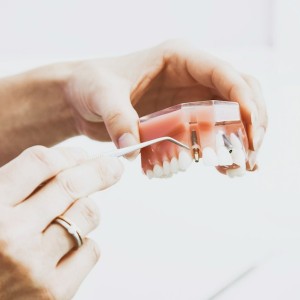
Image: Ozkan Guner (Unsplash)
 Related articles
Implantology 28 October 2026

This peer-reviewed implantology article summarizes clinical evidence from Clinical implant dentistry and related research (2026). It focuses on findings that may help dental professionals evaluate...
Implantology 27 October 2026
This peer-reviewed implantology article summarizes clinical evidence from Clinical implant dentistry and related research (2026). It focuses on findings that may help dental professionals evaluate...
Digital Dentistry 26 October 2026
To report a fully digital and guided immediate-load All-on-4 protocol conducted in Brazil on a 59-year-old male patient with an edentulous maxilla and a history of oropharyngeal cancer surgery,...
Implantology 23 October 2026
This peer-reviewed implantology article summarizes clinical evidence from Clinical oral implants research (2026). It focuses on findings that may help dental professionals evaluate treatment...
Implantology 22 October 2026
This peer-reviewed implantology article summarizes clinical evidence from Clinical oral implants research (2026). It focuses on findings that may help dental professionals evaluate treatment...
Read more
Products 06 November 2026
In First Impressions, George Freedman, DDS, gives readers a brief summary of products that have recently been introduced to dentistry, based on his clinical experience.
News 06 November 2026

Healthcare Technology Veteran to Lead Product, Operations, and Engineering as DentalXChange Accelerates Product-Led Growth
News 06 November 2026
CareCredit Pay Later Launches for Health and Wellness Financing

CareCredit Pay Later is CareCredit’s enhanced installment loan product, which will be presented digitally alongside CareCredit’s revolving credit card to give consumers additional
Editorials 06 November 2026

From groundbreaking research to composting on campus, here are some of our favorite stories from 2022.
Products 05 November 2026



Copyright © 2026 - All Rights Reserved
ISSN 2767-1178