


A randomized phase II study of acyclovir for the prevention of chemotherapy-induced oral mucositis in patients undergoing autologous hematopoietic stem cell transplantation.
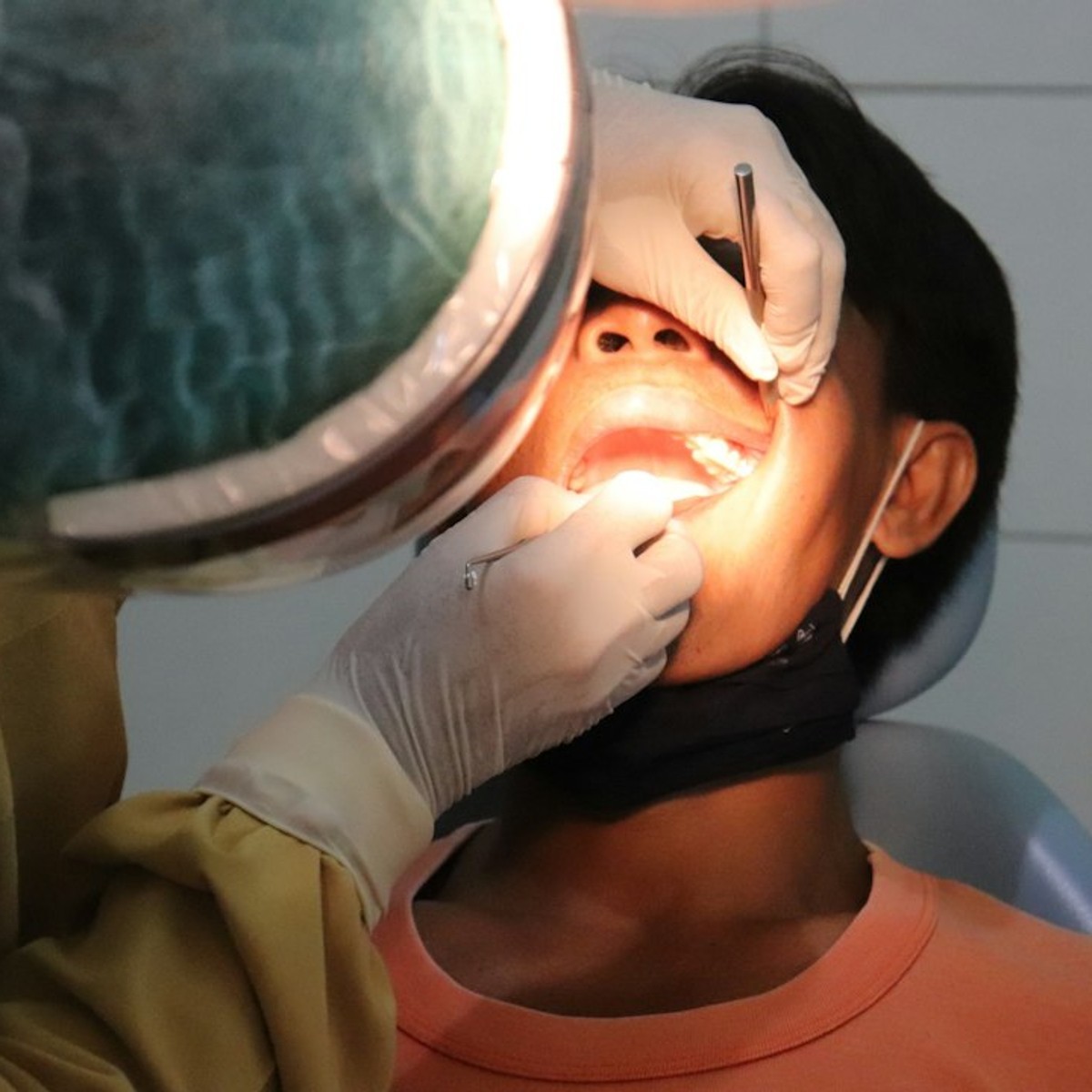
This peer-reviewed oral pathology article summarizes clinical evidence from BMC oral health (2023). It focuses on findings that may help dental professionals evaluate treatment decisions, patient outcomes, or clinical protocols.
Abstract
OBJECTIVES: To prove our hypothesis that acyclovir prophylaxis in autologous hematopoietic stem cell transplantation (AHSCT) recipients with hematologic malignancies (HM) reduces the incidence of chemotherapy-induced oral mucositis (CIOM) by inhibiting the intraoral HSV reactivation during the neutropenic period, we conducted a randomized phase II study of acyclovir for the prevention of CIOM in adult HSV sero-positive AHSCT recipients.
METHODS: Patients were randomized to either the study group (acyclovir 400 mg PO bid until neutrophil engraftment) or the control group (no prophylaxis) and received AHSCT. Oral examination and sampling for HSV were performed at three timepoints of AHSCT.
RESULTS: In 54 patients who were randomized (for intention-to-analysis), the incidence of CIOM was 16.0% (4/25 patients) and 58.6% (17/29 patients) in the study group and the control group, respectively (P = 0.001). In 49 patients who completed the study (for per-protocol analysis), the incidence of CIOM was 13.0% (3/23 patients) and 61.5% (16/26 patients) in the study group and the control group, respectively (P = 0.001). In addition, HSV-1 PCR positivity in the study group was significantly lower than that the control group (4.3% vs. 46.2%, P = 0.001). A strong association between the HSV-1 reactivation status and CIOM was reconfirmed.
CONCLUSIONS: Prophylactic use of oral acyclovir effectively reduced the incidence of CIOM in patients with HM who were undergoing AHSCT.
TRIAL REGISTRATIONS: This trial was registered at the Clinical Research Information Service in the Republic of Korea under the number KCT0003885 (registration date 03/05/2019).
Key takeaway
Key takeaway: Because the evidence comes from a clinical trial design, the findings may be especially useful when comparing treatment approaches in daily practice.
Introduction from full text
Herpesviridae persist — after primary infection usually in childhood or adolescence — lifelong in their hosts and can reactivate in situations of immune deficiency, like malignant diseases. Rates of reactivation depend on several factors such as underlying disease [ 1 , 2 ], disease activity [ 3 ], antineoplastic therapy [ 1 , 2 ], co-medication, comorbid conditions, and age [ 1 ]. Reactivation can lead to localized disease, as stomatitis and genital ulcers in case of herpes simplex virus type 1 (HSV-1) and type 2 (HSV-2) or herpes zoster in case of varicella zoster virus (VZV), but also to viral dissemination, cerebral or visceral disease contributing to significant morbidity and mortality [ 4 , 5 ]. Different strategies to prevent symptomatic reactivation are possible: risk-adapted pharmacological prophylaxis, suppressive therapy (after severe complication or in case of multiple reactivations), and pre-emptive treatment (in asymptomatic patients after virus detection by screening methods) [ 6 ]. Additionally, to prevent herpes zoster vaccination has become available as general prophylaxis and is recommended for adults aged 50 years or older. The European Medicines Agency (EMA) has recently expanded the approval to adults ≥ 18 years who are at increased risk of herpes zoster.
Quantity of data as well as systematic reviews and present guidelines describe risks of herpesvirus reactivation and prophylactic interventions in patients undergoing allogeneic [ 6 , 7 ] or autologous [ 8 ] hematopoietic stem cell transplantation (HSCT). However, systematic analyses and trials of herpesvirus reactivation in patients with solid tumours or hematologic malignancies who are not candidates for HSCT are limited [ 4 ] but increasing, acknowledging the variable risks in the era of new therapeutics. This guideline summarizes current evidence on herpesvirus reactivation in patients with solid tumours and hematologic malignancies not undergoing allogeneic or autologous HSCT or cellular therapy (CAR T cell therapy) and constitutes an update of the guideline of the Infectious Diseases Working Party (AGIHO) of the German Society for Hematology and Medical Oncology (DGHO) of 2015 “Antiviral prophylaxis in patients with solid tumours and hematological malignancies” [ 9 ] focusing on HSV-1, HSV-2, and VZV.
Peer-reviewed source
Junshik Hong, Hee-Kyung Park, Sung-Ho Chang, Ja Min Byun, Dong-Yeop Shin, Youngil Koh, Sung-Soo Yoon, Youngnim Choi et al.
BMC oral health. 2023
DOI: 10.1007/s00277-021-04746-y
PMID: 38102638
PubMed: https://pubmed.ncbi.nlm.nih.gov/38102638/
Image: Mufid Majnun (Unsplash)
 Related articles
Oral pathology 11 November 2026
This peer-reviewed oral pathology article summarizes clinical evidence from BMC oral health (2024). It focuses on findings that may help dental professionals evaluate treatment decisions, patient...
Oral pathology 09 November 2026
This peer-reviewed oral pathology article summarizes clinical evidence from BMC oral health (2025). It focuses on findings that may help dental professionals evaluate treatment decisions, patient...
Oral pathology 03 November 2026
This peer-reviewed oral pathology article summarizes clinical evidence from BMC oral health (2026). It focuses on findings that may help dental professionals evaluate treatment decisions, patient...
Oral pathology 13 October 2026
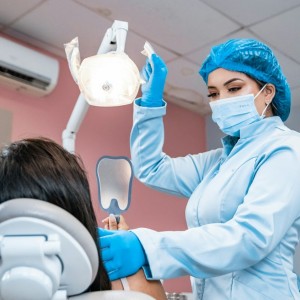
This peer-reviewed oral pathology article summarizes clinical evidence from Oral oncology (2026). It focuses on findings that may help dental professionals evaluate treatment decisions, patient...
Oral pathology 06 October 2026
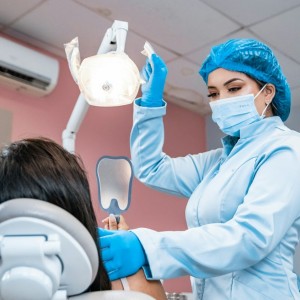
This peer-reviewed oral pathology article summarizes clinical evidence from Oral oncology (2026). It focuses on findings that may help dental professionals evaluate treatment decisions, patient...
Read more
Products 17 November 2026
Dentsply Sirona Manufactures 100,000th Heliodent Plus X-Ray Unit
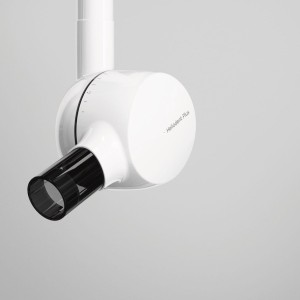
The 100,000-unit milestone reflects decades of clinician trust and the growing importance of connected imaging workflows in modern dentistry.
News 17 November 2026

Two-day clinic at EXPO New Mexico will provide no-cost dental care to New Mexicans on November 6 and 7.
News 17 November 2026
MassMutual South Carolina Welcomes Bluewater Dental Advisors
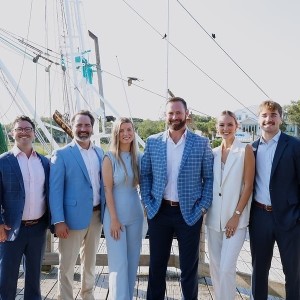
MassMutual South Carolina in Charleston expands its presence by welcoming Steven Huskey, CExP, CFP, and Brandon Wilson, RICP, to its practice.
Editorials 17 November 2026

Since 1950, the goal of the Indiana University School of Dentistry’s Oral Pathology Group has been to provide the finest in oral and maxillofacial pathology services to the profess
Products 16 November 2026
Tom’s of Maine Expands Oral Care Line to Include Hydroxyapatite Toothpaste

Fluoride-free, anti-sensitivity toothpaste formulated with naturally derived calcium carbonate and arginine to provide whitening and sensitivity relief.


Copyright © 2026 - All Rights Reserved
ISSN 2767-1178