


Extent of Implantoplasty in the Combined Surgical Therapy of Peri-Implantitis: A Quasi-Randomized Clinical Trial.
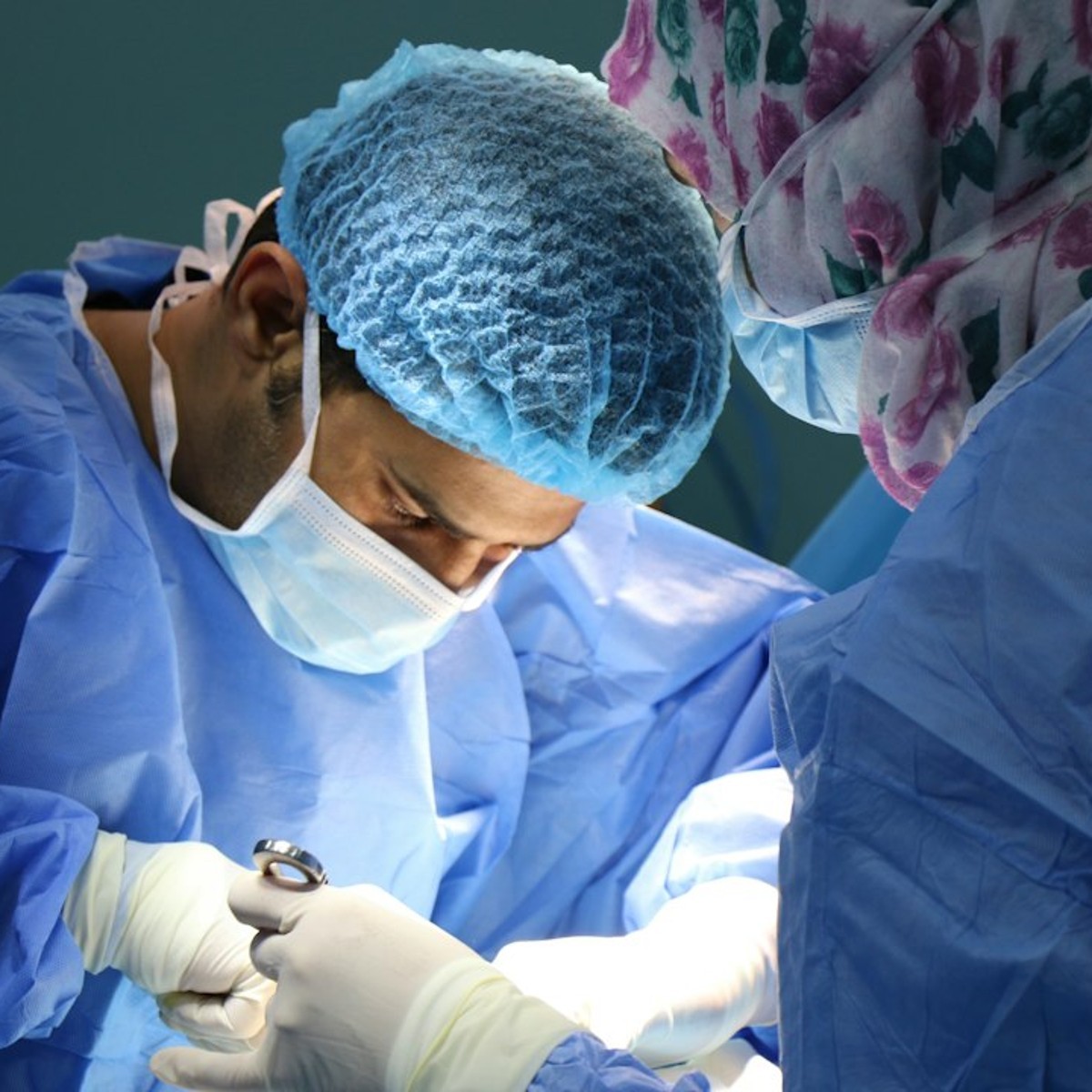
This peer-reviewed implantology article summarizes clinical evidence from Clinical implant dentistry and related research (2026). It focuses on findings that may help dental professionals evaluate treatment decisions, patient outcomes, or clinical protocols.
Abstract
OBJECTIVE: The present study aimed to compare the clinical and radiographic performance of full-length implantoplasty (FLIP) versus partial-length implantoplasty (PLIP) for the supracrestal component as part of combined surgical therapy for peri-implantitis with a ≥ 3 mm depth at the intrabony component.
MATERIALS AND METHODS: A single-center, prospective, randomized, controlled, two-arm comparative study was conducted to evaluate the extent of implantoplasty-limited to the supracrestal component (PLIP) or extending to both supracrestal and intrabony components (FLIP)-in the combined surgical management of peri-implantitis. Clinical and radiographic outcomes were assessed 1 year after surgery. Disease resolution was defined using a composite of clinical and radiographic criteria, although sample size was calculated for pocket depth reduction. Generalized estimating equations were applied to calculate unadjusted and adjusted odds ratios.
RESULTS: A total of 33 patients (N implants = 40) completed the study. All evaluated clinical parameters in both groups showed statistically significant changes over the study period. A significant intergroup difference was observed for modified sulcus bleeding index (mSBI), favoring FLIP (p = 0.003). Marginal recession (MR) was significantly greater in the FLIP group compared with the PLIP group (p = 0.006) and was more pronounced in the posterior mandible (p = 0.002). No other clinical parameters differed significantly between groups. Regarding marginal bone level (MBL) gain, FLIP demonstrated a statistically significant advantage over PLIP in the adjusted model (p = 0.009). For the remaining radiographic variables, significant changes were observed at the 1-year follow-up assessment, but no significant intergroup differences were detected. Overall disease resolution was achieved in 77.5% of cases. The adjusted model showed no statistically significant difference between the tested groups (OR = 14; p = 0.13). Smoking was consistently associated with less favorable clinical and radiographic outcomes. No major postoperative complications were reported.
CONCLUSION: Combined surgical therapy for peri-implantitis, including implantoplasty and regeneration of the intrabony component, is effective in arresting disease progression and restoring peri-implant health. Extending implantoplasty to the contained intrabony compartment appears to provide additional clinical and radiographic benefits. However, this advantage comes at the expense of increased mucosal recession, highlighting the need for careful case selection and patient counseling.
Key takeaway
Key takeaway: Because the evidence comes from a clinical trial design, the findings may be especially useful when comparing treatment approaches in daily practice.
Peer-reviewed source
Alberto Monje, Ramon Pons, Conrado Aparicio, Dennis Tarnow, Paul S Rosen, José Nart
Clinical implant dentistry and related research. 2026
DOI: 10.1002/jbm.b.30512
PMID: 42026938
PubMed: https://pubmed.ncbi.nlm.nih.gov/42026938/
Image: JAFAR AHMED (Unsplash)
 Tag
Related articles
Implantology 27 October 2026
This peer-reviewed implantology article summarizes clinical evidence from Clinical implant dentistry and related research (2026). It focuses on findings that may help dental professionals evaluate...
Digital Dentistry 26 October 2026
To report a fully digital and guided immediate-load All-on-4 protocol conducted in Brazil on a 59-year-old male patient with an edentulous maxilla and a history of oropharyngeal cancer surgery,...
Implantology 23 October 2026
This peer-reviewed implantology article summarizes clinical evidence from Clinical oral implants research (2026). It focuses on findings that may help dental professionals evaluate treatment...
Implantology 22 October 2026
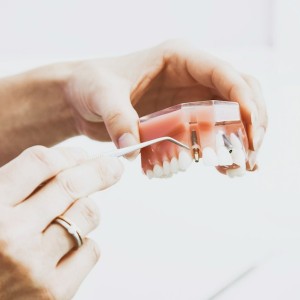
This peer-reviewed implantology article summarizes clinical evidence from Clinical oral implants research (2026). It focuses on findings that may help dental professionals evaluate treatment...
Implantology 16 October 2026
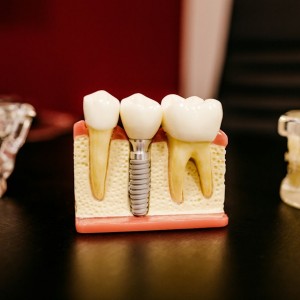
This peer-reviewed implantology article summarizes clinical evidence from Clinical oral implants research (2026). It focuses on findings that may help dental professionals evaluate treatment...
Read more
Products 28 October 2026
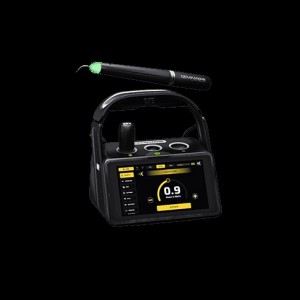
Ultradent Products, Inc.’s latest dental laser is a cordless, dual-wavelength model that allows clinicians to provide soft-tissue procedures while moving freely in the operatory.
News 28 October 2026

Specialty1 Partners (S1P) , the leading doctor-founded, doctor-led specialty dental partnership organization, is embracing the future of healthcare through strategic investments in

Dental marketing company combines traditional SEO performance with emerging AI visibility insights to help practices better understand their digital presence.
Editorials 28 October 2026

The forerunner of what’s now Texas A&M College of Dentistry opened 120 years ago in Dallas with the mission of educating dentists to provide quality care to patients in North Texas
Products 27 October 2026


Copyright © 2026 - All Rights Reserved
ISSN 2767-1178