


A 3-Year Split-Mouth Randomized Non-Inferiority Controlled Trial Comparing Cement-Retained Monolithic CAD-CAM Zirconia and Lithium Disilicate Crowns for Single Posterior Implant Restorations.
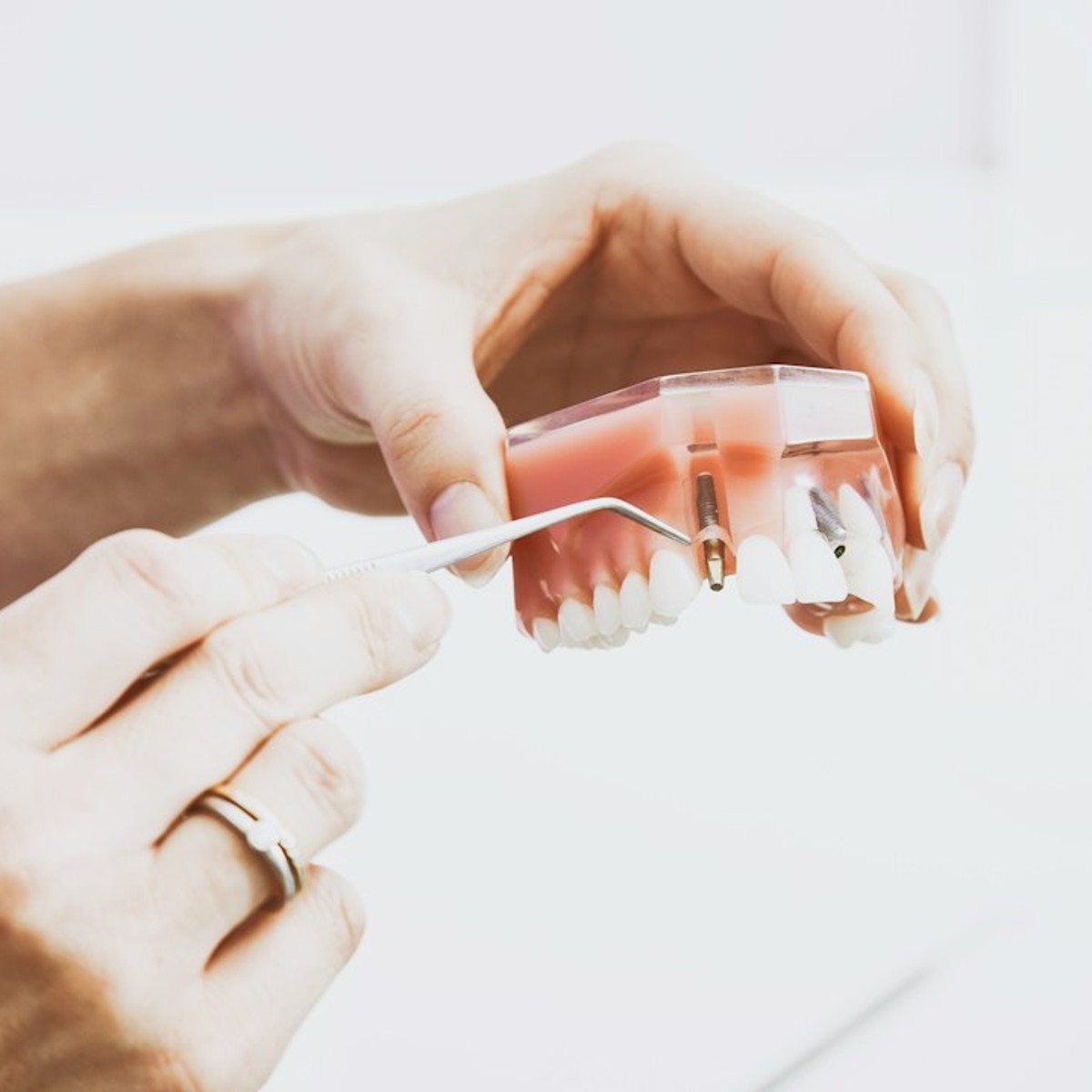
This peer-reviewed implantology article summarizes clinical evidence from Clinical oral implants research (2026). It focuses on findings that may help dental professionals evaluate treatment decisions, patient outcomes, or clinical protocols.
Abstract
OBJECTIVES: To evaluate whether monolithic CAD-CAM lithium disilicate (LS 2 ) crowns are non-inferior to monolithic CAD-CAM zirconia (ZrO 2 ) crowns with respect to clinical and radiographic outcomes in single posterior implant restorations.
MATERIALS AND METHODS: Patients with bilateral single-tooth implants at homologous posterior sites were enrolled. Each implant was randomly assigned to receive either a monolithic CAD-CAM ZrO 2 crown (Control) or a LS 2 crown (Test), both cemented onto customized titanium abutments. Marginal bone level change (ΔMBL) was the primary outcome. Non-inferiority of LS 2 relative to ZrO 2 was evaluated using a prespecified margin of -0.5 mm for the paired difference in ΔMBL (LS 2 -ZrO 2 ). Implant and prosthesis survival, biological and technical complications, periodontal parameters, and FIPS were assessed as secondary outcomes.
RESULTS: A total of 40 patients completed the 3-year follow-up. The survival rates were 97.5% for ZrO 2 and 100% for LS 2 , with one implant loss in the ZrO 2 group. Biological complication rates were 5% for ZrO 2 and 15% for LS 2 (p = 0.219), while technical complication rates were 2.5% and 5% (p = 1.000), respectively. No crown fractures, chipping, or debonding were found in either group. The ΔMBL was -0.62 ± 1.22 mm for ZrO 2 and -0.36 ± 1.07 mm for LS 2 . The paired mean difference in ΔMBL (LS 2 -ZrO 2 ) was 0.26 mm (95% CI: -0.17 to 0.70 mm). The lower confidence limit remained above the prespecified non-inferiority margin of -0.5 mm, demonstrating non-inferiority of LS 2 with respect to ΔMBL. No statistically significant differences were observed in mSBI, mPLI, or FIPS between the two groups (p = 0.106, 0.201, 0.825).
CONCLUSIONS: Monolithic CAD-CAM LS 2 crowns exhibit non-inferior clinical and radiographic outcomes to ZrO 2 crowns over a 3-year follow-up period. Customized titanium abutments with cemented monolithic all-ceramic crowns represent a reliable treatment option for single posterior implant-supported restorations in the medium term.
TRIAL REGISTRATION: Chinese Clinical Trial Registry (chictr.org.cn): ChiCTR2200062023.
Key takeaway
Key takeaway: Because the evidence comes from a clinical trial design, the findings may be especially useful when comparing treatment approaches in daily practice.
Introduction from full text
The introduction of the new generation of particle-filled and high strength ceramics, hybrid composites and technopolymers in the last decade has offered an extensive palette of dental materials broadening the clinical indications in fixed prosthodontics, in the light of minimally invasive dentistry dictates. Moreover, last years have seen a dramatic increase in the patients’ demand for non-metallic materials, sometimes induced by metal-phobia or alleged allergies. Therefore, the attention of scientific research has been progressively focusing on such materials, particularly on lithium disilicate and zirconia, in order to shed light on properties, indications and limitations of the new protagonists of the prosthetic scene.
Peer-reviewed source
Xiaosong Yi, Donghao Wei, Shuman Quan, Yingjie Kong, Xi Huang, Xi Jiang, Ye Lin, Ping Di
Clinical oral implants research. 2026
DOI: 10.1111/clr.14151
PMID: 42387309
PubMed: https://pubmed.ncbi.nlm.nih.gov/42387309/
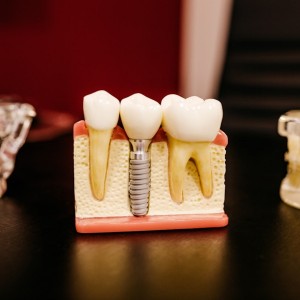
Image: Peter Kasprzyk (Unsplash)
 Related articles
Implantology 16 October 2026
This peer-reviewed implantology article summarizes clinical evidence from Clinical oral implants research (2026). It focuses on findings that may help dental professionals evaluate treatment...
Implantology 04 September 2026
This peer-reviewed implantology article summarizes clinical evidence from Clinical oral implants research (2026). It focuses on findings that may help dental professionals evaluate treatment...
Implantology 20 August 2026
This peer-reviewed implantology article summarizes clinical evidence from Clinical oral implants research (2026). It focuses on findings that may help dental professionals evaluate treatment...
Implantology 06 August 2026
This peer-reviewed implantology article summarizes clinical evidence from Clinical oral implants research (2026). It focuses on findings that may help dental professionals evaluate treatment...
Implantology 24 July 2026
This peer-reviewed implantology article summarizes clinical evidence from Clinical oral implants research (2026). It focuses on findings that may help dental professionals evaluate treatment...
Read more
Products 22 October 2026

News 22 October 2026

Royal Philips (NYSE: PHG, AEX: PHIA), a global leader in oral healthcare, today announced the formation of the Philips Sonicare Global Clinical Advisory Board, a group of external
News 22 October 2026
Opalescence Launches Limited-Edition Teeth Whitening Flavors

Opalescence whitening , the #1-selling professional teeth whitening brand, is introducing two limited-edition flavors, available only while supplies last: Pumpkin Spice and Birthda
Editorials 22 October 2026
2025 in Review: Highlights from the CU Anschutz School of Dental Medicine
From collaborative research to exceptional patient care and education , 2025 was a year of innovation and impact at the University of Colorado Anschutz School of Dental Medicine.
Products 21 October 2026
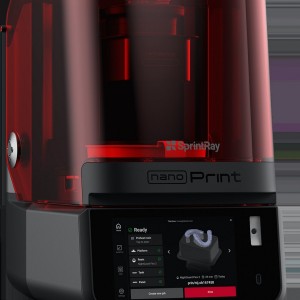
Foundation and ScanOS bring scanning into the SprintRay workflow; Nano Series introduces compact chairside printing, washing, and curing; GC partnership expands validated restorati



Copyright © 2026 - All Rights Reserved
ISSN 2767-1178