


Current status of zirconia implants in dentistry: preclinical tests

Purpose
This systematic review aimed to provide an overview of zirconia implants as well as regarding the outcome of the implant-restorative complex in preclinical studies.
Study selection
An electronic search of the literature prior to July 2017 was performed to identify all articles related to preclinical research on zirconia implants. The search was conducted using MEDLINE (National Library of Medicine) and PubMed without restrictions concerning the date of publication. The search terminology included: zirconia implant, osseointegration, bone-to-implant contact, soft tissue, histology, histomorphometry, surface modification, surface roughness, surface characteristics, and restoration (connecting multiple keywords with AND, OR).
Results
Fifty-seven studies were finally selected from an initial yield of 654 titles, and the data were extracted. The identified preclinical studies focused on several aspects related to zirconia implants, namely biocompatibility, mechanical properties, implant design, osseointegration capacity, soft tissue response, and restorative options. Due to heterogeneity of the studies, a meta-analysis was not possible. The most frequently used zirconia material for the fabrication of implants is yttria-stabilized tetragonal zirconia polycrystal. The resistance-to-fracture for zirconia implants ranged between 516–2044 N. The mostly investigated parameter was osseointegration, which is compared to that of titanium. A lack of evidence was found with other parameters.
Conclusions
Due to its good biocompatibility as well as favorable physical and mechanical properties, zirconia implants are a potential alternative to titanium implants. However, knowledge regarding the implant-restorative complex and related aspects is still immature to recommend its application for daily practice.
Authors: Hironobu Nishihara, Mireia Haro Adanez, Wael Att
Source: https://www.jstage.jst.go.jp/
 Related articles
Products 30 September 2026
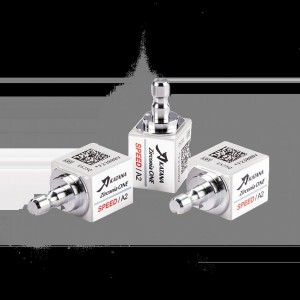
New workflow capability helps clinicians further accelerate same-day zirconia restorations
Editorials 27 September 2026
Dentistry33 survey highlights replacement care, deep caries and evolving restorative workflows
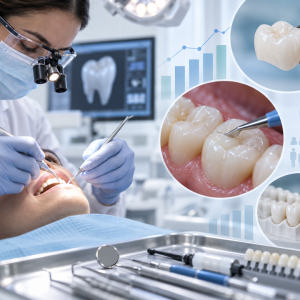
Reader survey finds direct composites remain dominant, secondary caries is the leading reason for restoration replacement, and clinicians want more training in pulp preservation
Reader survey finds direct composites remain dominant, secondary caries is the leading reason for restoration replacement, and clinicians want more training in pulp preservation
Products 24 July 2026
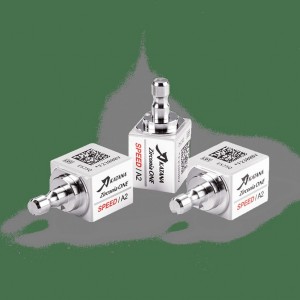
Expanded shade range supports fast, esthetic chairside zirconia restorations with 9-minute sintering when used with CEREC ® SpeedFire
Products 07 July 2026
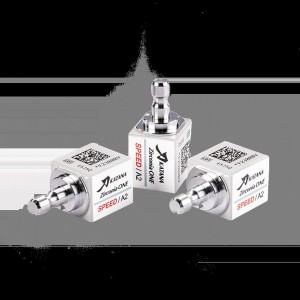
Expanded shade range supports fast, esthetic chairside zirconia restorations with 9-minute sintering when used with CEREC ® SpeedFire
News 24 February 2026
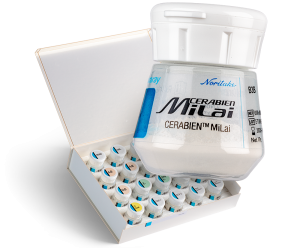
Low-Fusing Porcelain System Delivers Predictable Esthetics with Streamlined Micro-Layering
Read more
Products 13 October 2026


New Resources Help Dental Exhibitors Evaluate Their Investment and Explore the Personify ShowFlow™ Trade Show Success System
News 13 October 2026

New patient apps extend The Aspen Group’s mission to remove barriers to care, giving patients greater visibility, convenience, and control from booking through treatment
Editorials 13 October 2026

The forerunner of what’s now Texas A&M College of Dentistry opened 120 years ago in Dallas with the mission of educating dentists to provide quality care to patients in North Texas
Oral pathology 13 October 2026
This peer-reviewed oral pathology article summarizes clinical evidence from Oral oncology (2026). It focuses on findings that may help dental professionals evaluate treatment decisions, patient...


Copyright © 2026 - All Rights Reserved
ISSN 2767-1178