


Dentistry33 survey highlights replacement care, deep caries and evolving restorative workflows
Reader survey finds direct composites remain dominant, secondary caries is the leading reason for restoration replacement, and clinicians want more training in pulp preservation
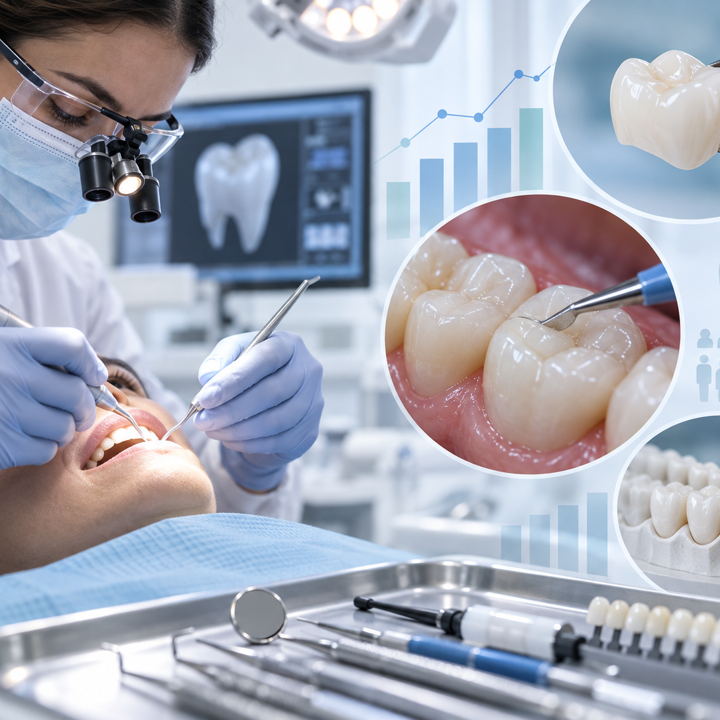
Replacement of existing restorations, primary caries and fractured teeth are among the restorative problems most frequently encountered by respondents to a new Dentistry33 reader survey examining clinical cases, materials, treatment decisions and digital workflows.
Among 39 respondents, 25 selected replacement of existing restorations as one of the cases they encounter most frequently. Primary dental caries was selected by 23 respondents, fractured or chipped teeth by 19, and tooth wear, erosion or abrasion by 16.
Direct composite remains central to restorative practice
Direct composite restorations emerged as the most frequently performed restorative treatment.
Of 37 respondents, 28 selected direct composite restorations, followed by crowns with 22 respondents and implant-supported restorations with 12. Veneers, fixed dental bridges and inlays or onlays were selected less frequently.
The material findings reinforced the importance of composite-based restorative care.
For direct posterior restorations, 57.1% of respondents selected conventional composite resin as the material they use most frequently. Amalgam remained the second most frequently reported option at 22.9%, followed by bulk-fill composite at 8.6%.
For indirect posterior restorations, zirconia was the leading material preference at 48.6%, followed by metal-ceramic at 17.1% and composite or hybrid ceramic at 14.3%. No respondent selected lithium disilicate in this survey.
Secondary caries leads reasons for restoration replacement
More than half of respondents to the restoration-replacement question identified secondary caries as the most common reason for replacing an existing restoration.
Secondary caries accounted for 52.8% of responses, followed by restoration fracture or wear at 19.4% and patient discomfort or sensitivity at 11.1%. Tooth fracture, marginal discoloration and poor esthetics were each selected by 2.8% of respondents.
When choosing between direct and indirect treatment, clinicians placed the greatest emphasis on the amount of remaining tooth structure, selected by 24 of 34 respondents. Size of the defect was selected by 20 respondents and functional and occlusal demands by 18.
The findings suggest that structural and functional considerations remain more influential in restorative decision-making than factors such as patient budget or expected longevity.
Deep caries remains a major clinical challenge
Deep caries management emerged as the most frequently selected clinical challenge.
Among 34 respondents, 18 selected managing deep caries, while 16 identified reproducing proximal contacts and 13 selected obtaining strong and predictable adhesion. Reliable isolation, patient acceptance of treatment plans and management of occlusion were also frequently reported concerns.
Responses also showed considerable variation in how clinicians approach deep lesions.
Twenty respondents said their approach varies depending on the individual case, 19 selected complete caries removal and 15 selected indirect pulp treatment. Selective caries removal was chosen by nine respondents, direct pulp capping by eight and referral for endodontic treatment by five.
This variability was reflected in respondents' educational priorities.
Deep caries management and pulp preservation was the most frequently selected area in which clinicians wanted to improve their knowledge or skills, chosen by 15 of 32 respondents. Direct anterior restorations followed with 12 selections, while digital restorative workflows and management of tooth wear each received 11.
Digital adoption remains uneven
Digital technologies are having an increasing impact on restorative dentistry, but adoption among respondents was far from universal.
Intraoral scanning was the most frequently selected digital technology, chosen by 17 of 33 respondents. However, 12 respondents reported that they do not currently use digital restorative technologies.
Other technologies—including chairside CAD/CAM, 3D printing, digital photography and shade analysis, digital smile design and artificial intelligence-assisted diagnosis—were selected much less frequently.
The results suggest a restorative landscape in which intraoral scanning has established a meaningful role while other digital technologies remain more selectively adopted.
Private practice dominates the respondent group
The survey population consisted predominantly of private practitioners.
Among 32 respondents answering the practice-setting question, 53.1% worked in solo private practice and 21.9% in group private practice. Smaller proportions reported working in dental service organizations, academic or university clinics, and hospital or public healthcare settings.
Overall, the survey portrays restorative dentistry as a field in which established clinical problems remain highly relevant despite advances in materials and digital technology.
Direct composite continues to play a central role in everyday treatment, while recurrent disease, management of compromised tooth structure and deep caries remain important sources of clinical complexity.
The overlap between deep caries as a treatment challenge and pulp preservation as an educational priority may be particularly significant, highlighting an area where clinicians continue to seek greater predictability and additional training.
This Dentistry33 reader survey represents a snapshot of participating clinicians and should not be interpreted as a representative scientific sample of the dental profession.
 Tag
Tag
Related articles
Restorative dentistry 17 April 2026
Patient Perceptions of New Robotic Technologies in Clinical Restorative Dentistry
Patient perception research has failed to focus on burgeoning technology within the dental field.
Prosthodontics 16 April 2026
The use of orthodontics before fixed prosthodontics in restorative dentistry
For a variety of reasons, orthodontic intervention is often overlooked as a viable modality to correct occlusal, axial, rotational, and space discrepancies before undertaking fixed prosthetic...
Digital Dentistry 16 February 2026
An original procedure for the ovoid pontic technique in ortho-restorative cases

In the multidisciplinary treatments, especially in case of missing teeth in aesthetic area, the compliance of patient during retention time post orthodontic therapy is evidently very high, even among...
Restorative dentistry 29 January 2026
Current trends in restorative dentistry in the UK: a Delphi approach
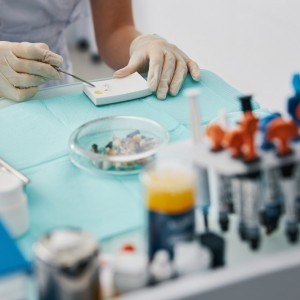
The purpose of the study was to obtain insight into current trends in restorative dentistry in the UK by means of a Delphi technique.
Read more
Europe 27 September 2026 - 30 November -0001
Digital Dentistry Society Global Congress 2026: Event Preview and Professional Highlights

The Digital Dentistry Society Global Congress 2026 will take place from October 22, 2026 to October 24, 2026 in TBD, Rotating Europe, offering dental professionals a focused environment for...
Edra Professional Books 26 September 2026
Manual of oral surgery: A Practical Reference for Dental Professionals
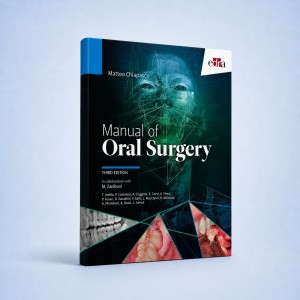
Manual of oral surgery is an Edra professional dentistry reference focused on clinical practice, education and treatment planning.
Products 25 September 2026
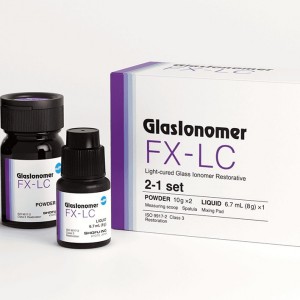
Shofu Dental’s line of dental restorative materials now includes FX-LC, a next-generation, light-cure, resin-reinforced glass ionomer formulated to deliver high strength, efficient 4
News 25 September 2026

The scholarships are part of an ongoing workforce solutions strategy to help address the need for skilled dental hygienists
News 25 September 2026

Michael Riccobene celebrates teamwork, community and more than 25 years of growth as one of sports’ most iconic trophies makes a special stop in Garner.



Copyright © 2026 - All Rights Reserved
ISSN 2767-1178