


Complications and survival rates of implants from 9 to 15 years follow-up
Lara Figini

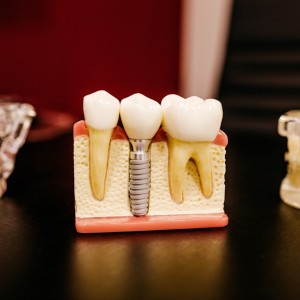
Dental implantology is currently a routine therapy performed on young patients but also on older patients, with or without systemic diseases. Despite the fact that dental implant therapy has been performed for many years and a large number of studies have been produced annually, only a few studies with a follow‐up period of greater than 10 years describing the occurrence of all complications have been published.
Materials and Methods
In a retrospective study, published on Journal of Oral Rehabilitation, January 2020 , the authors assessed the long-term results (9-15 years) of implant therapy. They assessed survival and complication rates. Patients (n = 376) treated with dental implants (n = 1095) between 1999 and 2005 at a specialist clinic in Stockholm, Sweden, were included. Longitudinal data were collected retrospectively from digital dental records. A subset of the included patient underwent a clinical examination at the 9‐15 years follow‐up (n = 163). Chisquare tests, Kaplan‐Meier analyses and the general estimating equations (GEE) procedure were adopted for multilevel analyses.
Results
The cumulative implant survival rate up to 15 years was 82.6%. The prevalences of biological and technical complications at patient level were 52% and 32%, respectively. In total, 763 complications occurred, 65% of patients experienced at least one complications. Implant loss occurred significantly more frequently in subjects with a history of treated severe periodontitis Stage III‐IV and in cases when complications were registered during implant surgery. Smoking was a significant risk indicator for peri-implantitis.
Conclusions
From the data of this retrospective study, which must be confirmed in other similar studies, it can be concluded that the loss of implants (with follow-up at 9-15 years) is significantly more frequent in patients with a history of severe periodontitis and if a complication was occurred during implant surgery. Smoking represents a significant risk indicator for peri-implantitis.
Clinical implications
Awareness of the risks and complications of long-distance implantology is essential for both patients and professionals, as well as for health planning.
For additional information: Survival and complications: A 9- to 15-year retrospective follow-up of dental implant therapy.
Italian version: http://www.odontoiatria33.it/implantologia/18793/sopravvivenza-e-complicanze-dell-implantologia-a-15-anni.html
 Related articles
Implantology 04 September 2026
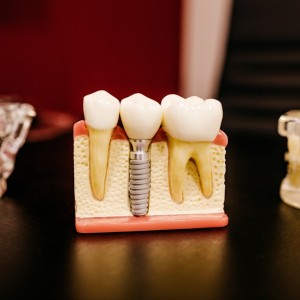
This peer-reviewed implantology article summarizes clinical evidence from Clinical oral implants research (2026). It focuses on findings that may help dental professionals evaluate treatment...
Implantology 20 August 2026
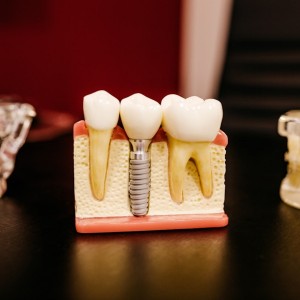
This peer-reviewed implantology article summarizes clinical evidence from Clinical oral implants research (2026). It focuses on findings that may help dental professionals evaluate treatment...
Implantology 06 August 2026
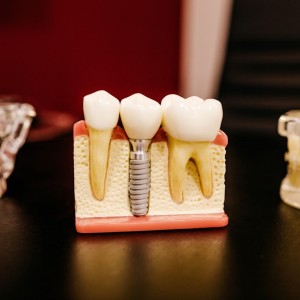
This peer-reviewed implantology article summarizes clinical evidence from Clinical oral implants research (2026). It focuses on findings that may help dental professionals evaluate treatment...
Implantology 24 July 2026
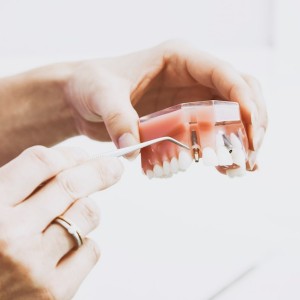
This peer-reviewed implantology article summarizes clinical evidence from Clinical oral implants research (2026). It focuses on findings that may help dental professionals evaluate treatment...
Implantology 10 July 2026
This peer-reviewed implantology article summarizes clinical evidence from Clinical oral implants research (2026). It focuses on findings that may help dental professionals evaluate treatment...
Read more

Jen Kim Field, chief sustainability officer at Henry Schein and president of the Henry Schein Cares Foundation, answers questions for Dentistry Today about the group’s achievements
News 12 October 2026
The education-first program offered learning for the entire dental practice, with practical insights spanning the full patient journey and focused on improving workflows, collabora
News 12 October 2026
AAO and Stand for the Silent Unite Communities This Month to Shine a Light on Bullying Prevention
Editorials 12 October 2026
Expanded coverage: Texas A&M’s Plemons named 2026 Texas Dentist of the Year

Sometimes a small act of generosity can make a tremendous impression, especially on a 7-year-old.
Endodontics 12 October 2026
This peer-reviewed endodontics article summarizes clinical evidence from Journal of dentistry (2026). It focuses on findings that may help dental professionals evaluate treatment decisions, patient...



Copyright © 2026 - All Rights Reserved
ISSN 2767-1178